
Last updated November 4, 2026
 Sweep & inspection
 Caps & crowns
 Flue relining
 Masonry repair
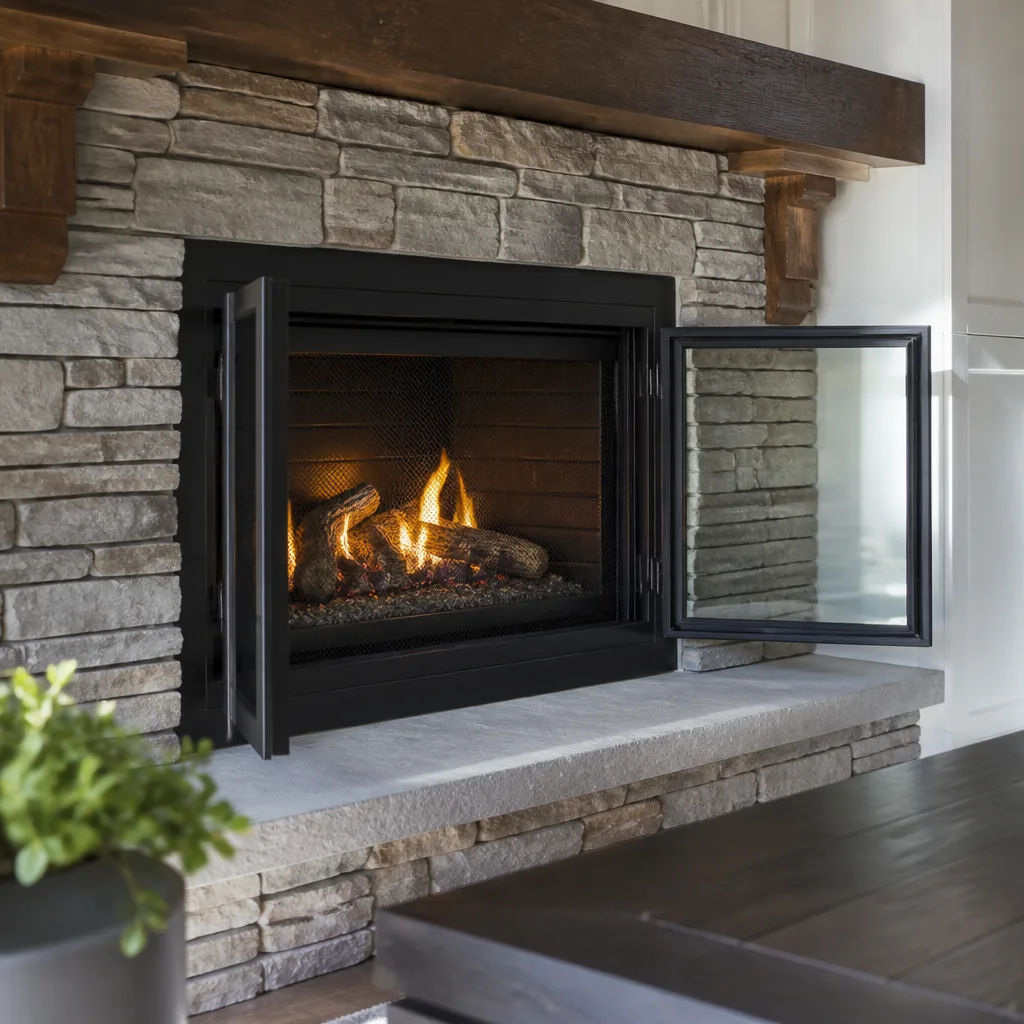 Gas fireplace service
Level 1 sweep and inspection to the NFPA 211 annual standard - flue, crown, cap, and flashing checked and photographed
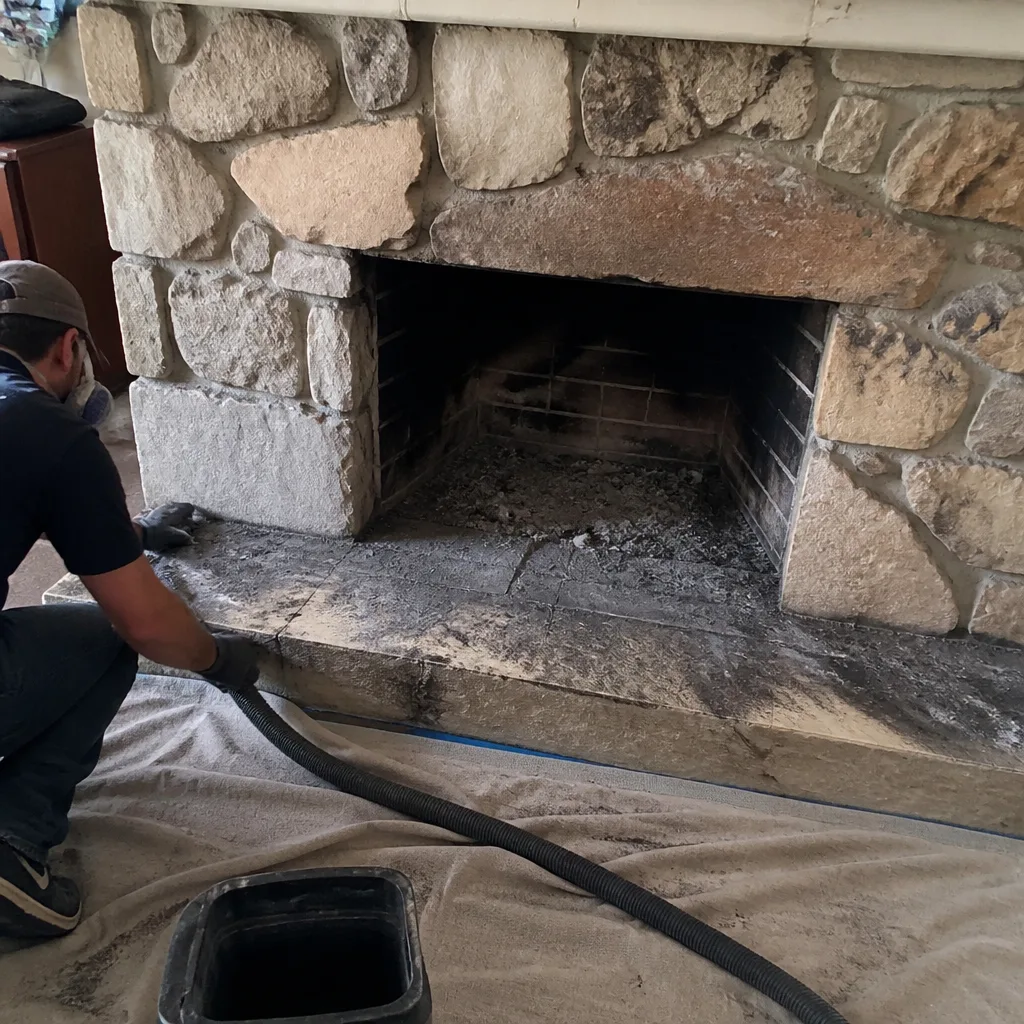
Chimney sweep logs do not sweep chimneys. They loosen some creosote - which then falls where a brush and vacuum still have to collect it.
Seasonal Chimney Cleaning Care for Hollywood Hills: Year-Round Homeowner’s Guide
Telling a Hollywood Hills homeowner to schedule a sweep every fall makes about as much sense as telling them to winterize their pipes. The seasons here don’t match the advice, so the care calendar shouldn’t either. Hollywood Hills doesn’t have four seasons in the traditional sense. It has a fire season, a rain season, a dry wind season, and a low-use shoulder period, and each one does something different to a chimney. This guide replaces standard spring and fall advice with a care calendar mapped to what actually happens to hillside flues in Southern California, so you’ll know exactly when to look, what to look for, and which checks you can safely combine.
Styles & brands we work with
- Sweep & inspection
- Caps & crowns
- Flue relining
- Masonry repair
- Gas fireplace service
Quick Answer
Seasonal chimney care in Hollywood Hills should follow the local climate, not a generic national calendar. The critical window is August through September, before Santa Ana winds and the cozy-season rush arrive, with a secondary moisture check during the December-to-March rain months, a post-rain assessment in March or April, and a simple airflow check in summer when the fireplace sits unused. A chimney sweep that includes a camera inspection during the pre-fire-season visit is the single most useful appointment a Hollywood Hills homeowner can book all year.
Table of Contents
- The Pre-Fire-Season Window: August to September
- Rain-Season Monitoring: December to March
- Post-Rain Assessment: March to April
- The Low-Use Summer Period: Why an Unused Chimney Still Needs Checking
- Stacking Seasonal Checks: Two Useful Tasks in One Visit
- Hollywood Hills Specifics: Terrain, Wind, and Older Flues
- Common Mistakes to Avoid
- When to Call a Professional
- Frequently Asked Questions
- The Bottom Line
The Pre-Fire-Season Window: August to September
In Hollywood Hills, the most important chimney appointment on the calendar is the one most national guides don’t tell you to make. August and September are the months when we should be thinking about fireplaces, because the Santa Ana winds are coming, and with them the first real urge to light a fire. By October, every chimney company in Los Angeles is booked solid. The homeowner who calls in November is the one waiting three weeks while the firebox sits cold.
What happens to a chimney when it sits unused through the summer? Plenty. Debris accumulates. Birds scout for nesting spots in uncapped flues. Creosote from last season’s fires has had months to harden and cure, which actually makes it more stubborn to remove than fresh buildup. A chimney that was marginally safe in March can be genuinely hazardous by October, not because anything changed dramatically, but because small problems compound quietly.
Here is the pre-fire-season checklist we recommend for every Hollywood Hills homeowner:
- Book the annual sweep and inspection. The National Fire Protection Association standard, which is the one every credible chimney professional works to, is an annual inspection and cleaning as needed. In a mild climate where fires are seasonal, one thorough sweep per year is the baseline.
- Get the camera inspection. A visual check from the firebox only shows so much. A camera run through the flue shows liner cracks, hidden creosote, and mortar joint deterioration before they become a chimney fire or a carbon monoxide leak. We have seen flues that looked fine from below and were badly compromised eight feet up.
- Confirm the damper opens and closes fully. A damper that will not seal properly is a heat-loss problem and an animal-entry point.
- Check the cap and spark arrestor. In a dry climate, a working spark arrestor is not a nice-to-have. Embers are the whole point of the thing.
- Clear vegetation near the chimney top. Hillside properties in Hollywood Hills often have tree branches that grow toward the flue over the summer. A limb rubbing the cap or dropping leaves into the flue is avoidable.
The goal of the pre-fire-season visit is simple: when the first cool evening arrives and you want a fire, the chimney should be ready. The people who do this well get the sweep done in September and forget about it until spring.
Rain-Season Monitoring: December to March
Hollywood Hills rain comes in concentrated bursts. The area gets most of its annual rainfall in a handful of storm events between December and March, often with weeks of dry weather in between. That pattern matters for chimneys because the damage is not from constant dampness. It is from the cycle of wetting and drying, over and over, on masonry that was built decades ago.
During the rainy months, the most useful thing a homeowner can do is a simple visual check of the firebox after each significant storm. Here is what to look for:
- Water marks or dark staining inside the firebox. This suggests water is entering from above and running down the flue walls.
- A damp smell that gets stronger when the air is humid. That is often the first sign of moisture intrusion, and it shows up in the living room before any visible damage does.
- Efflorescence on the exterior chimney. That white, chalky deposit on the brick or stone is mineral salts left behind when water moves through masonry and evaporates. It means water is getting in.
- Crumbling mortar joints or pieces of brick on the hearth. Wet-dry cycling weakens mortar over time, and in a hillside chimney built into an older home, that mortar may already be past its service life.
- Visible drips or water pooling on the smoke shelf. If you can shine a flashlight up and see water, do not wait. Moisture sitting on the smoke shelf will cause rust and deterioration on the damper and surrounding metal components.
We do not recommend waiting for visible damage before acting on moisture. By the time mortar is crumbling into the fireplace, the water has been working on the flue liner for a while. A moisture check during the rain season, even a simple one from the homeowner’s side, often catches the problem at the staining stage rather than the structural stage.
Post-Rain Assessment: March to April
Once the rain stops, usually in March or April, the chimney has been through a full wet season. That is when the damage patterns from months of wet-dry cycling become visible, and it is the second time of year when a professional assessment makes real sense in Hollywood Hills.
The post-rain assessment is different from the pre-fire-season sweep because it focuses on what the rain did. A technician will look for:
- Deterioration at the crown, the concrete slab that caps the masonry. The crown takes direct rainfall and is the most common entry point for water into a chimney system. Small cracks widen under repeated wetting and drying.
- Mortar joint erosion at the top courses of brick. The top of the chimney sees the most weather exposure. Joints there fail first.
- Flue liner surface changes. Clay liners can crack or spall when moisture inside them heats and cools. A camera inspection after a wet season shows what the rain season did to the inside, not just the outside.
- Rust on the damper assembly and firebox components. Moisture that entered during rain events often sits on metal parts for weeks before evaporating.
- Chimney cap damage from wind-driven rain. The cap is designed to shed water, but in a hillside wind exposure, it takes a beating over a wet season.
The post-rain assessment might reveal nothing beyond normal wear. In that case, the homeowner knows the chimney survived the season and the next appointment is the pre-fire-season sweep in late summer. But when it reveals crown cracks or liner damage, the spring is the right time to fix them, while the weather is mild and before the fall rush. Materials like the crown repair products and replacement caps from Hollywood Hills suppliers we use, including Gelco and Famco components, are available year-round, but the skilled labor to install them is hardest to book in October and November.
The Low-Use Summer Period: Why an Unused Chimney Still Needs Checking
A fireplace that sits idle from May through September is not doing nothing. It is collecting whatever the environment puts into it, and in Hollywood Hills, the environment is active. Birds and small animals are the most common issue. An uncapped flue in a hillside canyon is an open invitation, and nesting activity peaks in spring and early summer.
The summer check does not need to be complicated. Walk outside and look at the chimney cap. Is it still there? Is it intact? Cap damage from wind or tree branches is a common summer finding. Without a cap, the flue is exposed to bird nesting, debris accumulation, and rain when the winter season returns. A missing or damaged cap is a cheap fix relative to what happens without one.
Inside, the summer check is about airflow. Chimneys need to breathe. A flue that is sealed up tight with a closed damper all summer will develop musty odors, and any moisture trapped inside will sit on metal components and accelerate rust. We recommend leaving the damper slightly open during dry weeks to allow a small amount of airflow through the system. The tradeoff is minor heat loss in summer, which matters little in a Hollywood Hills summer anyway.
Summer is also the time to check the clothes dryer vent, which is a fire hazard that has nothing to do with the fireplace. Dryer vent cleaning in the low-use season makes sense because the dryer works year-round, and the lint that builds up in the vent duct is combustible. In our experience, the homeowner who thinks to check the dryer vent in July is the same one who does not need an emergency chimney repair in January.
Stacking Seasonal Checks: Two Useful Tasks in One Visit
The hidden cost of seasonal chimney care is not the sweep itself. It is the multiple trips and multiple visits that add up. A smart Hollywood Hills homeowner can consolidate the annual calendar into two professional visits per year, not four. Here is how to stack the checks.
Visit One: Pre-Fire-Season, August to September
- Annual chimney sweep and full inspection, including camera run.
- Cap and spark arrestor check, with replacement if needed.
- Damper operation test.
- If you use the fireplace regularly each winter, this is also the right time to discuss liner condition, especially on an older hillside home where the original clay liner is likely past its expected service life.
That single visit covers the pre-fire-season window and the annual NFPA baseline. It gets the chimney ready for the entire burn season.
Visit Two: Post-Rain, March to April
- Moisture assessment of the crown, mortar joints, and interior flue surface after the rainy season.
- Structural review of the upper chimney, where the weather hits hardest.
- If the home has a gas appliance vented through the chimney, this is the time to check the vent connector and termination, particularly after a wet winter.
- Dryer vent cleaning, if it was not done in the fall. Stacking the dryer vent into the spring visit combines two home fire-safety tasks into one trip.
Between those two visits, the homeowner does simple visual checks after rainstorms and in the summer, and phones us only if something changes. The result is year-round chimney safety with two planned appointments and no emergency calls.
Hollywood Hills Specifics: Terrain, Wind, and Older Flues
Chimney care in Hollywood Hills is not the same as chimney care in a flat inland neighborhood. The terrain matters. Many homes here sit on slopes, so chimneys are taller than average to clear the roofline, and they are more exposed to wind than a chimney in a protected low-lying area. Wind exposure matters because it changes how the draft behaves and how much weather the masonry takes.
The Santa Ana winds deserve their own mention. These are not gentle breezes. They are strong, dry, and sustained, and they drive embers in ways that a calm evening fire never does. A chimney with a compromised spark arrestor or a cap with holes in the mesh is a real hazard during a Santa Ana event. The dry vegetation on hillside lots and the open canyons around Carlton Chimney Sweep service calls make the spark arrestor a critical piece of equipment, not an accessory.
Housing age is also a factor. A large portion of the Hollywood Hills housing stock dates to the mid-20th century, and many of those chimneys are running original clay liners. Clay liners are durable when they are maintained, but they have a finite service life, and the wet-dry cycling of the local climate shortens it. Cracks that appear in a clay liner will not self-heal. When a camera inspection shows liner cracks, the conversation turns to repair options, and that is where a resurfacing system like HeatShield becomes relevant. It can rehabilitate a damaged liner without the cost and demolition of a full reline, which is often the difference between a repair a Hollywood Hills homeowner approves and one they put off.
The older chimney stock also means more instances of unlined or improperly lined flues. Some mid-century chimneys were built without a clay liner at all, or with a liner that does not meet modern clearance standards. When we open up an older hillside chimney, we prepare the homeowner for the possibility that the flue needs more than a sweep. DuraFlex flexible liner systems handle the retrofit situations where the existing flue is irregular or where the original liner is too damaged to save. Copperfield and Olympia Chimney parts come up when we replace dampers, caps, and termination components on these older installations, because the big-box hardware stores simply do not carry parts that fit a 1950s hillside chimney properly.
Common Mistakes to Avoid
- Following a fall-only schedule. The fall is the single most important season for Hollywood Hills chimney prep, but a chimney that gets no attention between October and the next October is a chimney that develops silent problems. The post-rain assessment catches what the wet season did.
- Skipping the camera inspection. A sweep that cleans the visible surfaces but never runs a camera through the flue gives a partial picture. The problems that cause chimney fires and carbon monoxide leaks are usually in the flue interior, not the firebox walls.
- Assuming an unused fireplace is a safe fireplace. Summer is when animals move in, debris accumulates, and moisture sits. An unused chimney still needs a cap, airflow, and a periodic look.
- Ignoring water stains in the firebox. Homeowners tend to dismiss a damp firebox smell or faint staining as a minor cosmetic issue. It is the first visible sign of a water intrusion problem that gets structurally worse with each passing season.
- Deferring cap and spark arrestor replacement. The cap is inexpensive relative to the flue it protects. A damaged cap in a Santa Ana wind zone is the kind of small problem that becomes a large one fast.
- Forgetting the dryer vent. The dryer vent is not part of the fireplace, but it is part of the home’s ventilation system, and it is a recognized household fire hazard. A home fire-safety plan that covers the chimney but ignores the dryer vent is incomplete.
When to Call a Professional
Some seasonal checks a homeowner can do, and some they should not attempt. Anytime the issue involves the flue liner, the crown, or the upper chimney structure, a professional should be the one doing the looking. Homeowners should also call us when they notice water staining inside the firebox, when they smell a persistent damp smell from the fireplace, when they see pieces of brick or mortar on the hearth, or when the chimney has gone more than a year without a camera inspection. A chimney sweep that ends with a clear written and visual report is the standard. Carlton Chimney Sweep offers free estimates in Hollywood Hills. Call (855) 731-2852. We answer 24/7. Fast dispatch from 7am to 7pm, Sunday through Friday.
Frequently Asked Questions
Once a year is the baseline, and the right time to do it in Hollywood Hills is August or September, before the burn season starts. Homes that use the fireplace heavily all winter may need an additional mid-season check, and homes with older flues or water intrusion issues should add a post-rain assessment in the spring. Call (855) 731-2852 to schedule and we will recommend a sweep frequency based on your actual fireplace use.
It needs inspection, though not necessarily a full sweep. An unused chimney still collects debris, provides a home for animals if the cap is missing, and develops moisture problems just like a used one. The annual check for an unused fireplace is about confirming the flue is intact and the cap is doing its job, which is cheaper than discovering a problem after three years of neglect.
Creosote hardens and becomes more difficult to remove, water intrusion worsens, and liner cracks that were small in year one become structural in year three. The most serious risks are a chimney fire or a carbon monoxide leak, both of which are preventable with annual inspection. The repair bill for a neglected chimney is always larger than the maintenance it replaces.
A standard chimney sweep and inspection is a per-job price based on the written estimate, and the estimate is free. Factors like flue height, accessibility on a hillside lot, and the amount of creosote affect the final number. Call (855) 731-2852 for a free estimate. We answer 24/7. Fast dispatch from 7am to 7pm, Sunday through Friday.
A homeowner can check the firebox, the damper, the cap, and the exterior mortar visually, and those are useful checks to do after each rainstorm. What a homeowner cannot see without a camera is the flue interior, and that is where the serious problems live. A camera inspection is standard on every sweep we do because it changes the conversation from guesswork to evidence.
Dryer vent fires are a documented household fire cause, and the lint that accumulates in the vent duct is highly combustible. The risk rises when clothes dryers work harder, which is most of the year in a household with regular laundry habits. A dryer vent cleaning is cheap insurance against a fire that has nothing to do with the fireplace.
The Bottom Line
Hollywood Hills homeowners should think of chimney care as a two-appointment year. One appointment in August or September covers the annual sweep, camera inspection, and pre-fire-season prep. A second appointment in March or April covers the post-rain assessment and any structural issues the wet season exposed. Between those visits, simple homeowner checks after storms and during the summer catch problems early. The goal is to keep the chimney ready for the nights when a fire sounds right, and to make sure the system is safe during the months when no one is thinking about it. That is what seasonal chimney care means in Hollywood Hills, and it is not the same calendar as anywhere else.
Written by the team at Carlton Chimney Sweep, serving Hollywood Hills since 2015.
See the difference
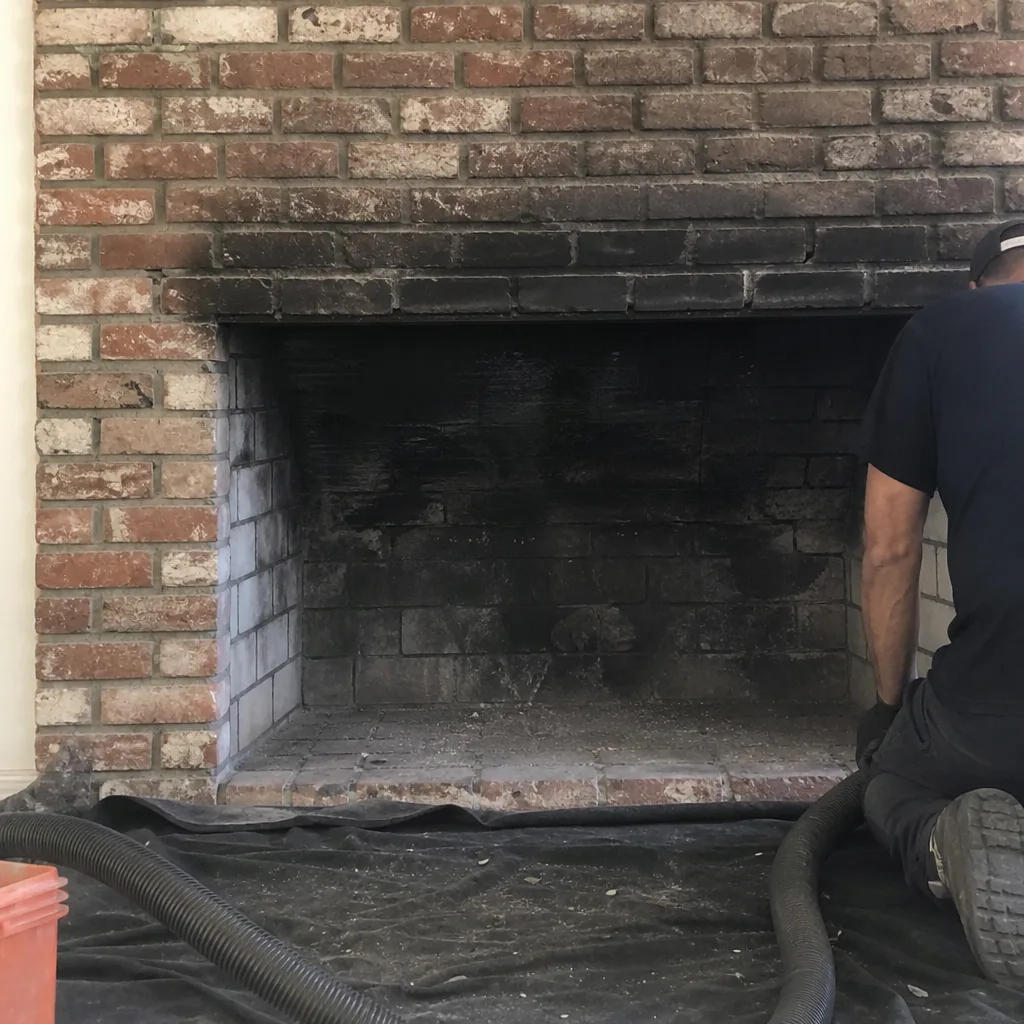 Before
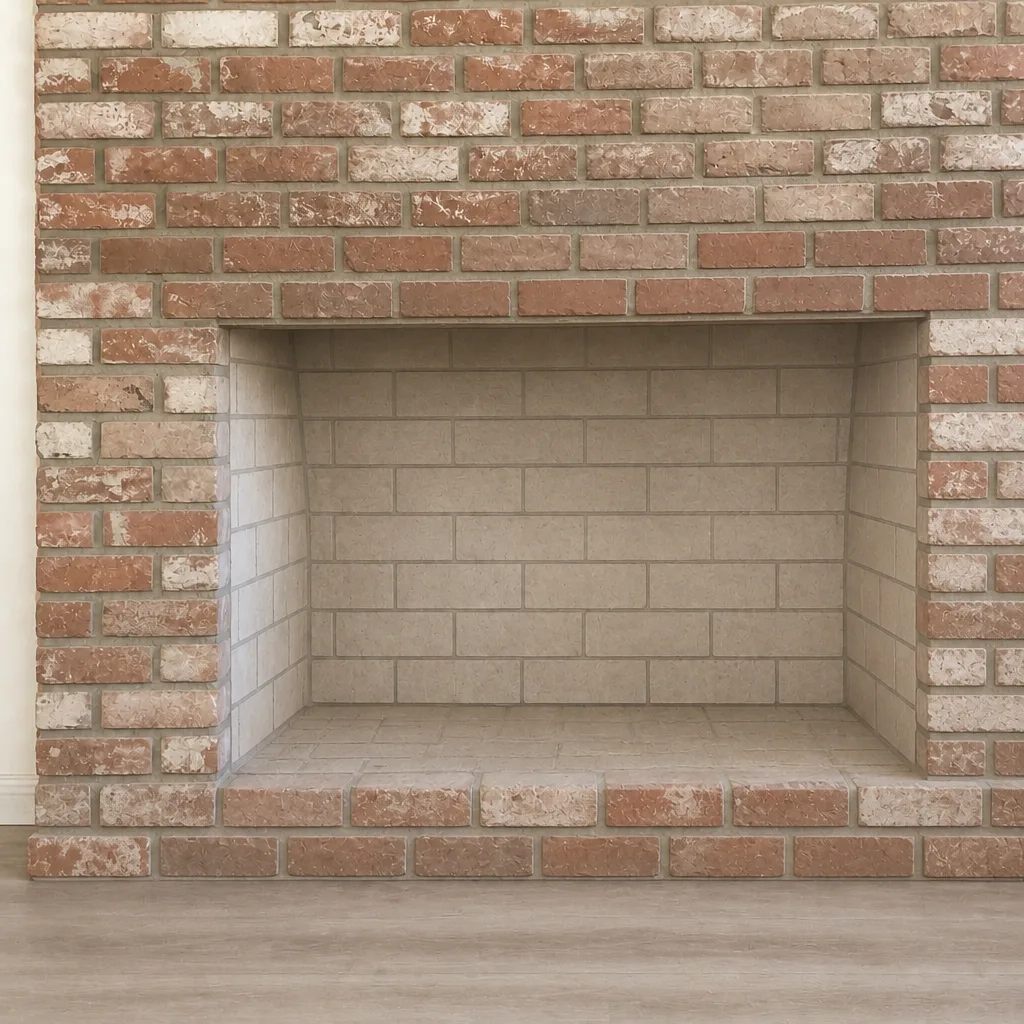 After
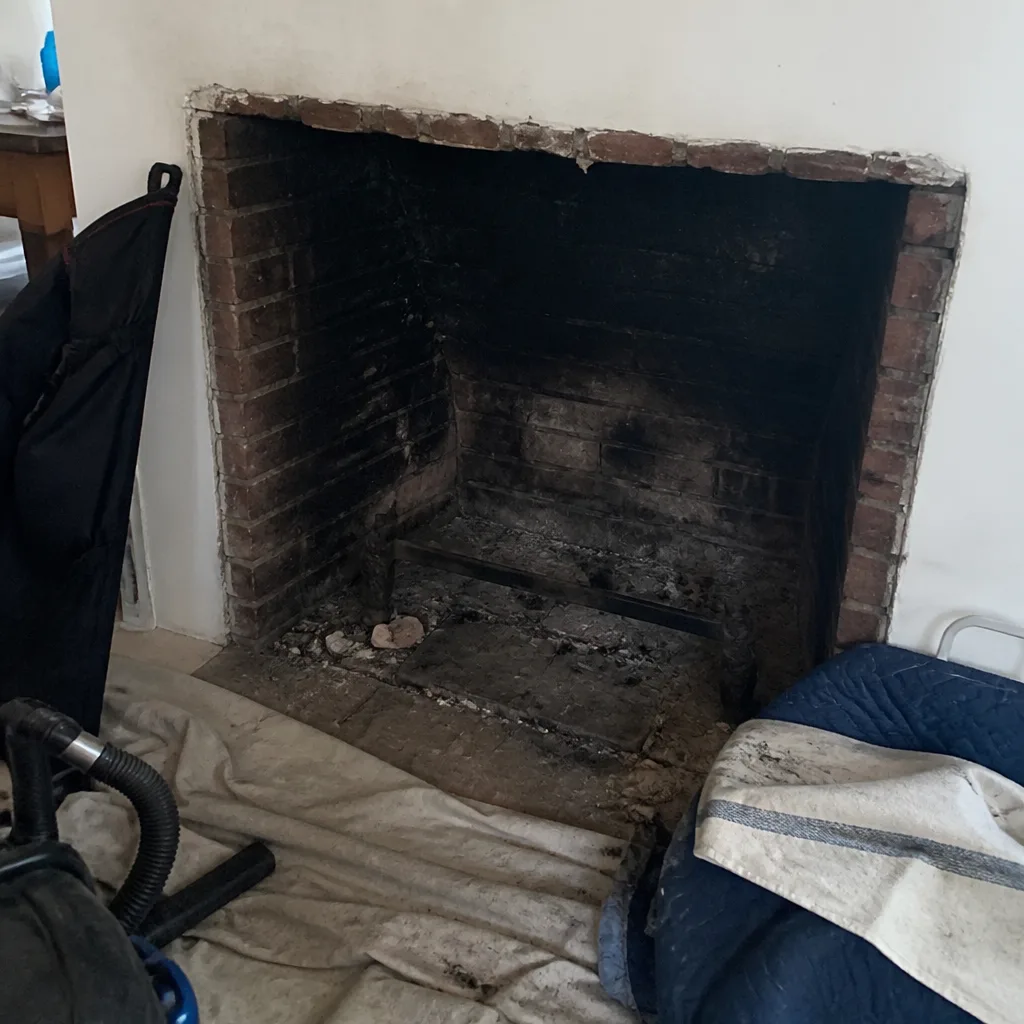 Before
 After
 Before
 After