Last updated November 4, 2026
 Sweep & inspection
 Caps & crowns
 Flue relining
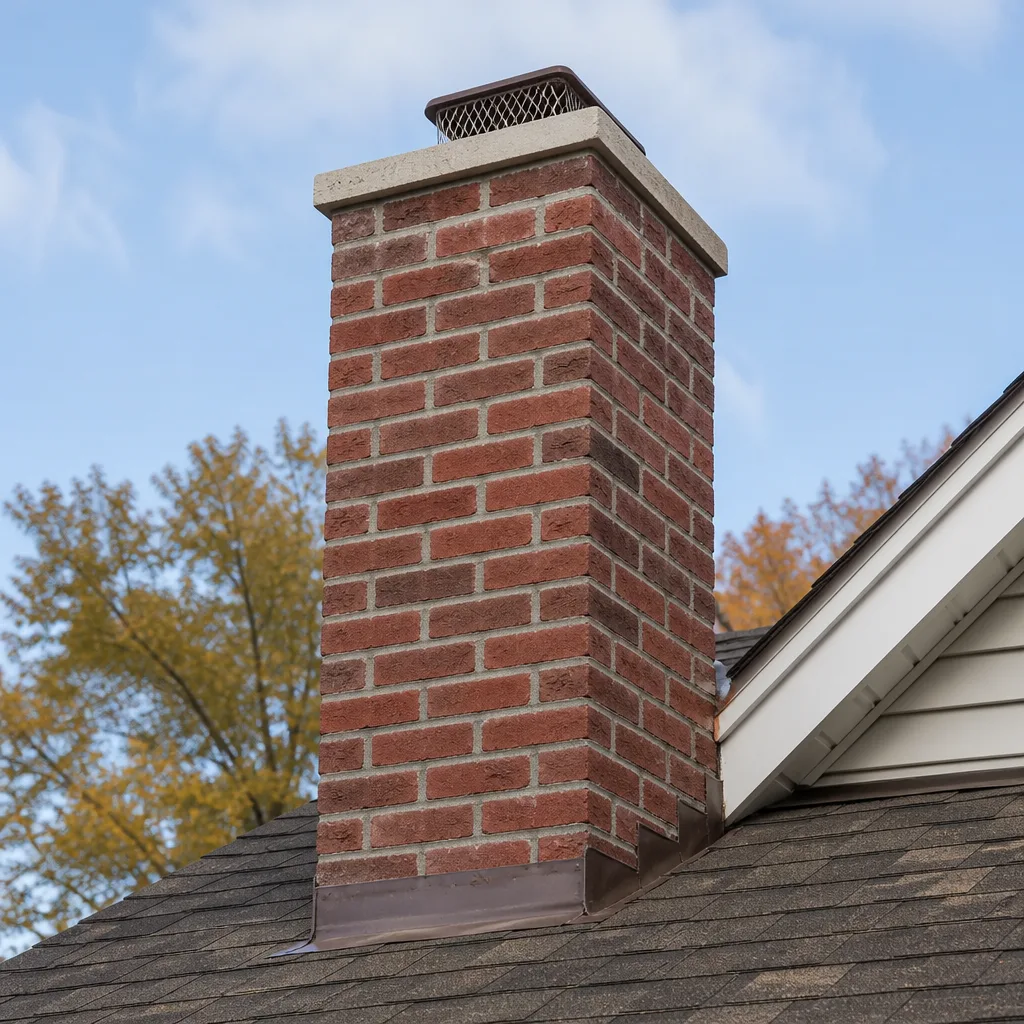 Masonry repair
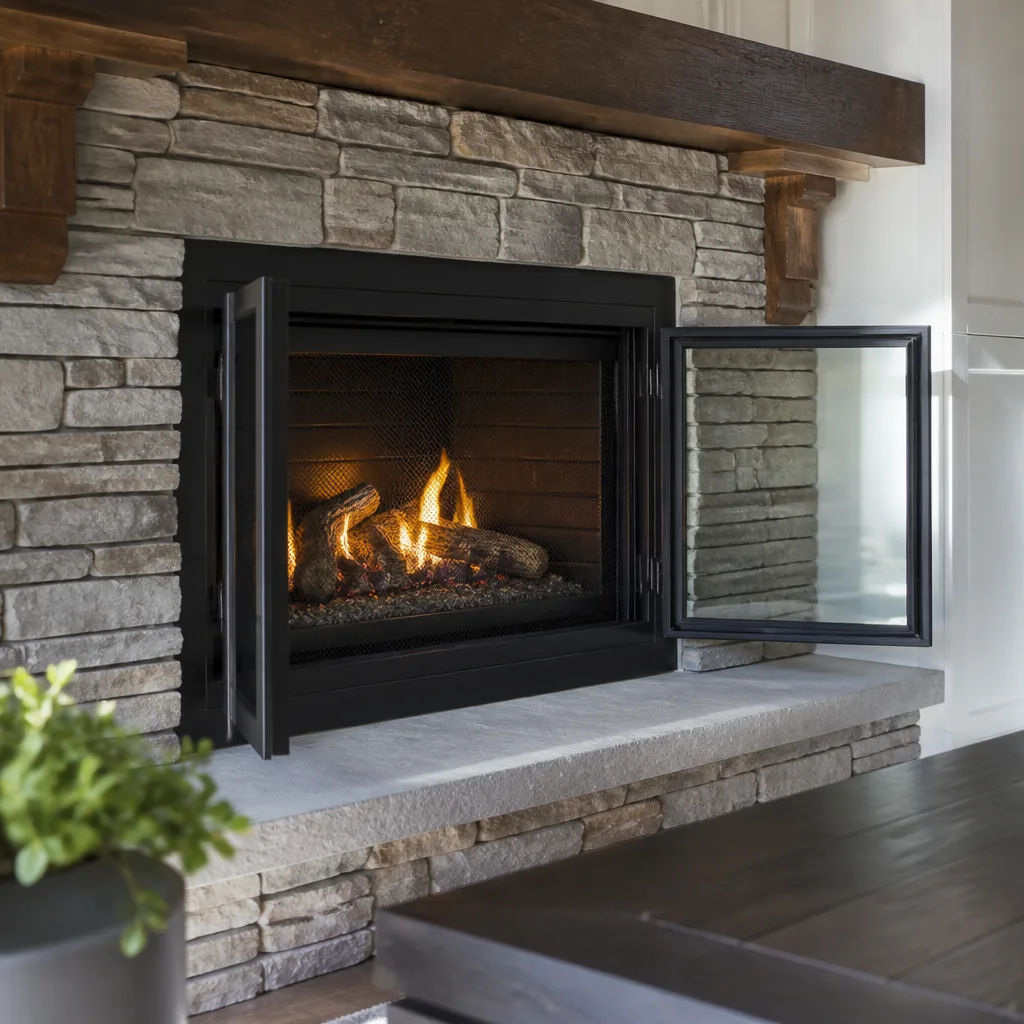 Gas fireplace service
Level 1 sweep and inspection to the NFPA 211 annual standard - flue, crown, cap, and flashing checked and photographed
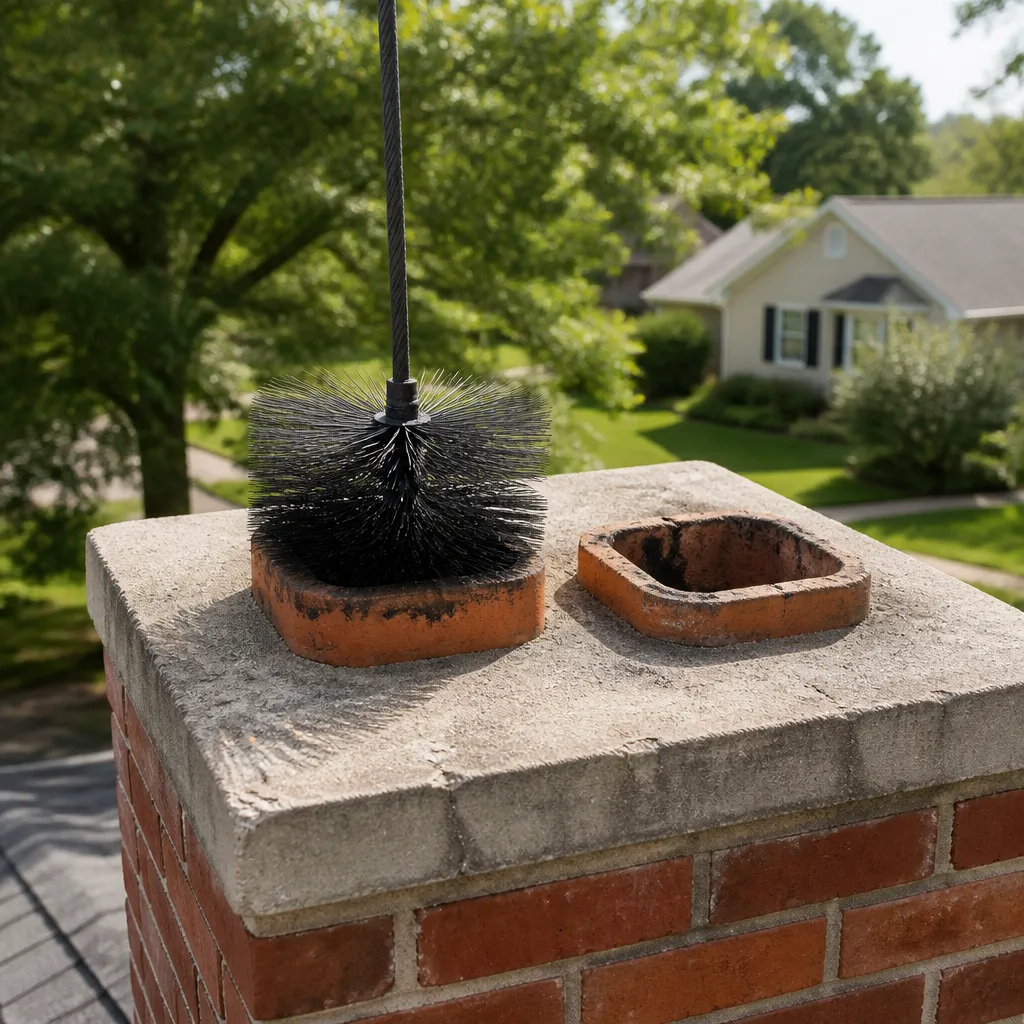
Chimney sweep logs do not sweep chimneys. They loosen some creosote - which then falls where a brush and vacuum still have to collect it.
Chimney Cleaning Cost Breakdown: The Hollywood Hills Homeowner’s Reference for 2026
The $99 chimney sweep special you saw advertised assumes flat roof access, standard flue height, and no camera inspection. Almost none of those assumptions hold for a hillside home in Hollywood Hills – which is exactly why the final invoice rarely resembles the ad. Canyon properties, steep rooflines, older masonry, and the county’s evolving air-quality rules all shape what a cleaning actually costs here. This guide walks through the real cost model, line by line, so you can read a quote with confidence and know what’s a legitimate add-on versus a padded line item. We’ll cover base sweep pricing, the access surcharges that are genuinely non-negotiable on hillside lots, inspection levels, and the repair costs most likely to follow a thorough Hollywood Hills inspection.
Styles & brands we work with
- Sweep & inspection
- Caps & crowns
- Flue relining
- Masonry repair
- Gas fireplace service
Quick Answer
Chimney cleaning in Hollywood Hills typically runs $180 to $340 for a standard sweep and visual inspection on a single-flue masonry chimney with reasonable roof access. With hillside access complications – steep roof pitch, multiple stories, a chimney stack well above the roofline, or a spark arrestor that needs removal and re-installation – expect $300 to $450. Adding a Level 2 camera inspection adds $150 to $400, making a thorough first-visit scope on a canyon home realistically $450 to $850 before any repair work.
Table of Contents
- What Does a Basic Chimney Sweep Cost in Hollywood Hills?
- Why Hillside Access Changes the Price
- Inspection Levels: What Level 2 Actually Adds
- The Add-Ons That Matter (and the Ones You Can Skip)
- Repair Costs a Hollywood Hills Inspection Commonly Triggers
- Professional-Grade Materials vs. Big-Box Substitutes: The Real Dollar Gap
- How to Read a Chimney Quote Line by Line
- Common Mistakes to Avoid
- When to Call a Professional
- Frequently Asked Questions
- The Bottom Line
What Does a Basic Chimney Sweep Cost in Hollywood Hills?
A standard sweep is the entry-level service: a technician runs brushes through the flue to remove creosote buildup, soot, and any debris that’s dropped down, then does a visual inspection of the firebox, damper, and accessible flue sections. In a flat-roof or single-story home with easy ladder access, this runs $180 to $240 in the greater Los Angeles market. In Hollywood Hills, the same service on a two- or three-story canyon home with a pitched roof usually lands between $250 and $340, simply because the job takes longer and requires more equipment and safety rigging.
What does that money actually buy? A proper sweep removes combustible creosote – the tarry byproduct of wood burning that accumulates on flue walls and ignites at around 2,000 degrees. That’s the fire you’re preventing. The sweep also clears obstructions: bird nests, leaves, tennis balls, the occasional squirrel. After brushing, a technician vacuums the firebox and smoke shelf, checks the damper, and verifies the flue draws correctly. In our experience, the single-flue masonry chimneys that dominate the older canyon neighborhoods – think the winding streets off Laurel Canyon and Coldwater – are straightforward to clean but can hide problems the brush alone won’t reveal. That’s where inspection depth becomes the real cost driver.
If your chimney hasn’t been cleaned in three or more years, or you burn unseasoned wood, expect the price to land at the upper end of the range. Heavier creosote takes longer to remove and may require chemical treatment or rotary cleaning tools. A chimney sweep should quote you a flat price before booking; if the scope changes during the job, the new price comes in writing before the work continues.
Quick tip: Ask whether the quoted price includes the spark arrestor inspection. Many low-ball quotes exclude it, but it’s mandatory under local fire codes in most canyon fire districts.
Why Hillside Access Changes the Price
Hollywood Hills is not a flat grid of single-story ranch homes. It’s ridge lines, retaining walls, switchback streets, and rooflines that follow the topography. A chimney that looks easy to reach from the street might sit forty feet above grade on the downhill side, requiring a 40-foot extension ladder and two people just to get a hand on the crown. That access reality drives pricing in specific, legitimate ways.
Here’s what a chimney company’s estimator is actually assessing when they look at your property:
- Roof pitch and walking surface. A 4/12 pitch is comfortable to walk. An 8/12 or steeper pitch means roof harnesses, rope tie-offs, and more setup time. Many hillside homes have steep secondary roof sections even when the main roof is walkable.
- Chimney height above the roofline. Code requires chimney tops to extend a minimum distance above the roof plane. On a steep lot, that often means a long, exposed stack that needs scaffolding or a taller ladder than a standard residential setup.
- Distance from vehicle parking to chimney. Tight canyon streets with limited pull-off space mean the crew carries equipment further. That’s time, and time is the honest cost.
- Multiple flues or chimneys. Some older Hollywood Hills properties have a fireplace on two floors sharing a single chase, or a separate flue for a furnace or water heater. Each flue is a separate sweep, though the access setup cost is shared.
None of this is an upsell. A technician who has to rope up on a 10/12 pitch roof is doing genuinely different work than one who can step out of an attic window onto a flat roof. A responsible company builds the access cost into the quote transparently rather than surprising you on-site. When you compare quotes, look for a line item that says something like “steep roof access” or “elevated chimney setup” – that’s the honest version of what the $99 ad leaves out.
Inspection Levels: What Level 2 Actually Adds
Chimney inspections come in three levels established by the National Fire Protection Association standard for chimneys (NFPA 211). Understanding these levels tells you whether a $400 quote with inspection is a good deal or a basic sweep with a fancy label.
- Level 1 inspection. Visual check of accessible portions of the chimney interior and exterior. Included with most standard sweeps. Appropriate when you’ve used the chimney regularly and nothing has changed – no new appliance, no moisture issues, no seismic event.
- Level 2 inspection. Adds closed-circuit camera scanning of the flue interior, plus inspection of the attic, crawlspace, and adjacent roof penetration. Required by code when you’re buying or selling a home, after a chimney fire, after a seismic event, or when changing the type of fuel or appliance vented into the flue.
- Level 3 inspection. Involves opening concealed areas to access a problem location – removing drywall or masonry to look at a suspected hidden defect. Rare, and reserved for cases where a Level 1 or Level 2 inspection has already identified a serious concern.
In Hollywood Hills, the Level 2 is the responsible minimum in several real scenarios. If you bought your home in the last two years and have never had the chimney inspected, the flue condition is unknown – and hillside homes with older masonry chimneys frequently have hidden cracks from past earthquakes or settlement. If a wildfire burned near your property, a Level 2 camera scan can reveal heat or water damage inside the flue that a visual check misses. If you’re switching from a wood-burning fireplace to a gas insert, local code requires a Level 2 before the conversion.
Cost range: A standalone Level 2 inspection without a sweep runs $150 to $400 in Hollywood Hills. Bundled with a sweep, expect $350 to $750 total. The camera equipment is expensive, and interpreting the footage takes trained eyes – this is not a place to shop for the cheapest number. We’ve seen camera inspections performed with cheap borescopes that miss hairline cracks a professional chimney camera catches. The difference matters because what the camera shows is the basis for every repair recommendation that follows.
The Add-Ons That Matter (and the Ones You Can Skip)
Chimney companies legitimately offer add-on services during a sweep. Some are essential for hillside homes. Some are optional. Here’s how we think about each in the context of Hollywood Hills properties.
Worth paying for:
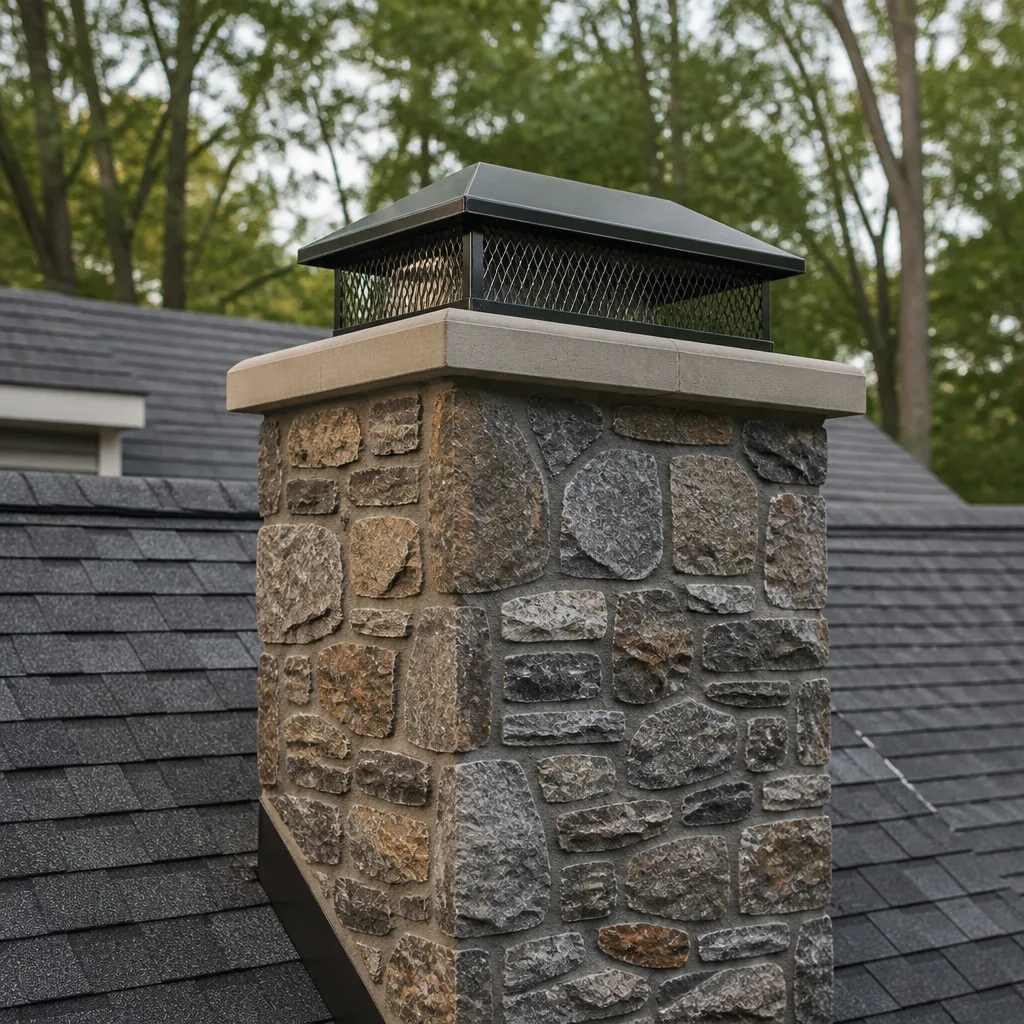
- Spark arrestor inspection and replacement. Spark arrestors are the mesh screens at the top of the chimney that prevent embers from escaping onto your roof or into the dry brush that surrounds many canyon properties. In a fire-prone area like Hollywood Hills, a clogged or missing spark arrestor is a serious hazard. Expect $150 to $350 to replace a standard stainless arrestor, including parts and labor.
- Crown sealant or repair. The chimney crown is the concrete slab at the top that sheds water away from the flue. Hairline cracks let water into the masonry, and the next ten winters of rain will slowly turn your chimney into a sponge. A simple crown seal runs $150 to $400. A full crown rebuild is more – we cover that below.
- Chimney cap installation. A cap keeps out rain, leaves, and the occasional crow. Quality stainless caps run $200 to $500 installed, depending on flue size and mounting complexity.
Skip or question it:
- Anti-creosote spray treatments. These work, marginally, for light creosote. They are not a substitute for brushing heavy buildup and they don’t repair damage. If a quote pushes a chemical treatment instead of a proper sweep, that’s a red flag.
- Firebox repainting or “refreshing.” Cosmetic work with no safety benefit. If you want it, fine. But it’s not part of a safety service and shouldn’t be bundled as if it is.
- Generic “chimney sealant application.” If the sealant isn’t specified by material and approved for chimney masonry, it’s likely a low-cost coating that will peel in two years. Ask what product is being used.
Repair Costs a Hollywood Hills Inspection Commonly Triggers
Here’s the uncomfortable truth: roughly one in three chimneys we inspect in the Hollywood Hills area needs some repair beyond cleaning. The older the home, the higher the likelihood. If your house was built before 1980 and the chimney has never had liner work, plan for something in the section below.
Chimney Liner Replacement: What It Costs and Why It Matters
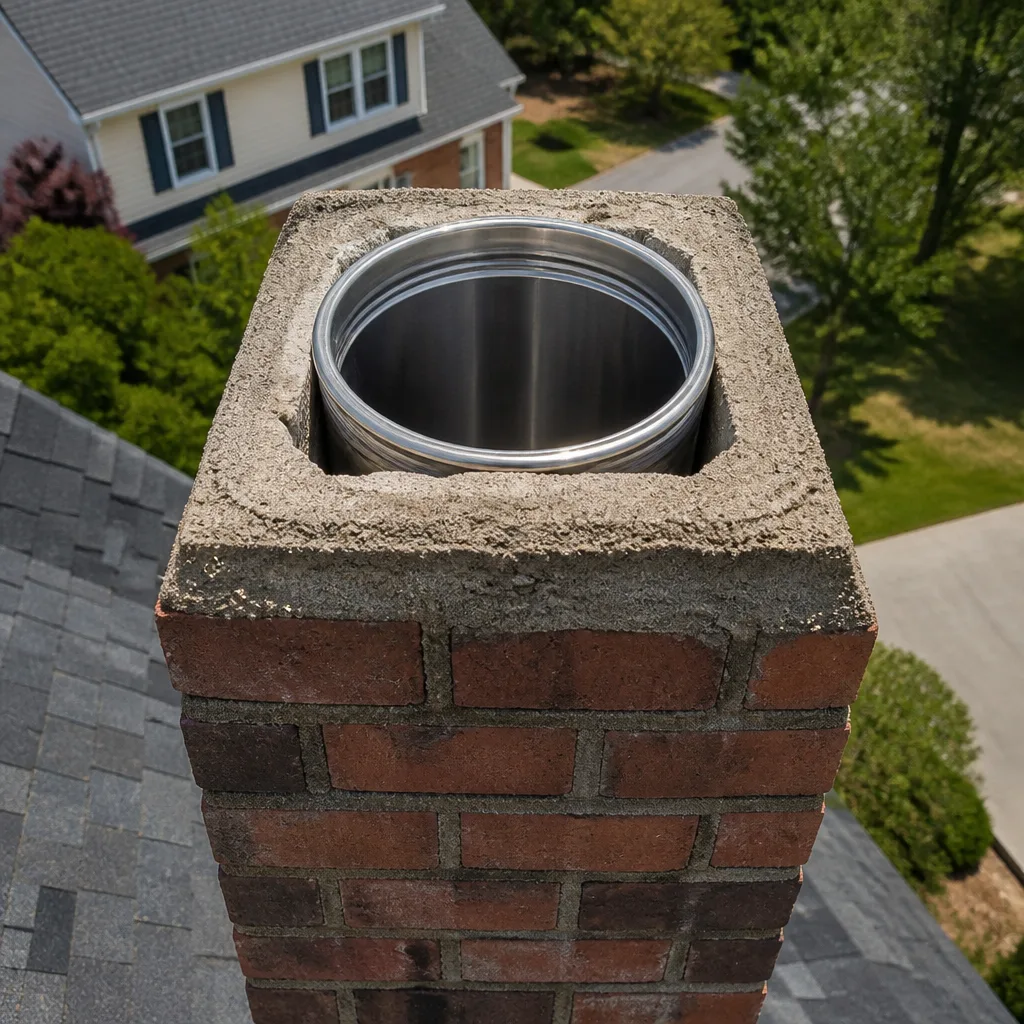
The flue liner is the inner surface of the chimney that contains heat, smoke, and combustion gases. Older homes often have clay tile liners that crack from heat cycling, settlement, or chimney fire exposure. Once the liner is compromised, combustion gases can leak into wall cavities and creosote can accumulate where a brush can’t reach. In Hollywood Hills, several common situations trigger liner work: a cracked clay tile found during a camera inspection, a chimney fire that’s left spalling damage, or a gas-to-wood conversion that requires an upgrade for safety code compliance.
There are two primary repair approaches:
- Stainless steel relining. A flexible or rigid stainless liner is installed inside the existing flue. For a single-story Hollywood Hills chimney, expect $2,500 to $5,500. For a two-story or three-story hillside home with a tall flue, expect $4,000 to $8,000. Quality materials matter: a Carlton Chimney Sweep installation uses professional-grade systems like DuraFlex flexible liners, which are designed to snake through older or irregular flue configurations that rigid pipes can’t handle. The difference in price between a quality stainless reliner and a budget product is often $500 to $1,500 – and the lifespan gap is measured in decades.
- HeatShield cerfractory restoration. For liners with cracks that haven’t yet caused structural failure, HeatShield is a certified resurfacing system that applies a ceramic-ceramic coating to the flue interior, filling cracks and restoring a smooth passage. It’s faster and less disruptive than a full reliner, and costs $1,800 to $4,500 depending on flue height and access. It’s not right for every chimney – a full reliner may still be the correct call for a severely deteriorated flue – but it’s a legitimate middle option that keeps many hillside homeowners out of a full teardown.
Chimney Crown Rebuild
The crown crack that starts as a $200 sealant job becomes a full rebuild when water has penetrated deep enough to pop the concrete or when the crown was poorly formed to begin with. A full crown rebuild in Hollywood Hills runs $1,200 to $2,800. On a hillside chimney where access is difficult, expect the upper half of that range. A properly rebuilt crown uses a Portland-based concrete mix with an overhang drip edge – not a thin coat of mortar smeared on the top.
Chimney Cap and Spark Arrestor Upgrade
If your cap is rusted through or missing, replacement runs $200 to $500 for a standard stainless unit. If your spark arrestor is damaged or missing, that’s $150 to $350. We recommend treating these as a pair: a cap that keeps water out but doesn’t arrest sparks isn’t doing its full job on a canyon property. Materials like Gelco and Copperfield caps are engineered for precise fit and weather durability, and they’re what we stock rather than the flimsy galvanized caps that rust through in five seasons.
Professional-Grade Materials vs. Big-Box Substitutes: The Real Dollar Gap
Walk into any big-box hardware store and you’ll find chimney caps for $39, liner kits for $199, and “universal” flue components that promise to fit everything. There’s a reason professional chimney companies don’t stock those shelves. The difference isn’t branding; it’s metallurgy, fitment, and lifespan. And the dollar gap, when you do the math honestly, often favors the professional-grade part.
Consider a chimney cap. A $39 big-box cap is typically galvanized steel with a thin powder coat. In the Hollywood Hills sun, that finish degrades in three to five years. The mesh rusts, the mounting brackets loosen, and birds work their way in. A professional-grade Copperfield cap costs $180 to $300 as a part – but it’s stainless steel, built to a specific flue dimension, and typically carries a longer usable life. If the cheap cap needs replacing twice in the same period the quality cap is still functional, the real cost difference is minimal or even favors the professional product.
The same logic applies to liners. A budget stainless liner might be thin-gauge, un-insulated, and generic in diameter. A DuraFlex liner from a professional supply chain is engineered for flexural durability and comes in specific diameters matched to the flue dimensions. The installation quality matters as much as the material – but a professional installer who sources proper materials is building a system that will last the life of the appliance, not a patch that needs revisiting.
The honest math: on a $4,000 reliner project, the material cost difference between a premium stainless system and a budget line is often $500 to $800. That’s real money. But the premium system installs more cleanly, fits the flue correctly, and carries a service expectation from a company that can stand behind the work. The alternative is paying for a second installer to fix a bad fit in year three, which costs more than the original savings.
How to Read a Chimney Quote Line by Line
A credible chimney quote in the Hollywood Hills market will have a clear scope and specific materials. A bait-and-switch quote will hide its assumptions. Here’s how to tell the difference.
- Look for a line item on access. If the quote doesn’t mention roof pitch, chimney height, or access difficulty, the company either hasn’t been to your property or intends to bill for access when they arrive. For a Hollywood Hills home, any quote given over the phone without photos or a site visit should be treated as an estimate, not a commitment.
- Check the inspection depth. If the quote says “sweep and inspection” but doesn’t specify whether it’s a Level 1 or Level 2, ask. A Level 2 camera scan is $150 to $400 of added value; you deserve to know if you’re getting it or not.
- Look for specific materials. A quote that says “new cap” without specifying stainless versus galvanized, and without naming a product line, is leaving room for a cheap part. A quote that says “Copperfield stainless cap, model-matched to flue size” is credible.
- Check the repair scope language. “Repair as needed” without a defined trigger is a blank invoice. A good quote reads like “remove damaged clay tile liner, install DuraFlex 6-inch stainless liner, insulate and connect.”
- Confirm the warranty language. What’s covered, for how long, and who returns if something fails? Professional installers who source good materials typically stand behind the work for a defined period. Get it in writing.
- Check for a written estimate clause. The best companies will tell you the flat price before booking and confirm any change in writing before continuing. If the quote says “plus materials” without estimating materials, walk away.
Common Mistakes to Avoid
- Accepting a phone quote without a site assessment. A company that quotes $149 over the phone hasn’t seen your roofline, your access path, or your flue condition. In Hollywood Hills, site conditions routinely add $100 to $200 in legitimate access charges.
- Skipping the Level 2 camera inspection on an old home. If your Hollywood Hills home was built before 1980 and you’ve never seen the inside of your flue, you’re flying blind. The camera costs $150 to $400; the liner crack it catches will save you thousands later.
- Replacing a cap without checking the arrestor. In a canyon fire zone, a spark arrestor is sometimes more important than a rain cap. Get both looked at during the same service call.
- Choosing a roof-access-only company. A handyman with a ladder can sweep a chimney. They can’t camera-inspect the flue, repair a liner, rebuild a crown, or source professional-grade parts. If the job is more than a basic sweep, the handyman will hand you off to a chimney company anyway – after charging you for the partial work.
- Ignoring the dryer vent. Your chimney gets all the attention while the dryer vent, a leading household fire hazard, goes uncleaned for years. A dryer vent cleaning is $120 to $250 and a legitimate safety service – not a sideline upsell.
- Waiting for “burning season” to book. By October, every chimney company in Los Angeles is booked out. Scheduling your sweep in late spring or summer means your chimney is ready when the first cool evening arrives, and you’ll often get better scheduling flexibility.
When to Call a Professional
If you can see creosote glistening on your flue walls, if smoke backs up into the room when you light a fire, or if you smell wood-smoke when the fireplace isn’t burning, stop using the fireplace and call a professional. The same goes for any signs of water staining on the ceiling near the chimney chase, which suggests crown or flashing failure. And if your home inspector flagged anything at all on the chimney report when you bought your Hollywood Hills home, get it looked at by a chimney specialist before your first fire. A qualified sweep has the tools and training to clean and inspect the flue properly – and the experience to tell you what’s safe to defer and what isn’t. Carlton Chimney Sweep offers free estimates in Hollywood Hills. Call (855) 731-2852 and we’ll walk the chimney with you, camera in hand, and write up exactly what we recommend with the evidence to match.
Frequently Asked Questions
A standard sweep with a basic visual inspection runs $180 to $340 for a typical single-flue Hollywood Hills chimney. With steep roof access, a tall chimney stack, or a spark arrestor that needs removal, expect $300 to $450. The price is set by the written estimate before work begins, and any changes during the job should be confirmed in writing. Call (855) 731-2852 for an exact quote for your property.
The safe schedule for a wood-burning fireplace is a sweep every 50 to 100 fires, or at minimum once a year if you burn regularly through the cooler months. Gas appliances vented through a chimney should still be inspected annually for blockages and venting damage, even though they don’t produce creosote. If your chimney goes years between cleanings, the first visit is the right time for a Level 2 camera inspection.
If you’ve recently purchased the home, converted the appliance, had a chimney fire, or experienced a significant earthquake, yes – local code requires it in most of those scenarios. If your chimney has simply gone several seasons without a look, the camera finds hidden liner cracks and water damage that a visual check misses. It costs $150 to $400 and gives you the evidence you need before any repair recommendation.
Creosote buildup is combustible and ignites at roughly 2,000 degrees. A chimney fire can crack the liner, compromise the masonry, and spread heat to framing. And a blocked flue – from a nest, leaves, or collapsed liner – can push carbon monoxide back into the house. These are not theoretical risks for older Hollywood Hills chimneys; they’re the most common findings we document during inspections. If you can’t remember the last time the flue was cleaned, schedule it now.
A stainless steel reliner typically runs $2,500 to $8,000 depending on flue height, chimney access, and the liner system specified. HeatShield cerfractory restoration is a lower-cost alternative for liners with moderate cracking, running $1,800 to $4,500. The right option depends on the camera findings, and a written estimate should specify exactly which system is being quoted. Estimates are free – call (855) 731-2852 and we’ll walk through what your chimney actually needs.
Most professional sweeps clean from the roof down, but there are interior-cleaning methods that work in some fireplaces. The access method depends on your specific chimney configuration, roof condition, and flue type. On a Hollywood Hills home with difficult roof access, the same safety considerations that make roof access expensive sometimes make interior methods the smarter choice. Bring this up when booking – a good company will discuss options, not impose one approach.
The Bottom Line
Chimney cleaning in Hollywood Hills costs more than the advertised specials because hillside access, older masonry, and inspection depth are real variables, not upsells. A credible budget: $180 to $340 for a basic sweep, $300 to $450 with typical hillside access complications, and $450 to $850 with a Level 2 camera inspection. Repairs triggered by what the camera finds – liner work, crown rebuild, cap and arrestor replacement – range from a few hundred to several thousand dollars depending on the condition of your flue. The best way to keep costs down is to catch problems early, use professional-grade materials, and work with a company that shows you the evidence before recommending work. We answer 24/7. Fast dispatch from 7am to 7pm, Sunday through Friday. Call (855) 731-2852 for a free estimate in Hollywood Hills.
Written by the team at Carlton Chimney Sweep, serving Hollywood Hills since 2015.
See the difference
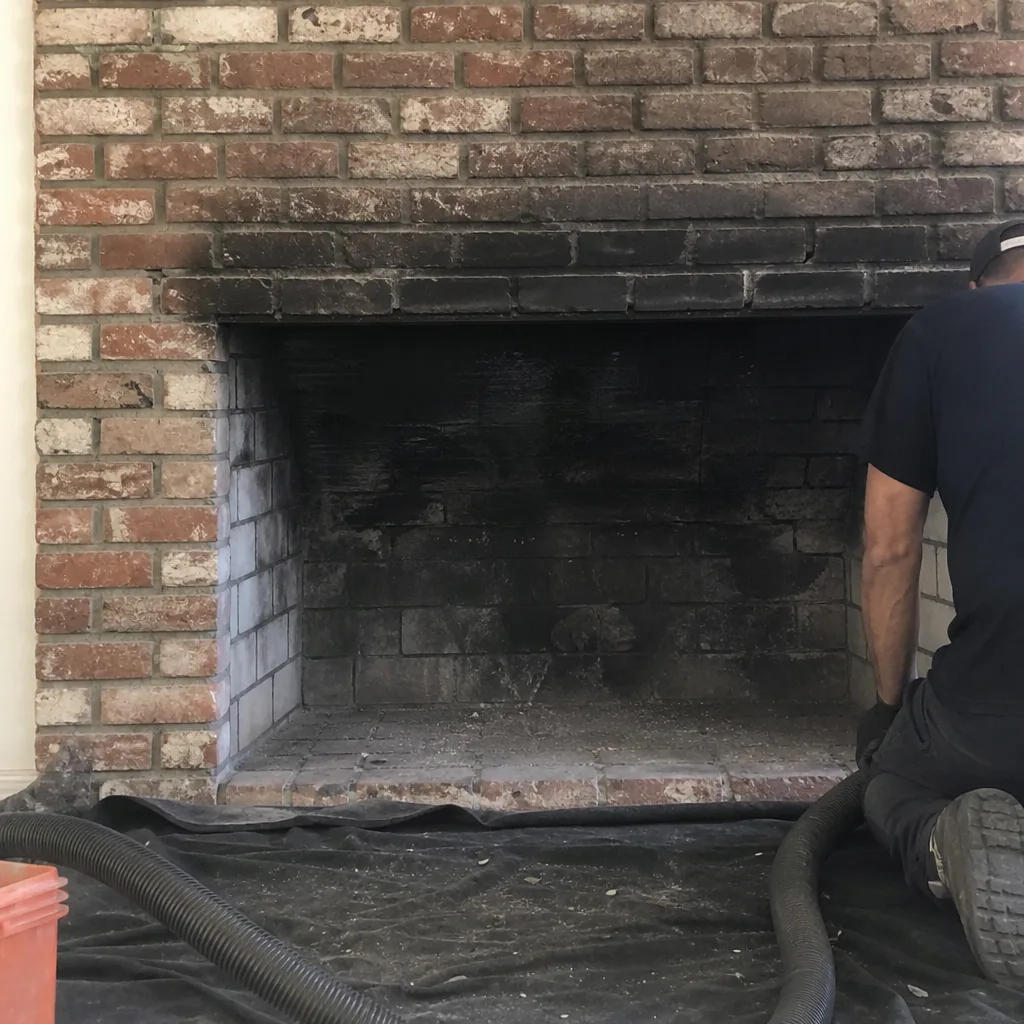 Before
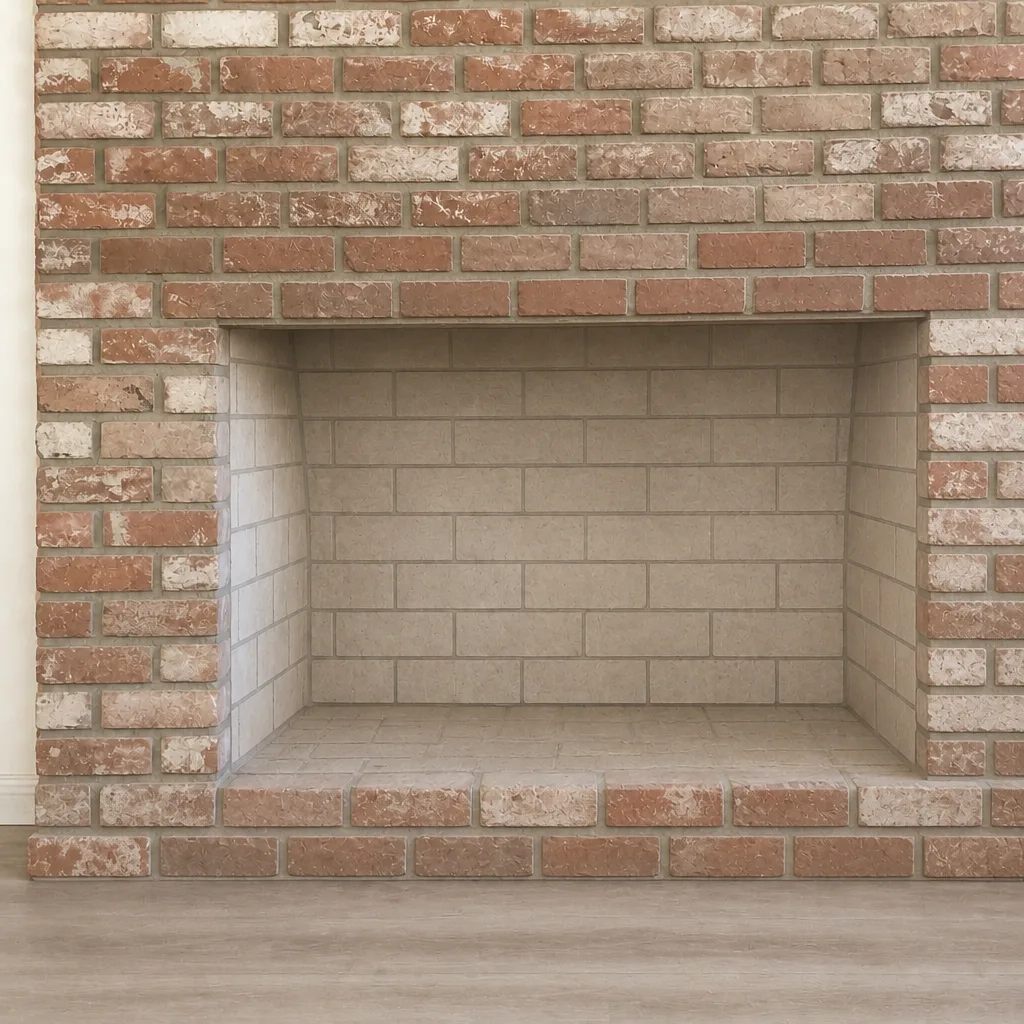 After
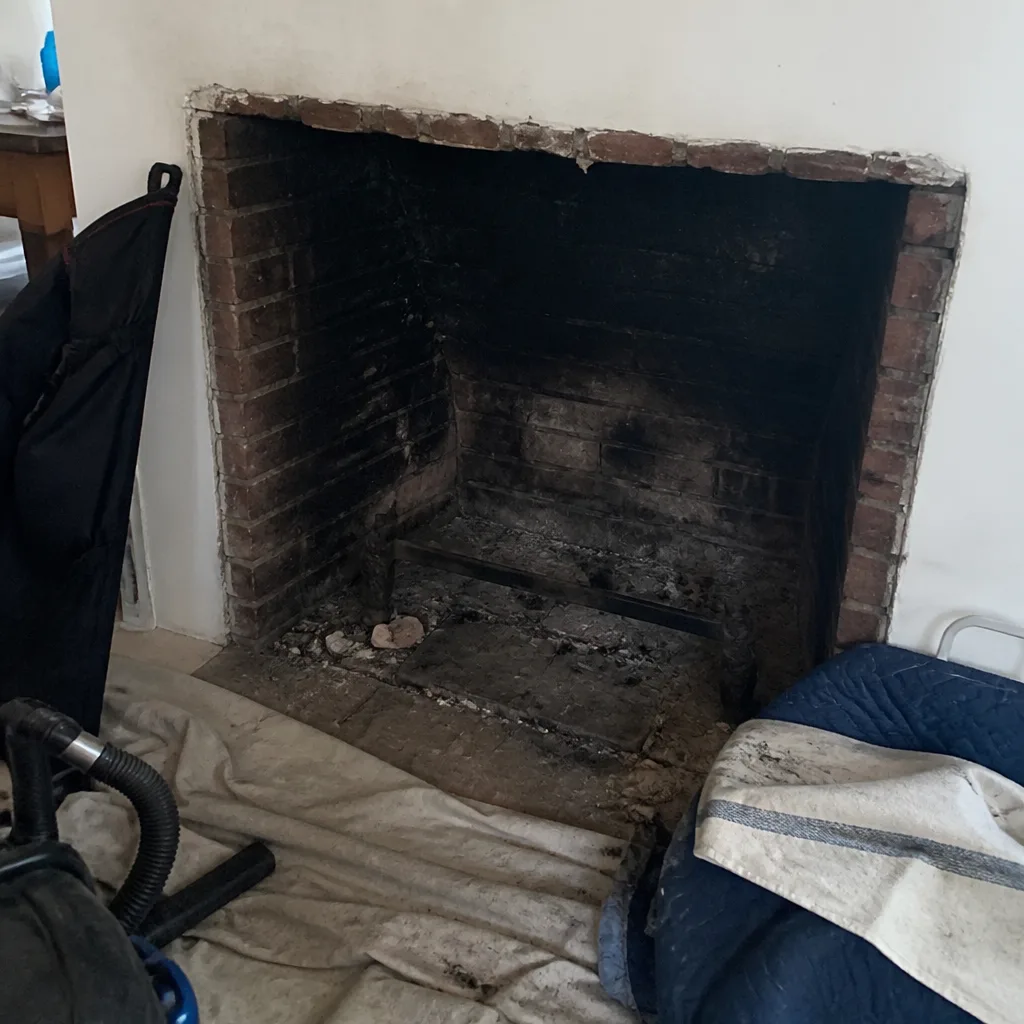 Before
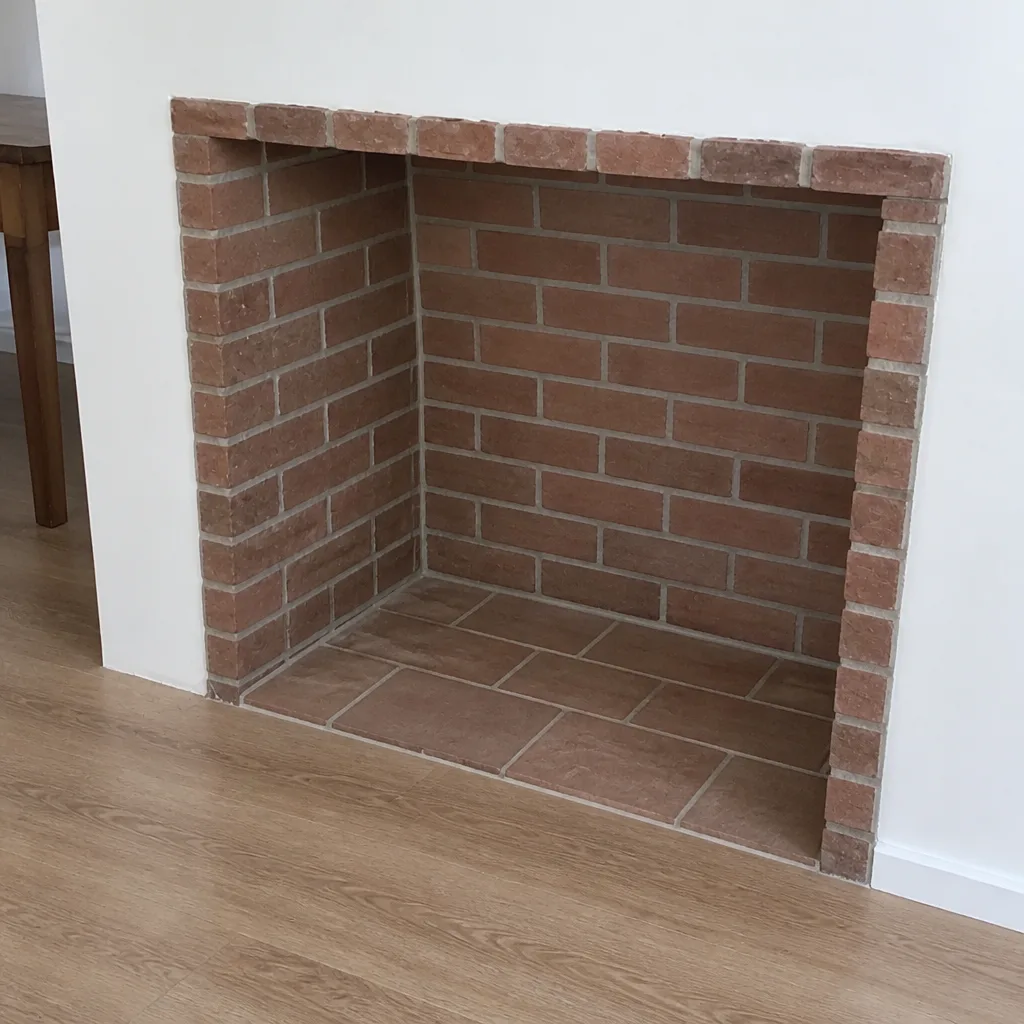 After
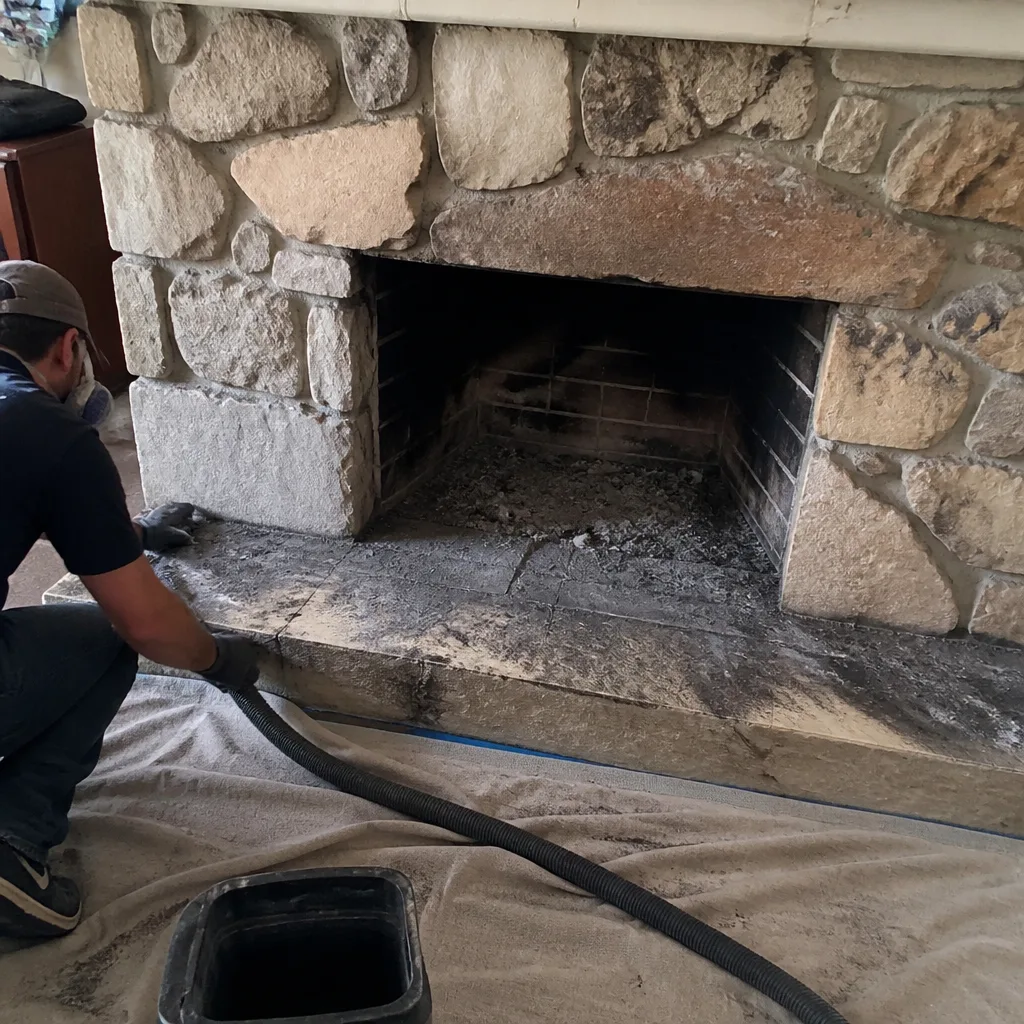 Before
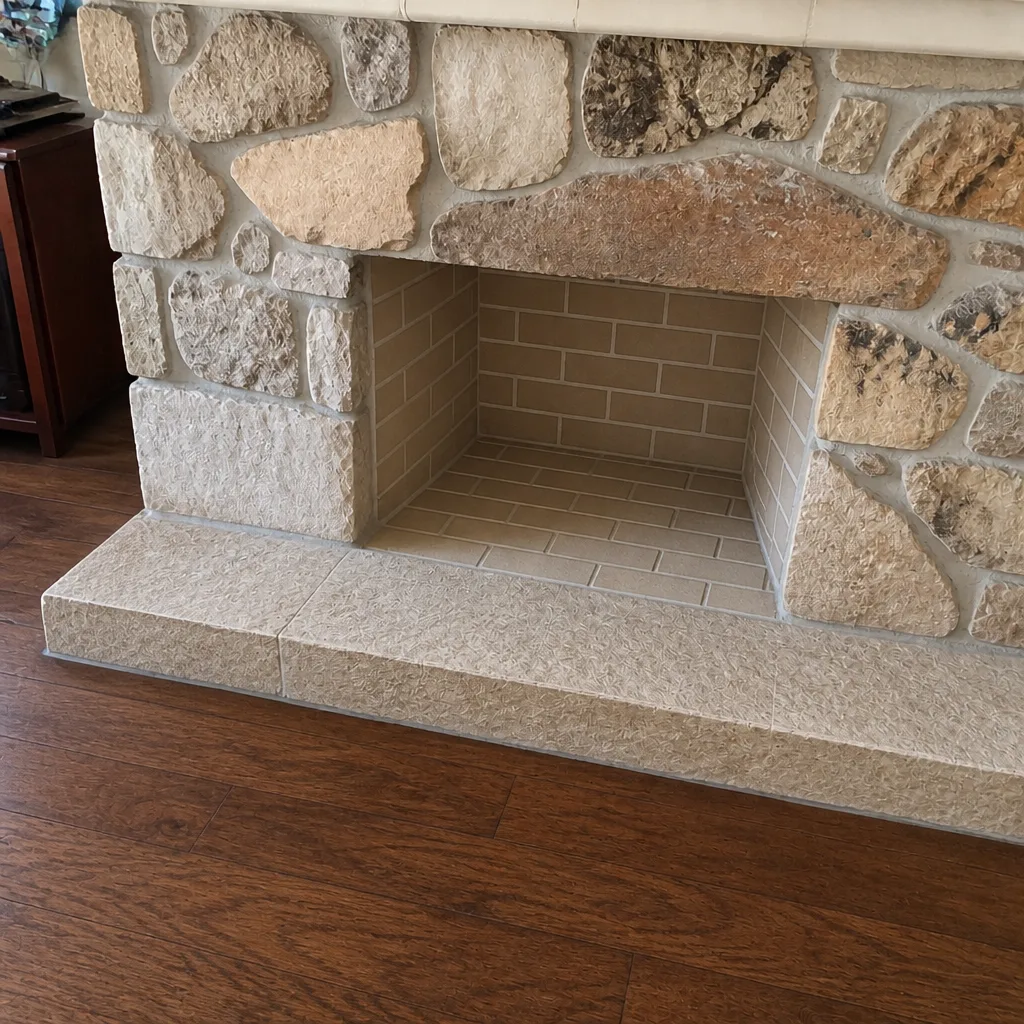 After