
Last updated November 4, 2026
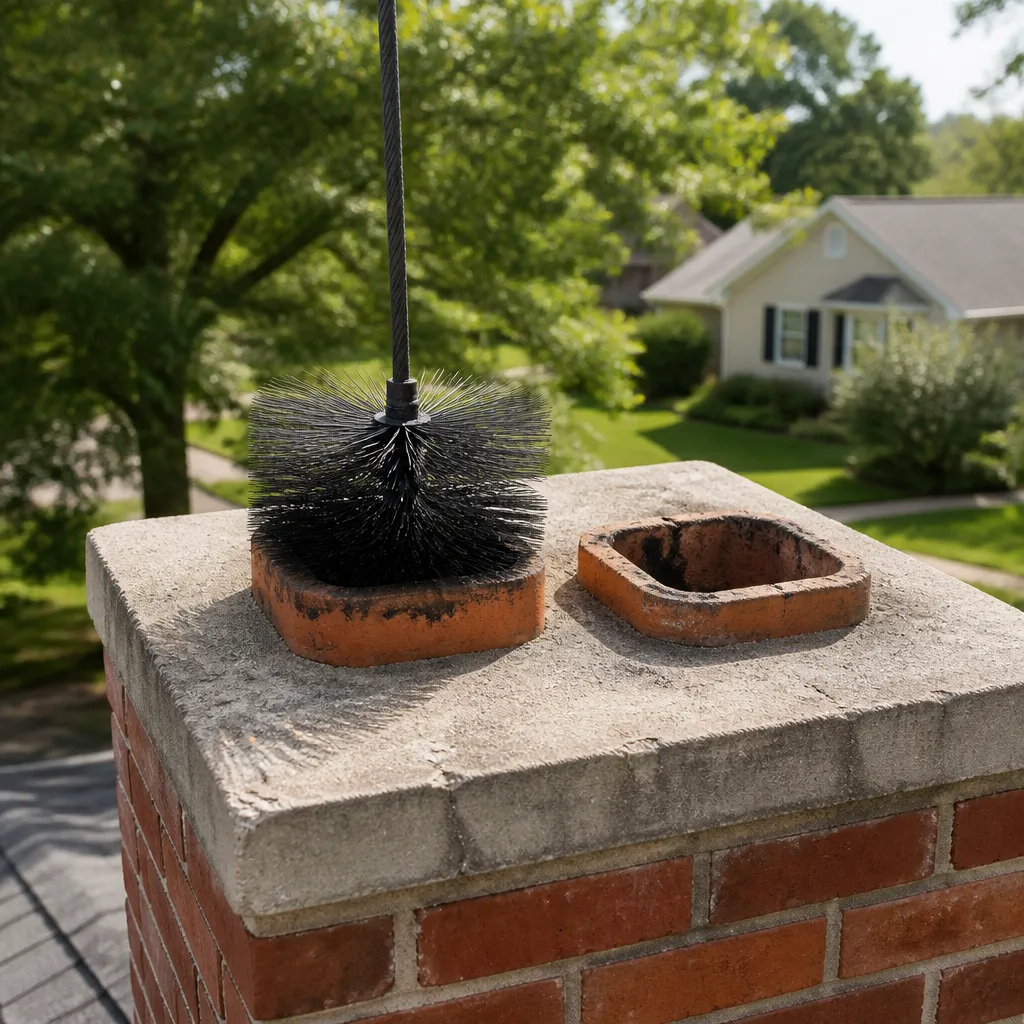 Sweep & inspection
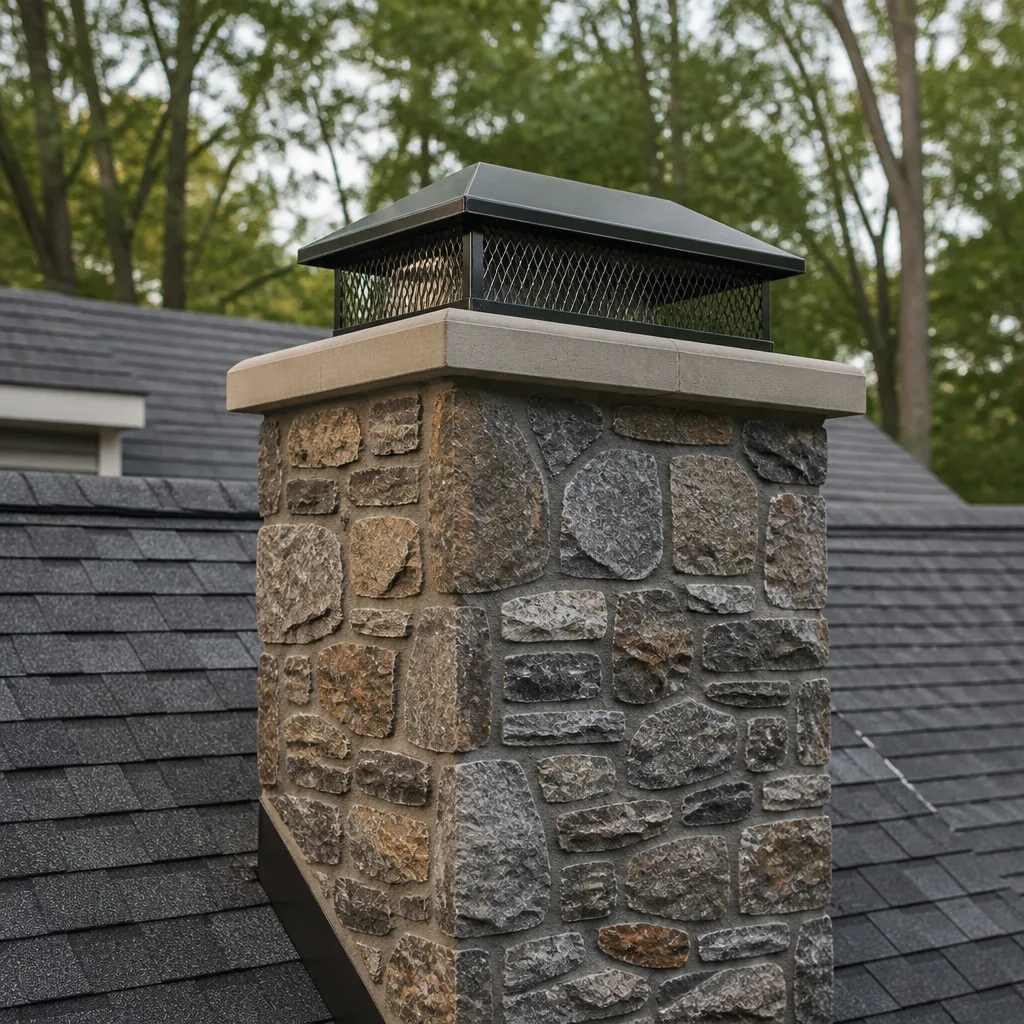 Caps & crowns
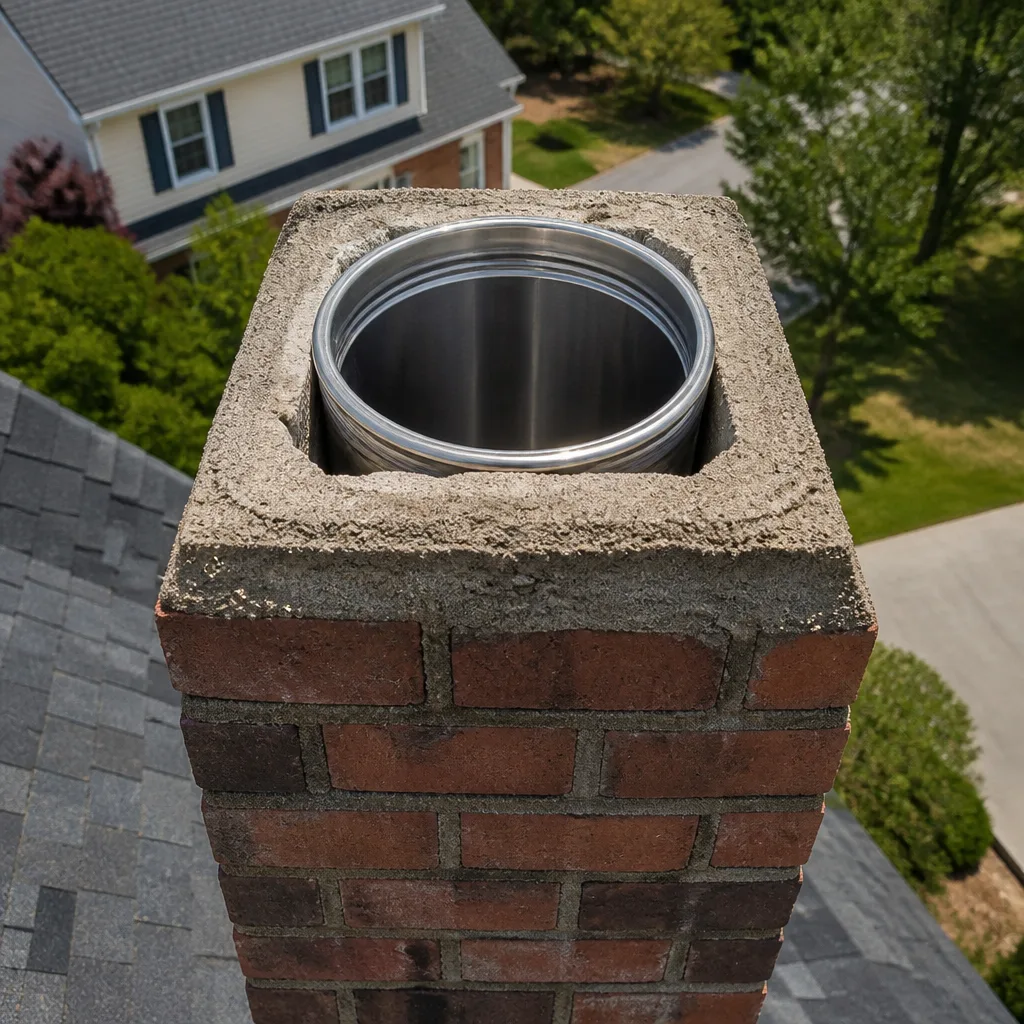 Flue relining
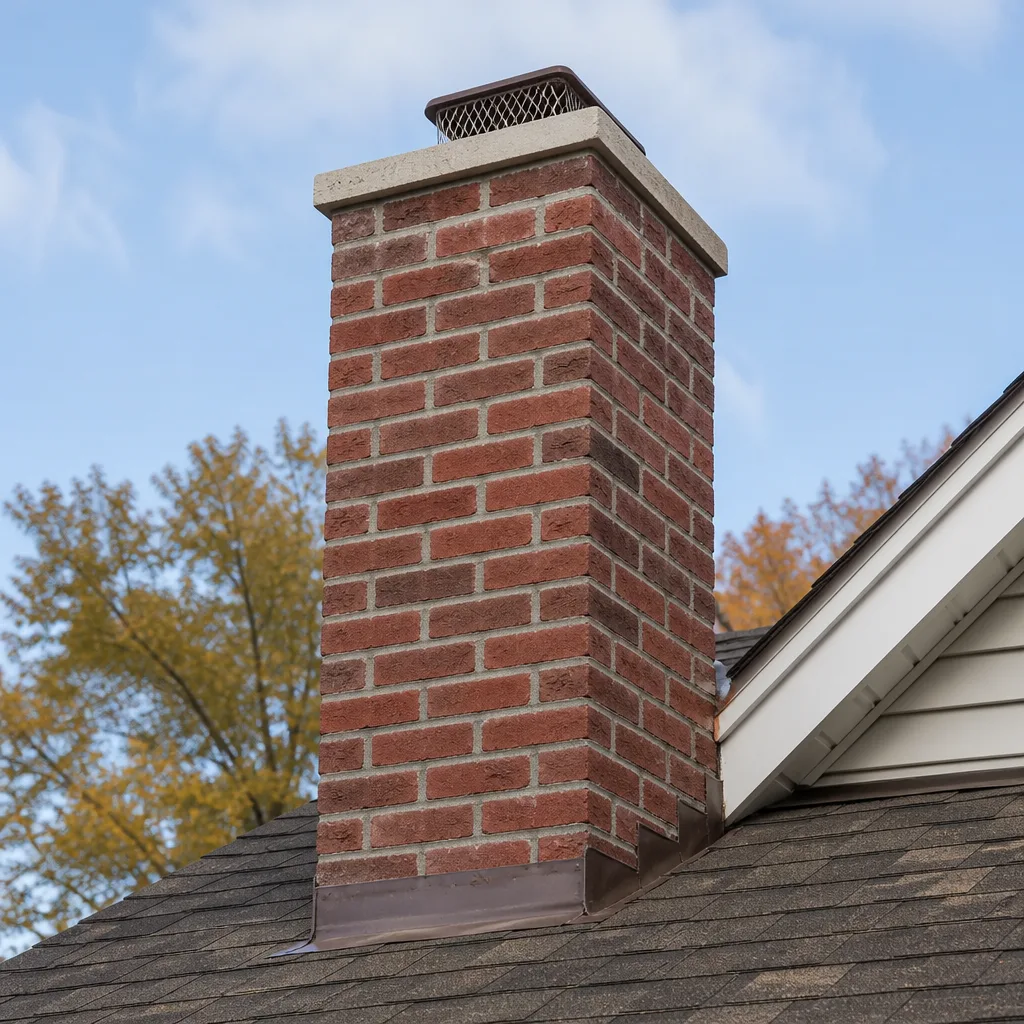 Masonry repair
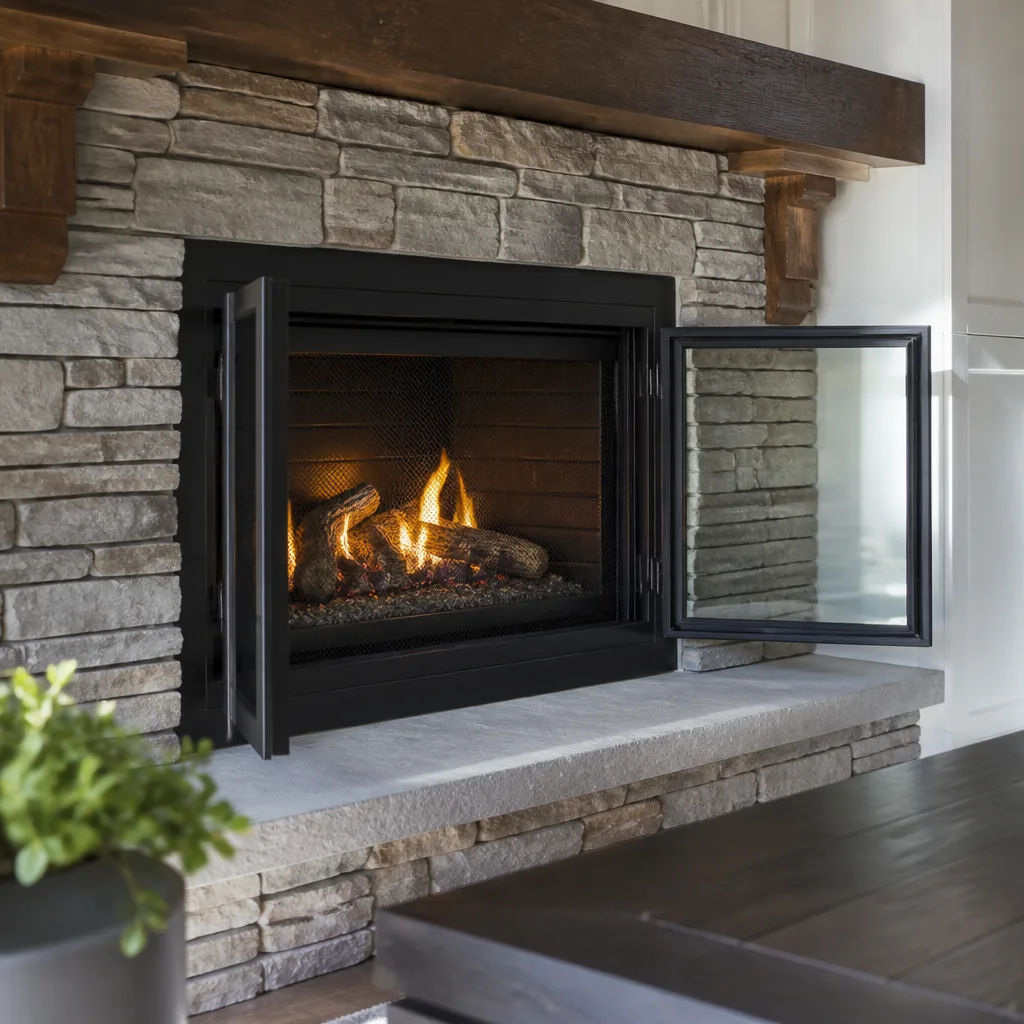 Gas fireplace service
Level 1 sweep and inspection to the NFPA 211 annual standard - flue, crown, cap, and flashing checked and photographed
Chimney sweep logs do not sweep chimneys. They loosen some creosote - which then falls where a brush and vacuum still have to collect it.
Chimney Cleaning Warning Signs: A Hollywood Hills Homeowner’s Reference Guide
A chimney fire announces itself with a roar that sounds like a freight train. Liner degradation, mortar erosion, and third-stage creosote formation don’t announce themselves at all. In Hollywood Hills, where canyon winds press against masonry and ember exposure is a seasonal reality, those quiet problems are the ones that end up grounding a fireplace permanently. Most homeowners wait for a visible problem before calling a chimney sweep, but by the time a problem is visible from the living room, the repair bill has usually tripled. This guide covers the low-drama signals that matter most in this specific climate, the ones most reference guides skip over because they’re harder to explain than a puff of smoke.
Quick Answer
The chimney cleaning warning signs homeowners in Hollywood Hills should watch for are: a fireplace that smells like a campfire when it’s not in use, white staining on exterior masonry after rain, smoke that lingers in the room instead of drafting upward, a crackling sound during operation, and visible dark, shiny deposits inside the firebox. Any one of these is worth a professional inspection. None of them will fix themselves.
Styles & brands we work with
- Sweep & inspection
- Caps & crowns
- Flue relining
- Masonry repair
- Gas fireplace service
Table of Contents
- What Third-Stage Creosote Looks Like and Why It’s Different
- Efflorescence: White Staining That Isn’t Cosmetic
- Draft Variability vs. a Blocked Flue: The Candle Test
- Spark Arrestors: Why Looking Intact Isn’t Enough
- Hillside Settling and the Firebox-to-Liner Joint
- The Off-Season Smell Test
- Moisture Cycling in Canyon Climate
- Common Mistakes to Avoid
- When to Call a Professional
- Frequently Asked Questions
What Third-Stage Creosote Looks Like and Why It’s Different
Creosote forms in three stages, and the third one is the one that catches Carlton Chimney Sweep customers off guard. Stage one is a light, dusty soot that brushes away easily. Stage two is flaky, like crushed cereal, and it comes off with moderate effort. Stage three is different entirely: it’s a hard, shiny, tar-like glaze that bonds to the flue walls. It looks almost like melted plastic that has cooled. When you shine a flashlight into the firebox and see a reflective, glassy coating instead of matte black powder, that’s third-stage creosote.
Here’s the part most guides skip: stage-three creosote cannot be removed by brushing alone. The deposits are too dense, too adhered, and too concentrated. A standard sweeping removes stages one and two, but that glazed layer stays behind. It is also the most flammable form of creosote, which is a problem when the next fire reaches the temperature that ignites it. Our approach in Hollywood Hills, where fireplaces run seasonally and creosote has time to harden between uses, is to identify third-stage formation early and address it before it becomes a full-scale liner rehabilitation project.
Efflorescence: White Staining That Isn’t Cosmetic
After a rain, many Hollywood Hills homeowners notice a white, chalky residue on the outside of their chimney. Most assume it’s salt, or paint fade, or something the gardener can wash off. It’s efflorescence, and it’s a moisture signal. Efflorescence forms when water moves through masonry and carries soluble minerals to the surface. The water evaporates. The minerals stay behind as a white stain.
The stain itself is harmless. The water movement behind it is not. Moisture inside a chimney accelerates mortar deterioration, weakens the brick structure, and, if it reaches the liner, can cause the liner to spall or crack. In Hollywood Hills, where we get long dry stretches punctuated by heavy rain, this wet-dry-wet cycling is a persistent stressor on exterior masonry. The right response to efflorescence is not scrubbing it off. The right response is finding where the water is getting in, which usually means inspecting the crown, the flashing, and the cap. The white stain is your chimney telling you something. It’s worth listening.
Draft Variability vs. a Blocked Flue: The Candle Test
Every fireplace has off days. A cold chimney, a shift in barometric pressure, an open window in the wrong spot. But when a fireplace drafts inconsistently, or smoke pauses before going up, or the room fills with a faint haze, the homeowner needs to know whether they’re dealing with normal variability or an obstruction.
The candle test is simple and costs nothing:
- Open the damper fully. Wait a minute for the air inside the flue to settle.
- Light a candle and hold it inside the firebox, near the damper opening.
- Watch the flame. If the flame bends steadily upward toward the flue, the draft is functioning. If the flame flickers erratically, stands straight up, or bends back into the room, airflow is compromised.
- Repeat the test with a lit piece of rolled paper. If smoke curls into the room instead of rising, stop. Do not start a fire. There is a blockage or a pressure problem that needs professional diagnosis.
In Hollywood Hills, we see chimney obstructions from three main sources: creosote narrowing the flue, debris and bird nests, and hillside-related structural shifts that misalign the flue path. The candle test doesn’t tell you which one you have. It tells you whether you have a problem worth investigating. That’s a useful first step.
Spark Arrestors: Why Looking Intact Isn’t Enough
A spark arrestor is the mesh cage at the top of the chimney. Its job is to stop embers from escaping the flue and landing on a roof, a neighbor’s overgrown hillside, or dry chaparral. In Hollywood Hills, where ember exposure is a genuine fire season concern, the spark arrestor is not an accessory. It’s a working safety component.
Here’s the problem: a spark arrestor can look intact from the ground and still be failing. The mesh can be clogged with creosote so dense that it blocks airflow, which creates draft problems inside the house. The frame can be rusted through where it attaches to the cap, meaning a strong wind takes the whole assembly off. The mesh holes can be enlarged by years of heat exposure, which lets embers through even though the arrestor “looks fine.” A homeowner standing in the driveway cannot see any of this.
The only way to confirm a spark arrestor is doing its job is to inspect it from above, which means a roof-level or camera inspection. We use camera inspection routinely on Hollywood Hills properties because the terrain makes roof access awkward on many canyon lots. The camera tells us what the ground-level view can’t.
Hillside Settling and the Firebox-to-Liner Joint
Houses in Hollywood Hills sit on slopes. That’s the point of living here. It also means the structures experience gradual settling, and chimneys, being tall and attached to one side of a house, are particularly sensitive to it. The joint where the firebox transitions to the flue liner is a known weak point on hillside homes. When the surrounding structure shifts even slightly, that joint is where stress concentrates.
A hairline crack at the firebox-to-liner joint is easy to miss, even during a standard visual sweep. Smoke and heat pass through that point on every fire. Over time, the crack allows heat to reach surrounding materials it was never meant to touch. It also allows moisture to work its way in from the exterior masonry side. Neither one is visible from the living room, and both get worse with every burn season.
This is the crack location most sweeps miss without a full-interior camera pass. We run the camera through the entire flue on every cleaning call, not just on the ones where something looks wrong. In a Hollywood Hills home on a slope, the joint inspection is as important as the creosote removal.
The Off-Season Smell Test
Here’s a low-drama warning sign that costs nothing to identify: the smell test. During the months when the fireplace isn’t in use, walk past it and pay attention. A clean, well-maintained chimney has no strong odor. A chimney that smells like a campfire, even faintly, even on a cool day, is telling you that creosote and moisture have combined inside the flue.
The smell exists because the chimney acts like a temperature-driven air column. Warm daytime air pushes down into the flue, collects the odor of damp creosote, and then pushes it back into the house when conditions shift. This is especially common in Hollywood Hills because we get significant temperature swings between canyon shade and afternoon sun. The fix is not air freshener. The fix is removing the creosote and addressing the moisture source. A chimney sweep clears both. Ignoring the smell means living with it until the next fire season, at which point the creosote has had another year to harden and the moisture has had another year to work on the masonry.
Moisture Cycling in Canyon Climate
Hollywood Hills sits in a Mediterranean climate with dry summers and wet winters. For a chimney, that’s more demanding than a climate with consistent humidity. The moisture cycle is what does the damage. Masonry absorbs water during winter rains. The water sits in the pores of the brick and mortar. Then the long dry season arrives, and the masonry dries out. Absorb, dry, absorb, dry. Every cycle is a micro-stress event.
This pattern contributes to three warning signs we’ve already covered: efflorescence, the off-season smell, and joint stress. It also contributes to something more gradual: the breakdown of chimney crowns. The crown is the concrete cap on top of the chimney. Its job is to shed water away from the flue. When hairline cracks form in the crown, which they do after years of wet-dry cycling, water finds a path into the chimney body. The crack doesn’t have to be visible from the ground. By the time it is, the water intrusion has been happening for years.
For Hollywood Hills homeowners, the practical takeaway is that an annual inspection is not a generic recommendation. It’s a response to a specific climate pattern that happens to be active on this hillside.
Common Mistakes to Avoid
- Waiting for visible smoke. A blocked flue is a late-stage problem. The candle test and a seasonal smell check catch issues months or years earlier.
- Scrubbing off efflorescence. The white stain is a symptom. Removing it without fixing the water intrusion is like painting over a leak.
- Burning only seasoned wood and assuming that’s enough. Seasoned wood burns cleaner, but it doesn’t create zero creosote. It creates less. The chimney still needs regular professional attention.
- Ignoring a smell because “it’s normal for an old fireplace.” It isn’t. A clean chimney doesn’t smell like a campfire in the off-season.
- Assuming the spark arrestor is fine because it looks fine from the driveway. Ground-level observation doesn’t assess mesh clarity, frame integrity, or attachment points.
- Skipping the camera inspection. In hillside construction, the most important cracks are the ones you can’t see without one.
- Treating a chimney as a once-a-decade appliance. It’s a structural component of the house, exposed to fire and weather. It needs annual professional attention.
When to Call a Professional
Call a professional when the candle test shows erratic draft, when efflorescence appears after rain, when the fireplace smells in the off-season, when the flue shows any hint of shiny, glazed deposits, or when you haven’t had the chimney inspected in the past year. These are not fix-it-yourself situations. The dangers of a compromised flue include chimney fire and carbon monoxide entry into the home, and neither one gives you a warning before it happens.
Carlton Chimney Sweep offers free estimates in Hollywood Hills. We inspect what’s there, show you what we found, and tell you plainly what needs attention and what can wait. Call (855) 731-2852. We answer 24/7. Fast dispatch from 7am to 7pm, Sunday through Friday.
Frequently Asked Questions
A chimney that’s used regularly should be swept once a year, ideally before the burn season starts. In Hollywood Hills, the wet-dry climate and canyon winds make annual attention more important than in climates with more uniform weather.
A chimney fire often smells like a hot, acrid burning smell, sometimes accompanied by a loud roaring sound, but the more useful smell to watch for is the off-season campfire odor. That one happens before the fire risk becomes acute. Call (855) 731-2852 for an inspection if you notice either one.
Most homeowners can remove light stage-one soot with basic tools, but the work of a chimney sweep goes beyond brushing. It includes damper inspection, joint assessment, smoke shelf clearing, and, in our case, a full-interior camera pass. The parts that matter most are the parts you can’t see or reach from the firebox.
In hillside homes, yes. The firebox-to-liner joint is a known stress point when the structure settles, and the only way to assess it thoroughly is with a camera. A visual sweep from the top doesn’t show the interior flue walls clearly enough at that junction.
Efflorescence is mineral deposit from water moving through masonry. A dirty chimney is creosote and soot buildup inside the flue. They look nothing alike, but homeowners sometimes confuse them because both show up as discoloration. Efflorescence is exterior water intrusion. Creosote is interior combustion byproduct. Both warrant professional attention.
Yes. Lint buildup in dryer vents is a leading household fire hazard, and it’s a service dryer vent cleaning addresses that most chimney-only companies don’t offer. If you’re having your chimney looked at, it’s a reasonable time to have the dryer vent checked as well. The same house, the same fire safety logic, the same proactive approach.
The Bottom Line
The warning signs that matter in Hollywood Hills are the quiet ones: a fireplace that smells like last year’s fires, white staining that says water is moving through masonry, a candle flame that hesitates, a spark arrestor that’s degrading where no one can see it. These aren’t dramatic problems, which is exactly why they get ignored until the repair bill becomes dramatic. A chimney that’s checked annually, cleaned when needed, and inspected with a camera is a chimney that serves the house for decades. The alternative is a fireplace that works until, one day, it doesn’t.
Call (855) 731-2852 for a free estimate. We answer 24/7. Fast dispatch from 7am to 7pm, Sunday through Friday.
Written by the team at Carlton Chimney Sweep, serving Hollywood Hills since 2015.
See the difference
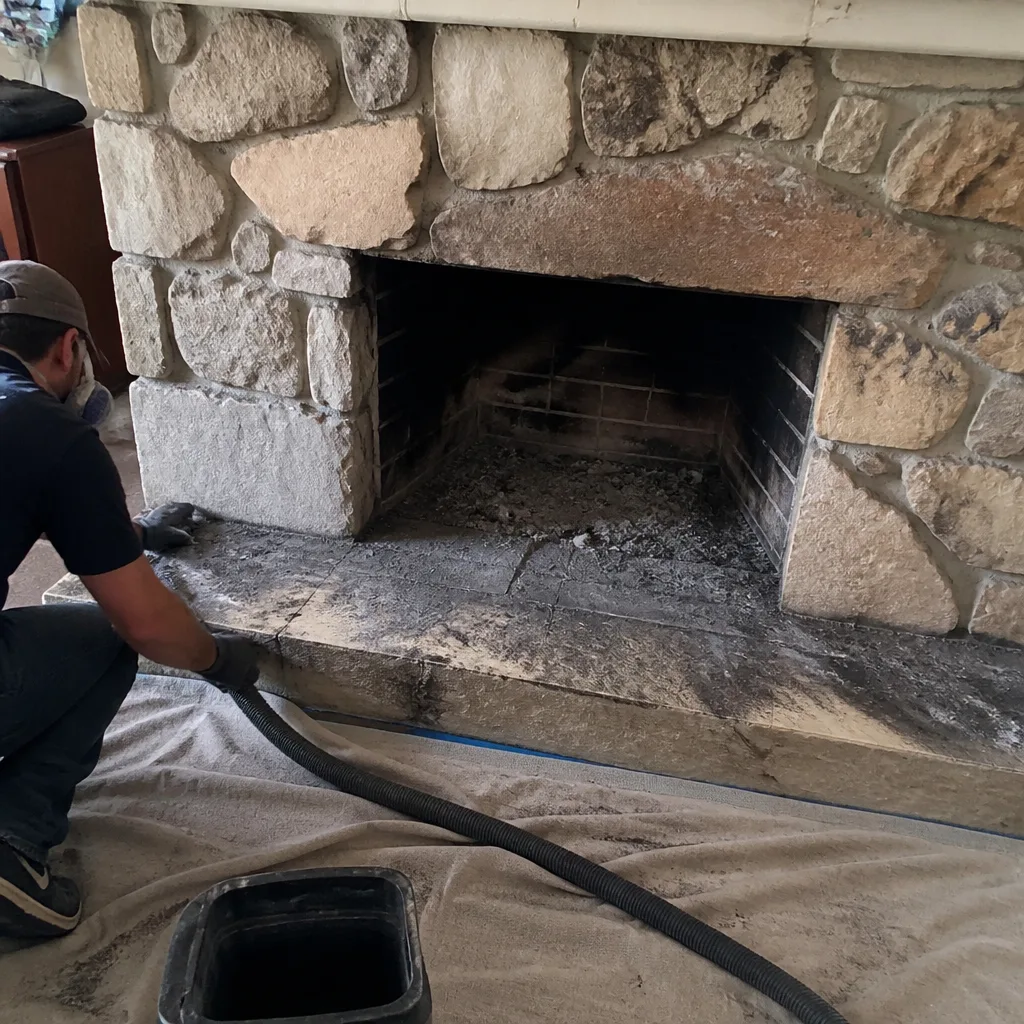
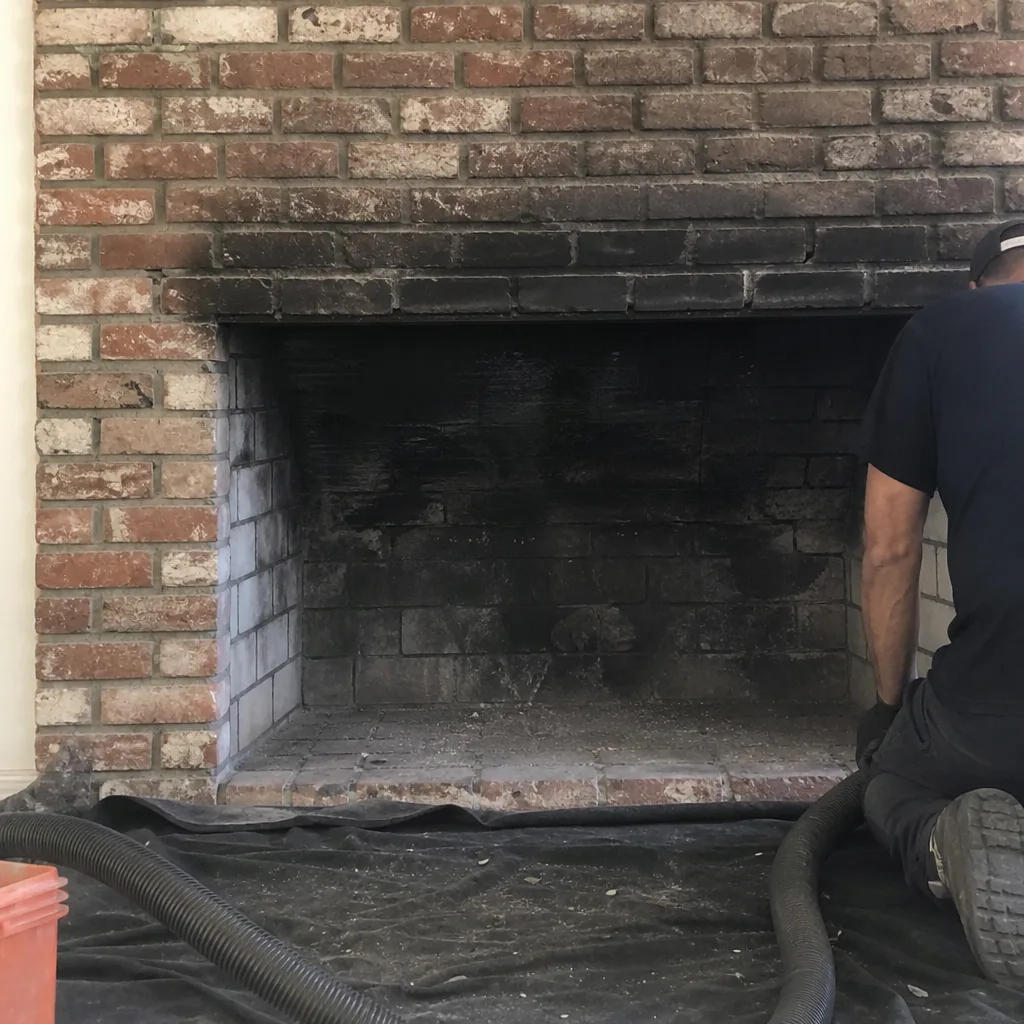 Before
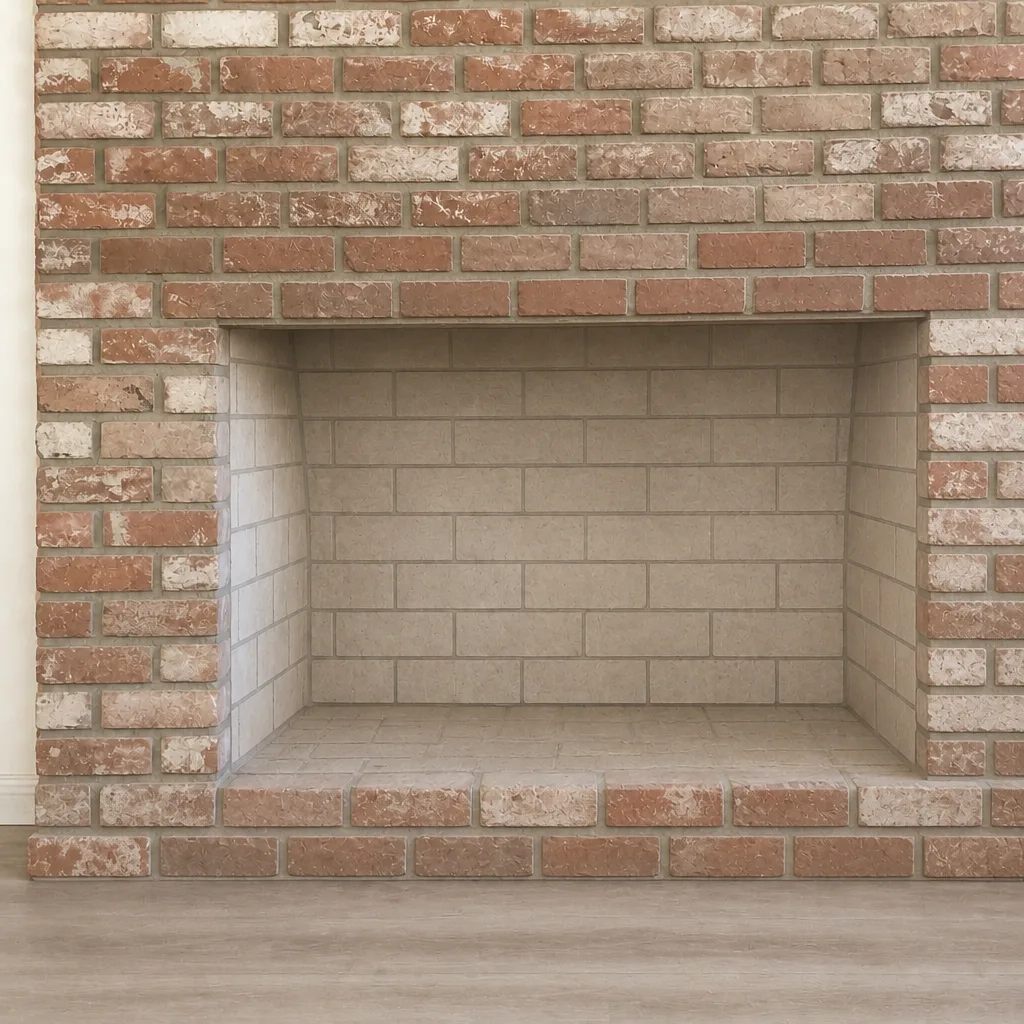 After
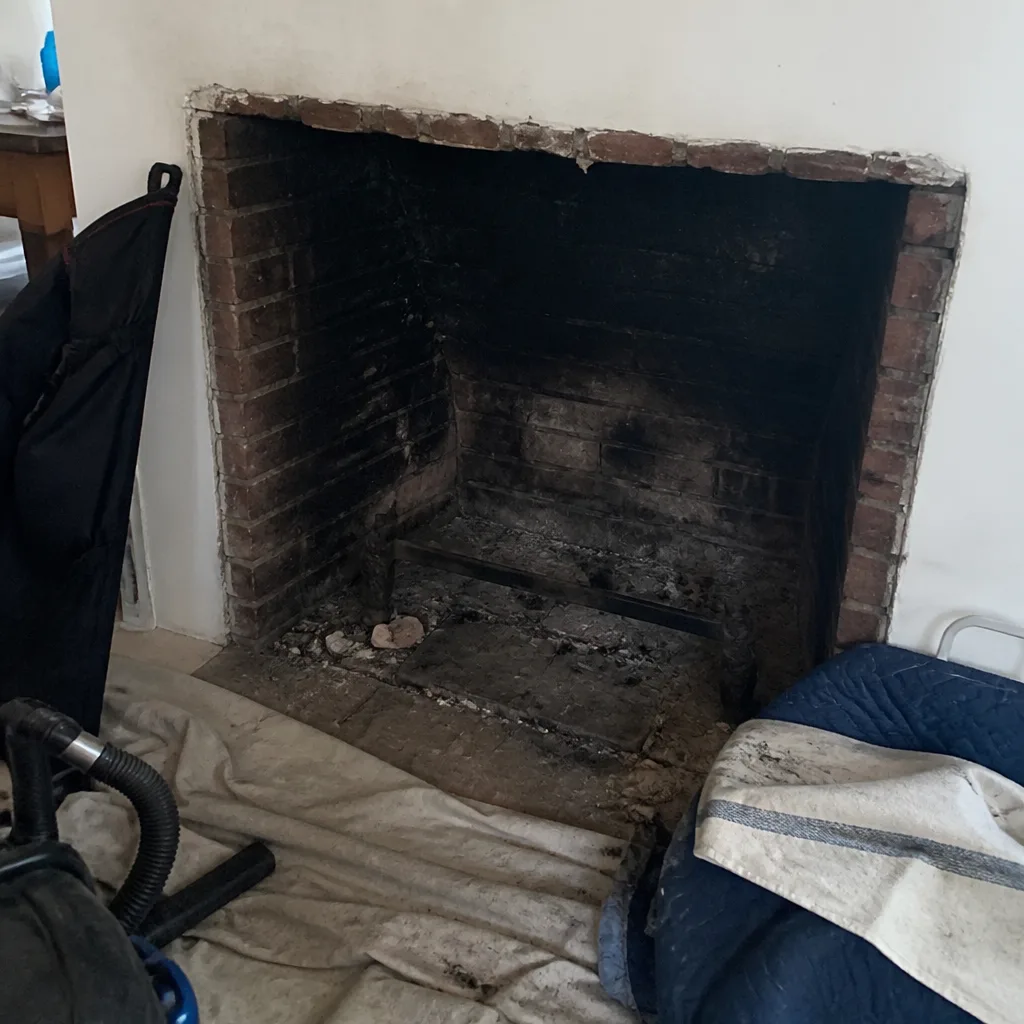 Before
 After
 Before
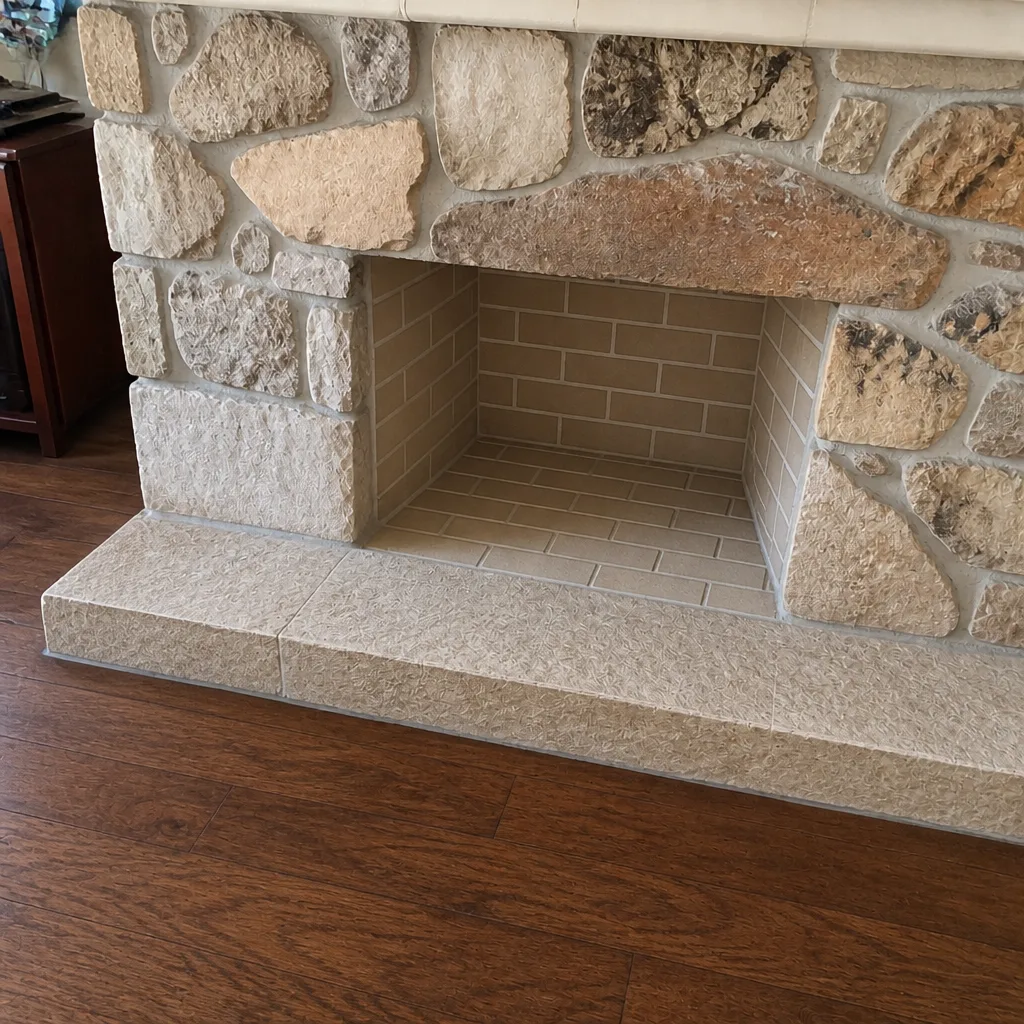 After