
Last updated November 4, 2026
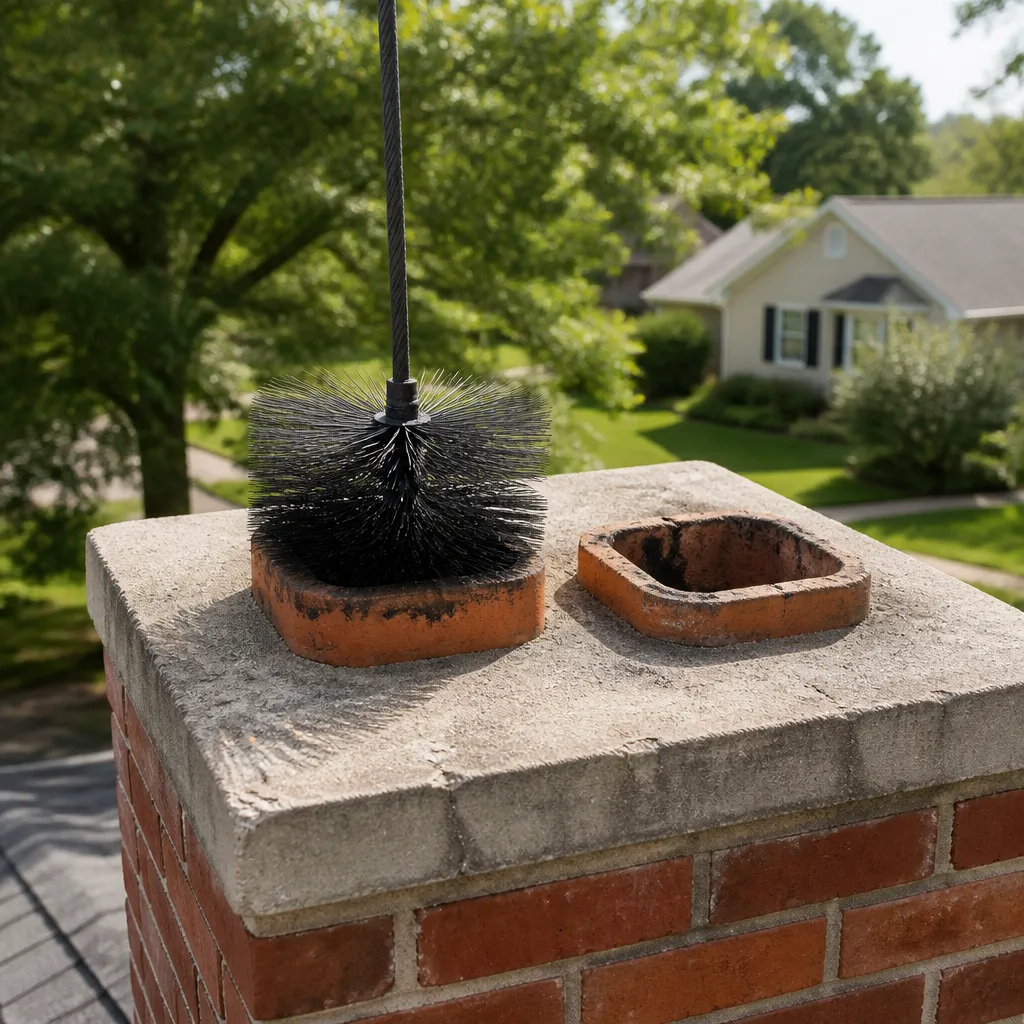 Sweep & inspection
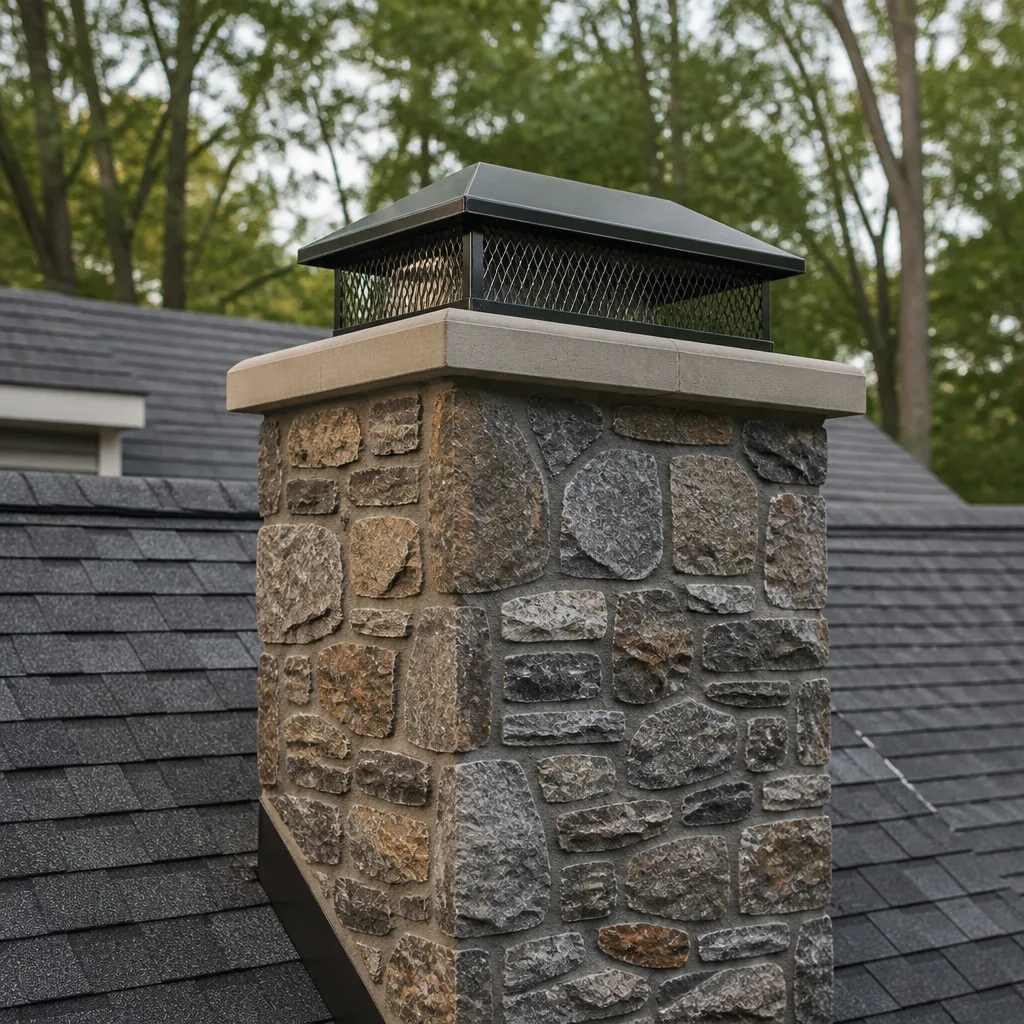 Caps & crowns
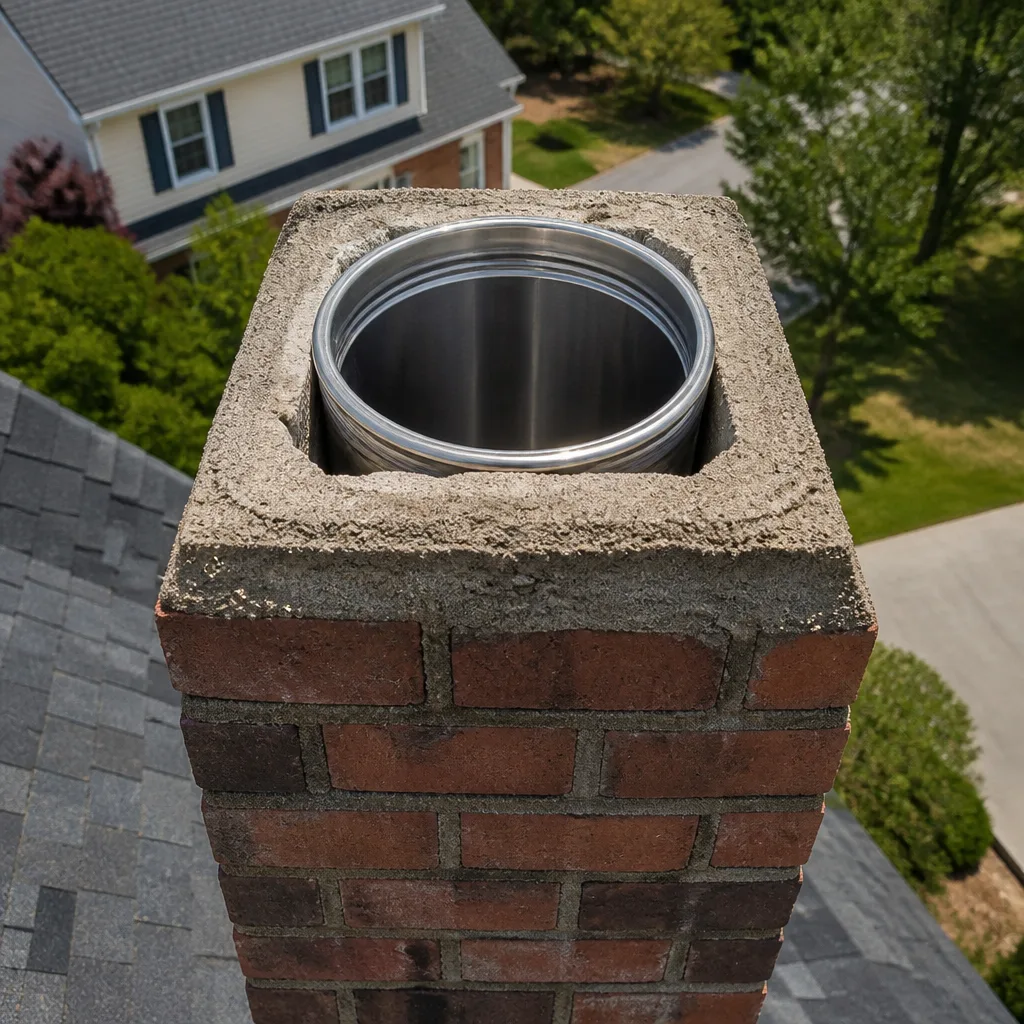 Flue relining
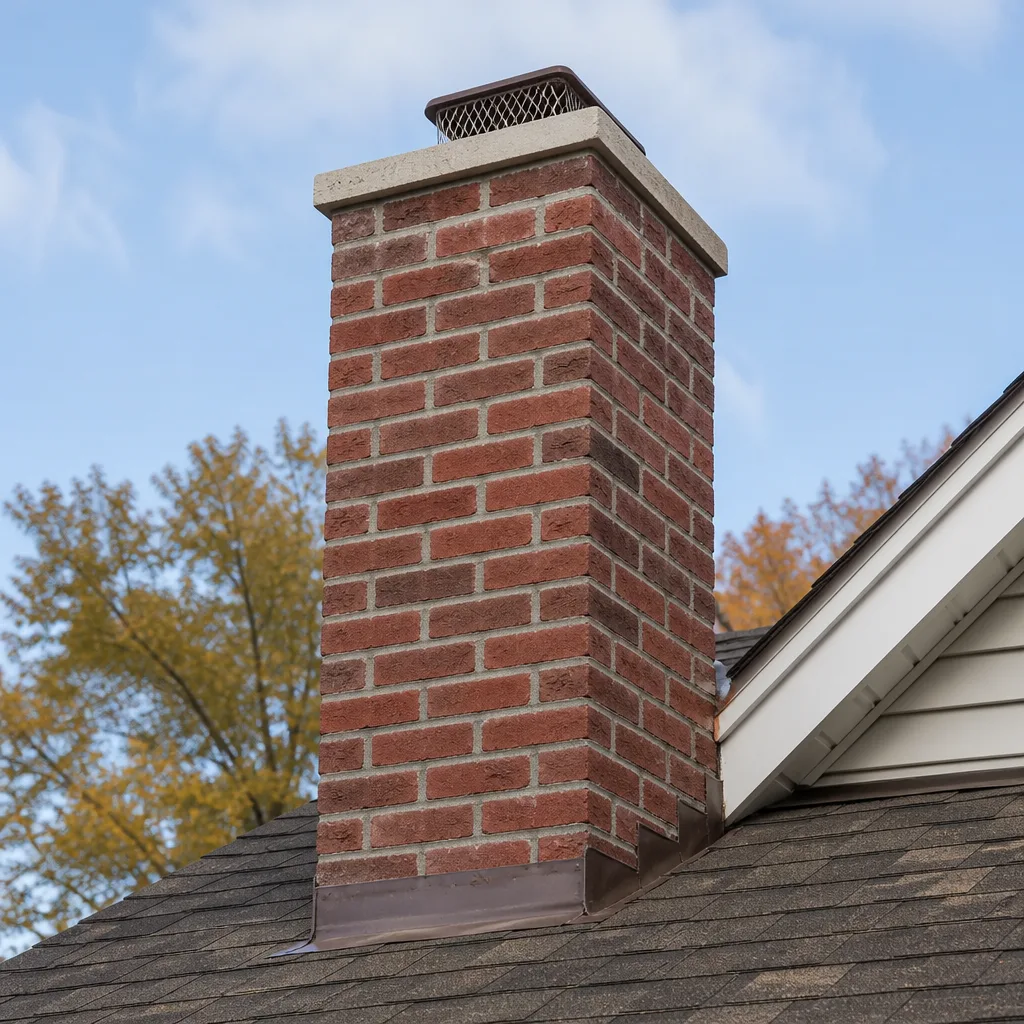 Masonry repair
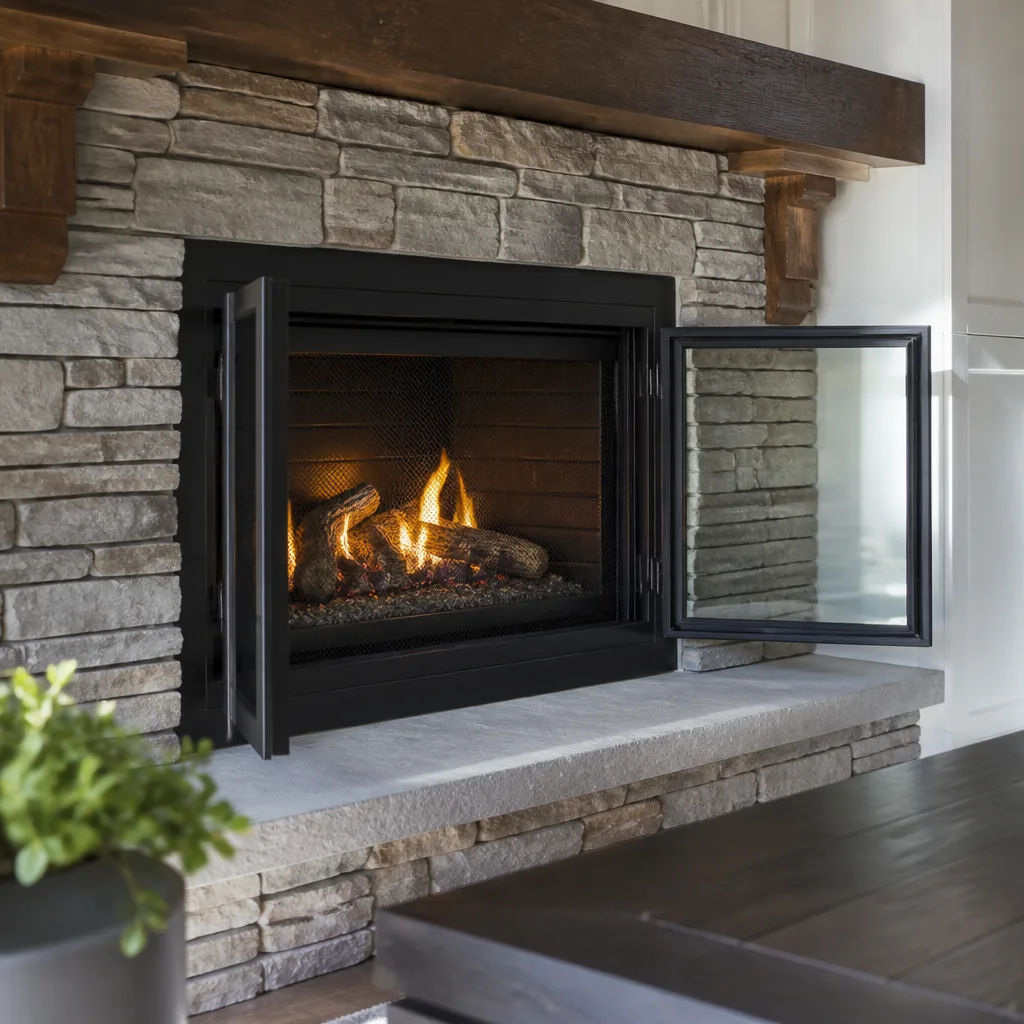 Gas fireplace service
Level 1 sweep and inspection to the NFPA 211 annual standard - flue, crown, cap, and flashing checked and photographed
Chimney sweep logs do not sweep chimneys. They loosen some creosote - which then falls where a brush and vacuum still have to collect it.
Chimney Sweep Maintenance Checklist for Hollywood Hills Homeowners
If your chimney maintenance checklist starts with “schedule your annual sweep in September,” it was written for someone in Connecticut. In Hollywood Hills, the trigger for chimney care isn’t the month on the calendar. It’s what just happened to your home and the canyon around it. A wind event through the Cahuenga Pass, the first real rain after a dry stretch, ten evenings of fires in a row – these are the moments that actually determine what your flue needs. This guide lays out a maintenance system built around those triggers, because a chimney in Hollywood Hills doesn’t age on a timetable. It ages on events.
Quick Answer
A Hollywood Hills chimney needs cleaning after roughly 50 to 70 burn hours, not once a year on a set date, and it needs an exterior inspection after every major wind or rain event. Homeowners can safely do the visual checks themselves, but any interior assessment, liner evaluation, or documentation of deterioration requires a camera and a trained eye. The real maintenance checklist is a decision tree: what happened, what you used, and what you saw.
Styles & brands we work with
- Sweep & inspection
- Caps & crowns
- Flue relining
- Masonry repair
- Gas fireplace service
Table of Contents
- Usage-Based Triggers: Burn Hours, Not Calendar Months
- Post-Wind-Event Inspection for the Crown, Cap, and Spark Arrestor
- Post-Rain Checks for Hillside Homes: Efflorescence, Mortar Wash, and Liner Condensation
- Exterior Checkpoints You Can Safely Do Yourself
- What Requires a Camera and a Trained Eye
- Documenting Chimney Condition Over Time
- How Hollywood Hills Climate Patterns Shape Your Maintenance Schedule
- Common Mistakes to Avoid
- When to Call a Professional
- Frequently Asked Questions
Usage-Based Triggers: Burn Hours, Not Calendar Months
The most useful number a Hollywood Hills homeowner can track isn’t a date. It’s how many hours the fireplace has actually been burning. A flue accumulates creosote and soot based on combustion time, wood type, and burn temperature. A family that lights a fire three nights a week from November through February has a very different chimney than a neighbor who uses the fireplace twice on holiday weekends. The calendar treats them the same. The flue doesn’t.
In our experience, a cleaning is worth scheduling once you’ve logged somewhere in the range of 50 to 70 burn hours. That’s a guideline, not a hard rule. A fireplace that burns mostly seasoned hardwood at a healthy temperature will be cleaner at the 70-hour mark than one that burns a lot of softwood, construction scraps, or slightly damp fuel. If you’re not sure what you’ve been burning, err toward the lower end of the range. Here’s a simple tracking method:
- Count the evenings, not the hours. An average evening fire runs 2 to 3 hours. That means 50 to 70 burn hours is roughly 20 to 25 evenings of use.
- Note the wood type. Seasoned oak or almond burns cleaner than pine or miscellaneous wood. Softwood pushes creosote buildup faster.
- Watch for performance changes. Smoke backing into the room, a sluggish draw, or a smell that lingers after the fire is out all signal that a cleaning is due regardless of how many hours you’ve logged.
- Schedule the sweep when you hit the threshold. Don’t wait for a date on the calendar. A chimney sweep appointment scheduled when the flue actually needs it keeps the system efficient and safe.
Why does this matter more in Hollywood Hills than in a colder climate? Because hillside homeowners in Southern California use fireplaces recreationally and sporadically. You might go three weeks without a fire, then light one every night during a cool streak. That irregular pattern produces irregular buildup. The homeowner who waits for a fall appointment may already be burning against a significant creosote layer by the time the sweep happens.
Post-Wind-Event Inspection for the Crown, Cap, and Spark Arrestor
Santa Ana winds are the single most underrated force acting on Hollywood Hills chimneys. A sustained wind event through the canyons doesn’t just rattle windows. It stresses the exposed masonry and metal components at the top of your chimney. After a significant wind event, walk out to where you can see the top of the chimney and check three specific things. This takes five minutes and a pair of binoculars if you have them.
The crown. The concrete or mortar slab that caps the chimney is your first line of defense against water intrusion. Wind doesn’t damage a crown directly the way it damages a cap, but it does expose existing problems. Look for cracks, spalling, or areas where the crown appears to have pulled away from the flue tile. A crown that was already compromised will show it more clearly after the wind has worked on it.
The cap and spark arrestor. The metal assembly that sits over the flue opening takes the brunt of wind-driven debris. Check whether it’s still seated level. Look for dents, loose screws, or a spark arrestor mesh that has been torn or pushed inward. A damaged spark arrestor is more than a cosmetic issue. In hillside wildfire conditions, the mesh exists to stop embers from leaving your flue. A torn arrestor defeats that purpose.
Debris accumulation. Wind events in Hollywood Hills carry a lot of material: leaves from canyon oaks, palm fronds, dust, and occasionally small branches. Any of these can land on the cap or lodge against the spark arrestor mesh. If you see material resting on the cap, it may be blocking airflow. If you see material inside the mesh, it’s time to call for a look.
One caveat: if the only way to inspect the crown or cap is to get on the roof, don’t. A hillside roofline with any pitch at all is not the place for a homeowner to improvise. Use binoculars from the ground. If you can’t get a clear view, that’s exactly what the professionals are for.
Post-Rain Checks for Hillside Homes: Efflorescence, Mortar Wash, and Liner Condensation
Rain is rare enough in Hollywood Hills that each event reveals something. The first significant rain after a dry stretch does more diagnostic work than any inspection because it shows exactly where water is entering or lingering in a chimney system. After a real rain event, there are three things worth checking at the exterior and one thing worth noticing inside.
Efflorescence. This is the white, chalky deposit that appears on masonry when water moves through it. As the water evaporates, it leaves mineral salts on the surface. Efflorescence on the chimney exterior means water is penetrating the masonry somewhere. On a hillside home, this is worth taking seriously. The chimney may be exposed to more wind-driven rain than a flat-land house, depending on how it sits relative to the slope.
Mortar wash. After rain, look for mortar particles or grit that have washed down onto the roof, into the gutter, or onto the ground at the chimney base. This is a sign that the mortar joints are actively eroding. Water moving through eroded joints accelerates the cycle, so each rain event makes the next one worse.
Liner condensation signs inside. This one shows up in the firebox, not on the exterior. After a rain, check the firebox floor and walls for dark staining or a damp smell. In an unlined or deteriorated-liner chimney, moisture can work its way through the masonry and condense inside. That moisture carries creosote with it, which is why it often leaves a dark stain. If you notice this, the liner needs a professional assessment. A system like HeatShield can restore a damaged liner without a full reliner in many cases, but you need a camera to know what you’re dealing with.
Hillside drainage compounds all of this. Water doesn’t pool around a chimney on a slope the way it might on a flat lot, but runoff moves faster and finds more paths. A chimney near a canyon edge gets more direct weather exposure than one tucked against a hillside. Pay attention to where your chimney sits relative to the slope and treat rain as the diagnostic event it actually is.
Exterior Checkpoints You Can Safely Do Yourself
There’s a decent amount of chimney maintenance a Hollywood Hills homeowner can handle without calling anybody. The line is simple: if you can see it clearly from the ground with a pair of binoculars, you can check it. If checking it would mean getting on a ladder or the roof, that’s a job for someone with the right equipment and training. Here are the exterior items worth putting on your own checklist, in order of priority.
- Cap and spark arrestor presence. Is the cap still there, and is it seated straight? Missing or tilted caps are the most common exterior problem we see after wind events.
- Spark arrestor mesh condition. Look for rips, sags, or gaps where the mesh meets the cap frame. In canyon country, this matters for ember control.
- Crown surface. Look for visible cracking, crumbling edges, or areas where the crown surface looks uneven or pitted.
- Mortar joints. Can you see any joints that look recessed or missing compared to their neighbors? Mortar erosion shows as shadow lines or visible gaps between bricks.
- Brick face condition. Spalled brick shows up as flaking faces or pieces of brick on the ground below the chimney. Check the base area after you check the brick.
- Flashing contact. Where the chimney meets the roofline, look for gaps, lifted metal, or missing sealant. You may need to be at a distance to see this clearly.
- Vegetation proximity. Tree branches that touch or overhang the chimney drop debris onto the cap and add fire risk. In Hollywood Hills, canyon vegetation grows fast after rain.
If anything on this list looks wrong, document it with a photo and reach out. You don’t need to diagnose the problem from the ground. You need to notice it and get someone who can look properly.
What Requires a Camera and a Trained Eye
There’s a hard limit to what any homeowner can assess from the ground or even from inside the firebox looking up. The interior of a flue is dark, irregular, and inaccessible without specialized equipment. These are the items that require a camera inspection and a trained eye, and they’re also the items that determine whether your chimney is actually safe.
Creosote thickness and type. Creosote isn’t uniform. It ranges from a dusty soot that brushes off easily to a hardened, tar-like glaze that requires mechanical removal. The type and thickness determine the cleaning method and how urgent the work is. A camera tells the story in about thirty seconds.
Flue liner condition. Cracked clay tiles, gaps between liner sections, or a liner that has begun to deteriorate all affect how heat and combustion gases move through the chimney. A damaged liner is both a fire risk and a carbon monoxide risk. In our experience, Hollywood Hills homes built before modern liner standards often have original clay liners that have never been assessed. A camera inspection shows exactly what’s there.
Blockages and obstructions. Nests, debris, collapsed liner material, or even forgotten chimney cleaning equipment can obstruct a flue. A partial obstruction changes the draft and pushes smoke back into the home. A camera finds it immediately.
Hidden water intrusion paths. Surface efflorescence tells you water is entering somewhere. A camera inspection can often show where the interior wall is saturated or where condensation is collecting, which narrows the repair to the right spot.
This is why Carlton Chimney Sweep treats the camera inspection and photo documentation as standard practice, not an add-on. You shouldn’t have to take anyone’s word about what’s inside your flue. You should see it. When a recommendation is made, the pictures should be right there to support it.
Documenting Chimney Condition Over Time
The single biggest advantage a diligent homeowner has is a photographic record. A chimney that gets inspected once every few years only ever shows a point-in-time snapshot. A chimney photographed after every rain event, every wind event, and every sweep shows a trend. That trend is what allows a good sweep to catch deterioration early instead of discovering it after it’s advanced.
Here’s a simple documentation routine that costs nothing and takes minutes:
- Photograph the chimney exterior from the same two or three angles each time. Use the same spots in your yard or on your deck. Consistency matters more than photo quality.
- Photograph the firebox interior after every major rain event. Staining that appears and grows over successive rains tells a story a single photo can’t.
- Keep a simple log. Note the date, what you observed, and any photos taken. A notes app works fine. The goal is continuity, not formatting.
- Request photos from your sweep. Any professional chimney company should provide interior camera footage or stills. File these with your own records. Over several years, you’ll have a real archive.
- Bring the archive to your next inspection. When a sweep can compare this year’s interior against last year’s, the diagnostic quality of the visit improves significantly.
This practice is especially valuable for hillside homes in Hollywood Hills, where exposure patterns vary dramatically from one property to the next. Two chimneys on the same street can have completely different histories depending on how they face the canyon. Your documentation is the only way to establish what normal looks like for your specific chimney.
How Hollywood Hills Climate Patterns Shape Your Maintenance Schedule
Hollywood Hills winters don’t freeze, and that changes the maintenance conversation. In colder climates, chimneys suffer from freeze-thaw cycling, ice, and snow load. None of that applies here. What Hollywood Hills chimneys actually face is a different set of forces: prolonged dry spells punctuated by occasional heavy rain, seasonal wind patterns, and the constant background presence of dry canyon vegetation.
The dry season, which runs for most of the year, is hard on masonry in a subtle way. Dry conditions don’t crack brick directly, but they harden creosote and make any existing mortar erosion easier to see. When rain does come, often in concentrated bursts, it moves through whatever gaps have developed during the dry stretch. This alternating cycle of dry hardening and wet intrusion is the primary weathering mechanism for chimneys in this climate.
Wind is the other seasonal force. Santa Ana events typically arrive in fall and early winter, but canyon wind can happen any time. Each significant wind event is an opportunity to check the cap, crown, and spark arrestor. If you only check these components once a year, you’re likely to miss damage for months, and in that time, water or embers have a way in.
The practical upshot is a maintenance rhythm that follows the weather, not the calendar. Check the exterior after wind. Check for moisture signs after rain. Track burn hours during fireplace season. This event-driven approach catches problems closer to when they actually occur, which means smaller fixes and fewer full replacements.
Common Mistakes to Avoid
- Waiting for a calendar date. Hollywood Hills chimneys don’t accumulate creosote on a schedule. Waiting for fall to schedule a sweep can mean burning against a season’s worth of buildup that started months earlier. Track usage and call when the burn-hour threshold arrives.
- Ignoring the spark arrestor until it fails visibly. A torn or loose spark arrestor mesh is a wildfire-season liability in Hollywood Hills. It doesn’t need to be fully detached to be unsafe. Check it after every major wind event.
- Skipping documentation between professional visits. A chimney that gets inspected once every few years only ever shows a snapshot. Without a photographic record, slow deterioration is invisible until it becomes an expensive problem. Take photos from the same angles after every rain and wind event.
- Burning unseasoned or salvaged wood. Wood that hasn’t dried properly produces more creosote per burn hour than seasoned hardwood. In an area where firewood may come from varied sources, this is one of the fastest ways to foul a flue.
- Treating dryer vents as unrelated. The chimney and the dryer vent are both part of the home’s ventilation system, and a dryer vent cleaning is a fire-risk reduction measure that belongs in the same maintenance conversation. Homes with active fireplaces often run dryers heavily too, and lint buildup is its own fire hazard.
- Assuming the liner is fine because the chimney draws well. A deteriorating liner can still let smoke rise while allowing heat and gases to reach surrounding masonry. Draft quality is not proof of liner integrity. Only a camera inspection confirms it.
- Getting on the roof for a closer look. Hillside rooflines are unforgiving. A homeowner with binoculars can see most of what matters from the ground. If the view isn’t clear enough, that’s the signal to call a professional, not to climb.
When to Call a Professional
There are times when the right move is a phone call rather than a pair of binoculars. If you’ve noticed smoke backing into the room, a persistent smell after fires are out, visible efflorescence that keeps returning after rain, or debris you can’t identify lodged in the cap, get a trained set of eyes on it. Any sign of moisture inside the firebox after rain also warrants a professional look. If your liner has never been camera-inspected, and your home is an older Hollywood Hills build, that’s reason enough to schedule one. These aren’t emergencies in the moment, but they’re all conditions that get more expensive the longer they wait. Carlton Chimney Sweep offers free estimates and serves homeowners throughout Hollywood Hills. Call (855) 731-2852 and we’ll show you what we found and why it matters.
Frequently Asked Questions
A chimney in Hollywood Hills should be swept every 50 to 70 burn hours, which for most households works out to once per heating season or once every 12 to 18 months depending on how regularly the fireplace is used. Homes that burn softwood or unseasoned wood may need more frequent cleaning. Call (855) 731-2852 for a free estimate and an honest assessment of your usage pattern.
After a Santa Ana event, check the cap and spark arrestor for dents, tears, or shifting, check the crown for new cracking or spalling, and look for debris lodged against the spark arrestor mesh. Use binoculars from the ground rather than climbing onto the roof. If anything looks wrong, schedule an inspection rather than waiting to see if the problem worsens.
A visual sweep covers accessible surfaces, but a camera inspection shows the full interior of the flue, including liner condition, creosote type, and hidden blockages. For an older Hollywood Hills home especially, a camera inspection is the only way to know whether the liner is intact. A reputable sweep will provide photos as part of the documentation so you can see exactly what the camera saw.
Efflorescence itself is a cosmetic deposit, but it indicates that water is moving through the masonry. On a hillside home, that water movement may be driven by wind-driven rain or drainage patterns specific to your lot. Treat efflorescence as a signal to inspect the crown, flashing, and mortar joints, not as a problem to ignore until it becomes structural.
You won’t know by looking at the outside of the chimney. A camera inspection is the only way to assess liner condition. If the camera shows cracking, gaps, or deterioration, a restoration system like HeatShield can sometimes rehabilitate the liner without a full reliner. A flexible liner system such as DuraFlex is a strong option for older or irregular flue configurations. The choice depends on what the camera reveals, and a good technician will show you the footage before recommending anything.
Yes, because both are part of your home’s ventilation system and both are fire risks when neglected. A clogged dryer vent is a leading household fire hazard, and it’s a natural add-on to the same inspection visit that covers the fireplace. Addressing both at once gives you a complete picture of your home’s exhaust systems.
The Bottom Line
Chimney maintenance in Hollywood Hills isn’t a fixed annual ritual. It’s a habit of paying attention to what your home and the weather are telling you. Track your burn hours. Check the exterior after wind and rain. Photograph what you see and keep a record. Let a professional with a camera handle everything you can’t see from the ground. When maintenance follows events instead of dates, problems surface early, repairs stay small, and the fireplace keeps doing its job without turning into a hazard. That’s the whole system. Clean flue, safe home.
Written by the team at Carlton Chimney Sweep, serving Hollywood Hills since 2015.
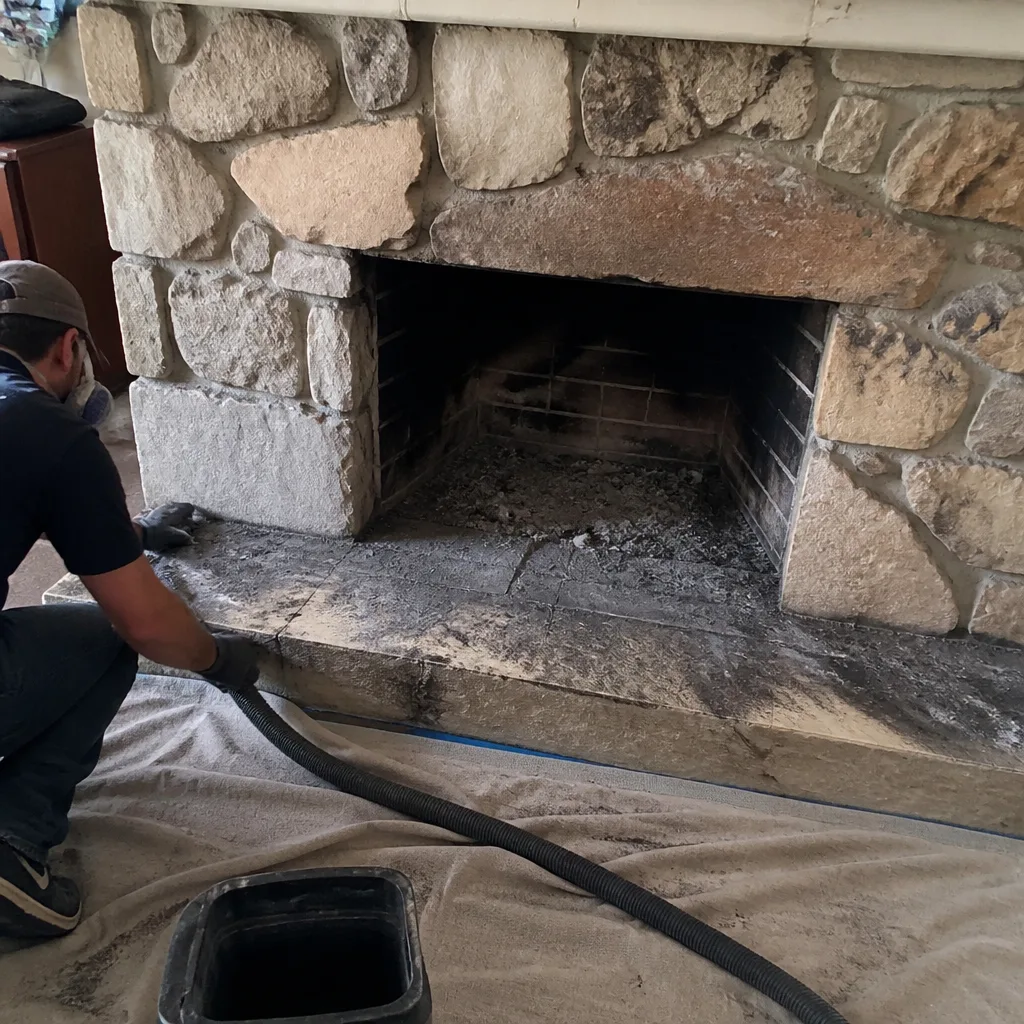
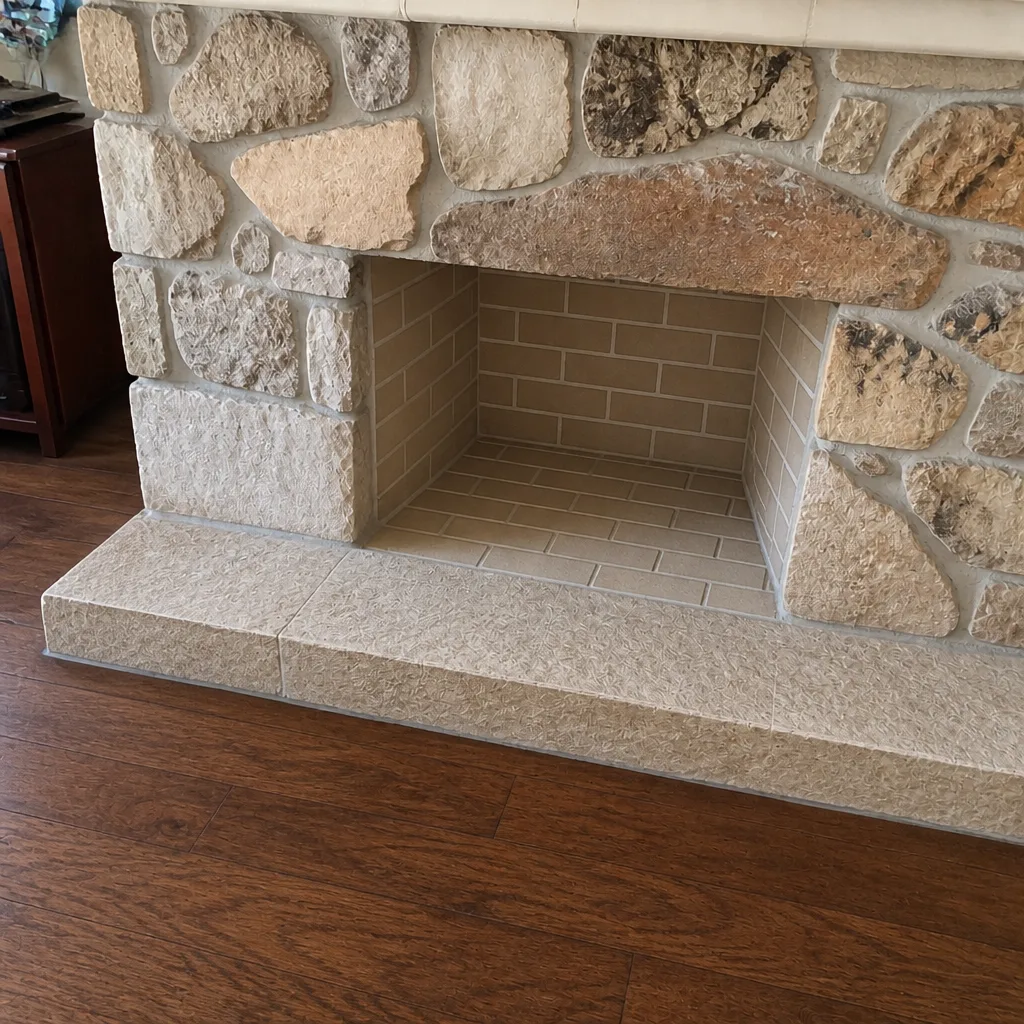
See the difference
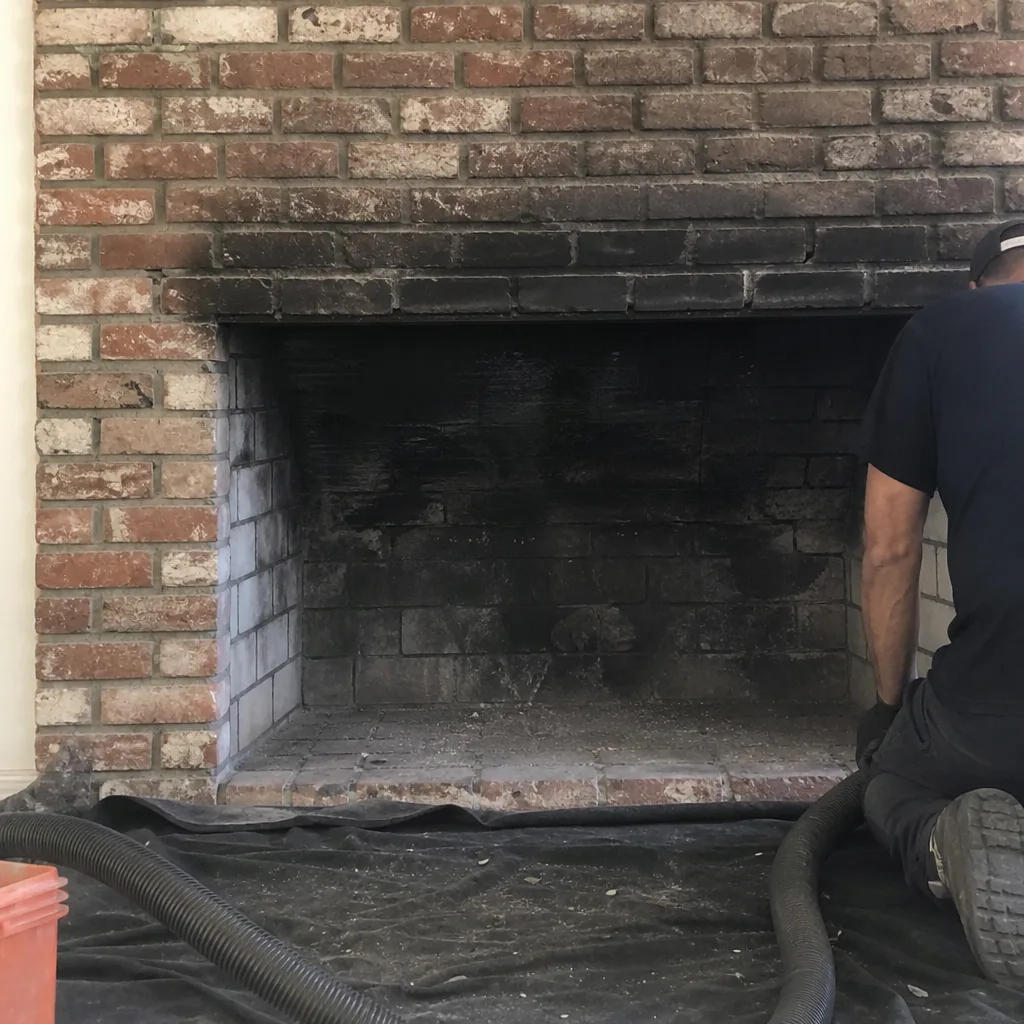 Before
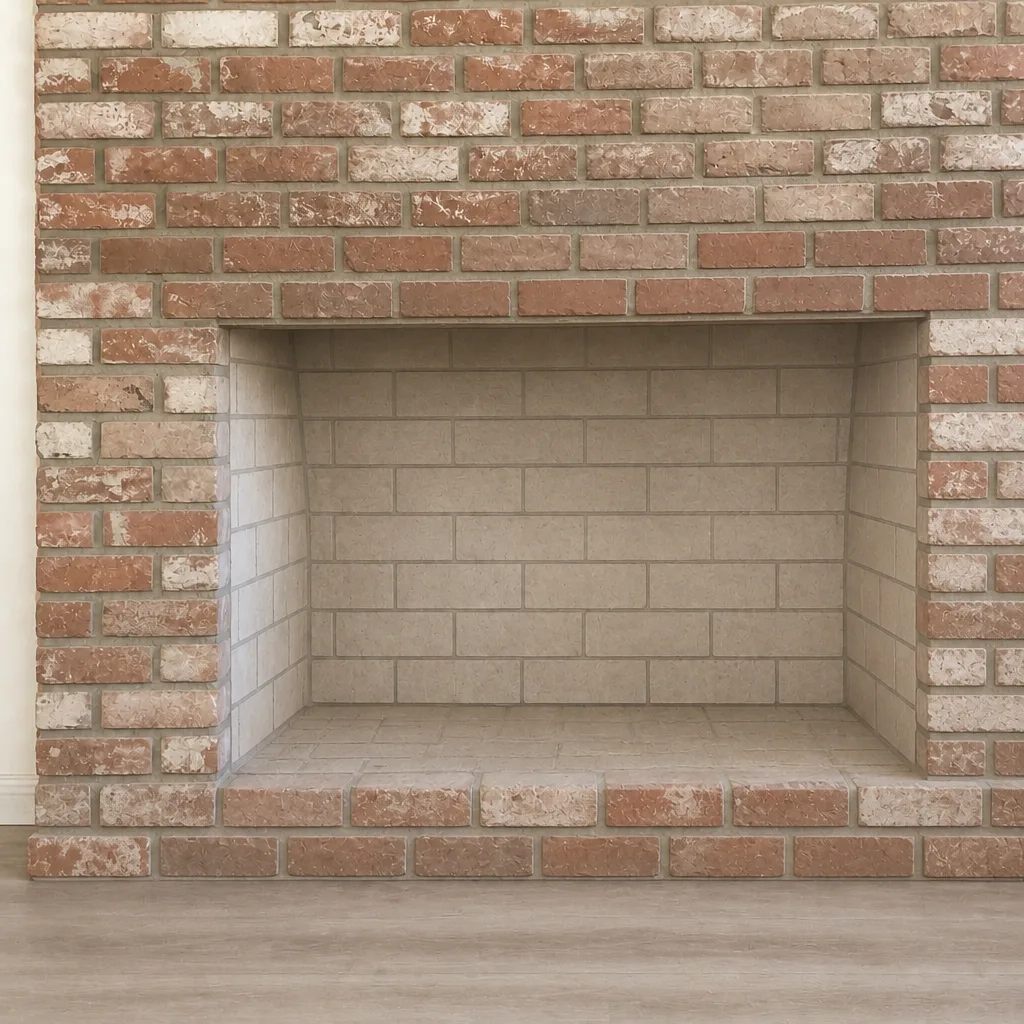 After
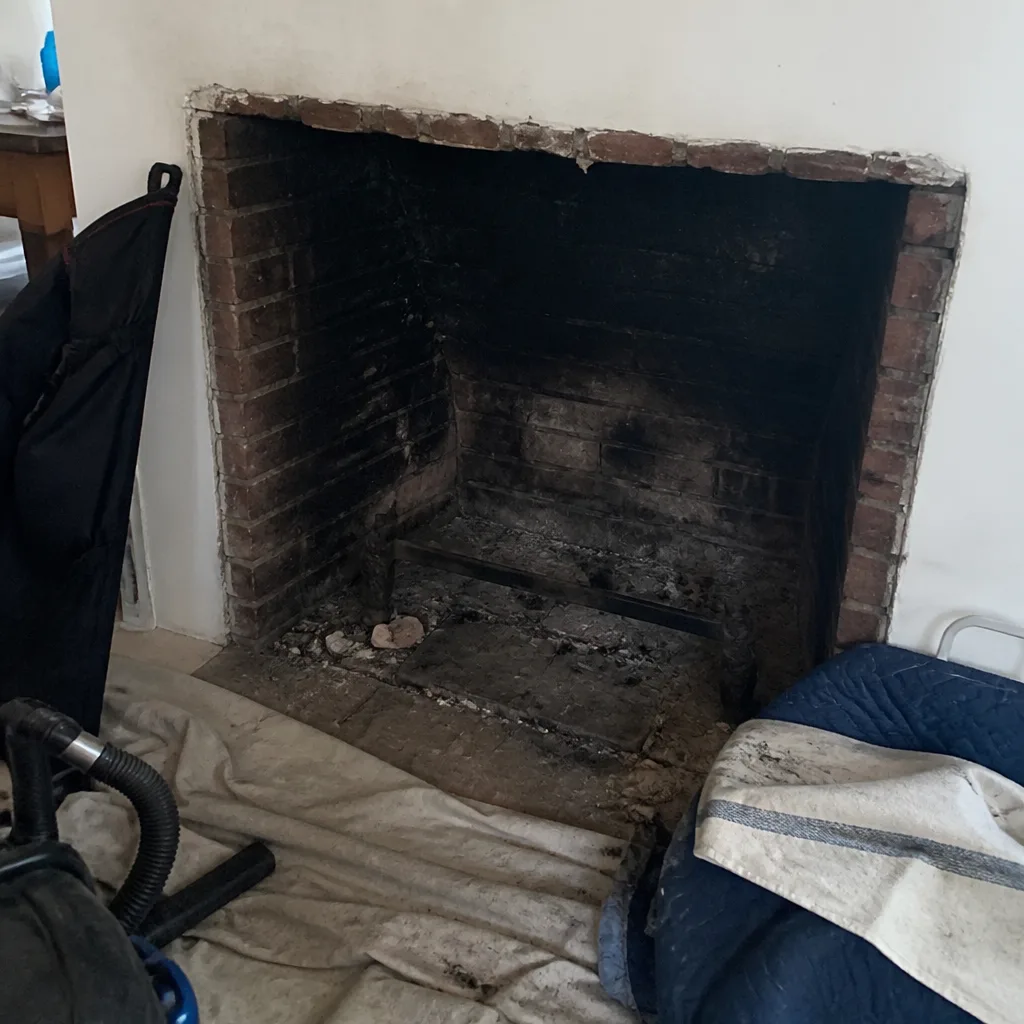 Before
 After
 Before
 After