
Last updated November 4, 2026
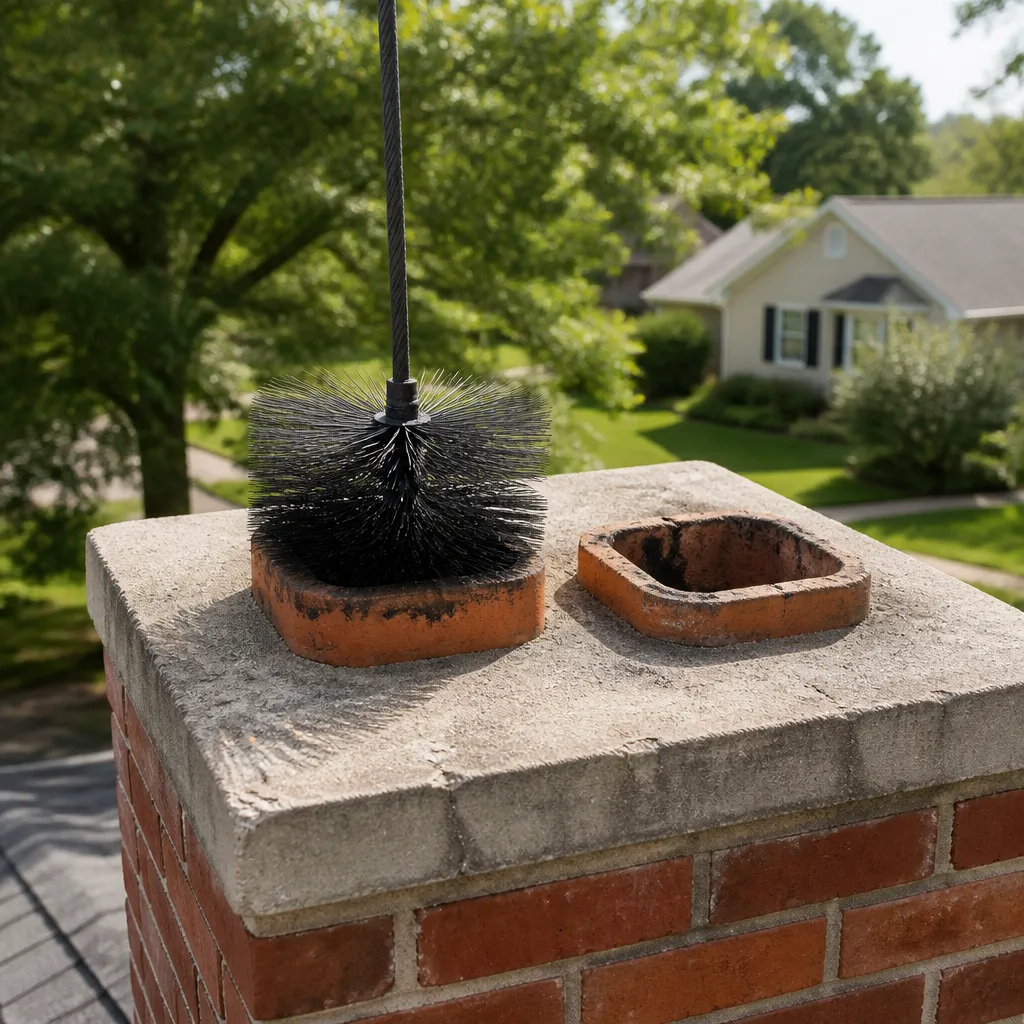 Sweep & inspection
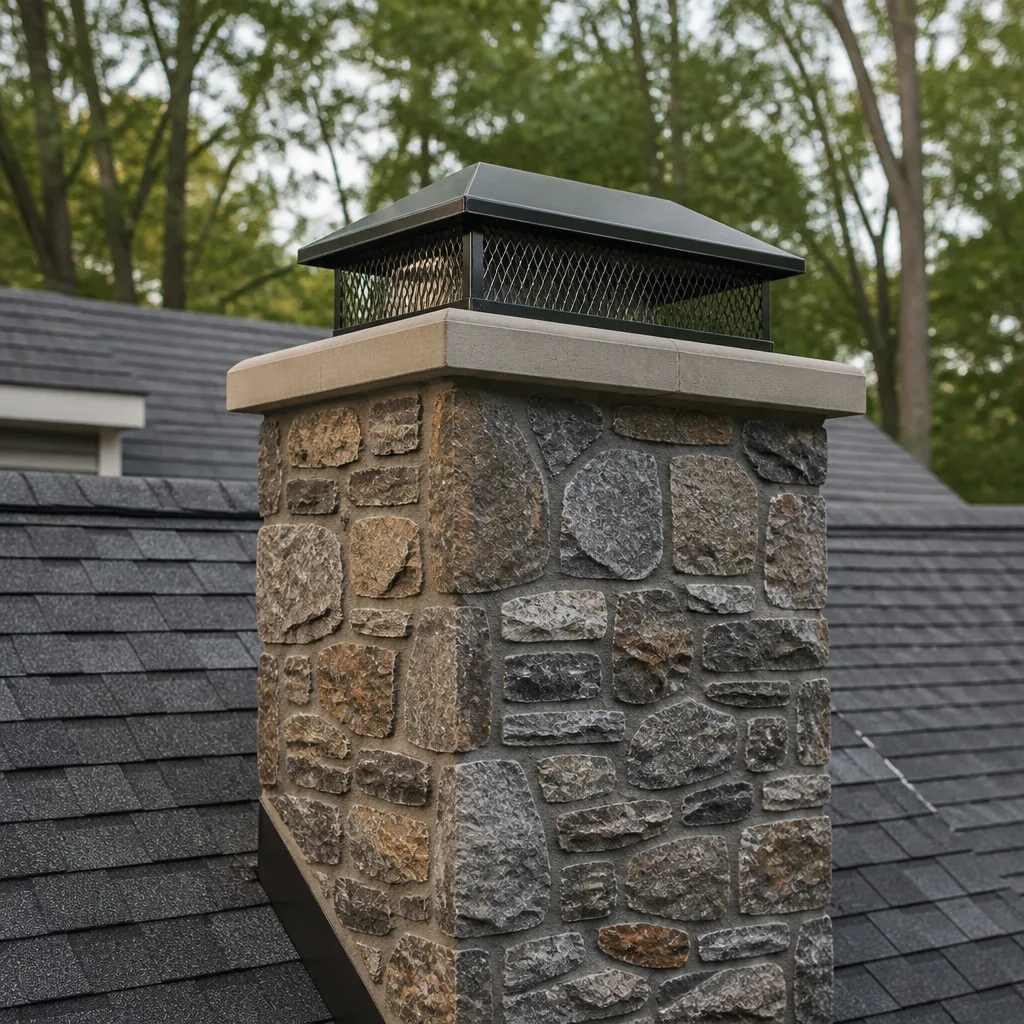 Caps & crowns
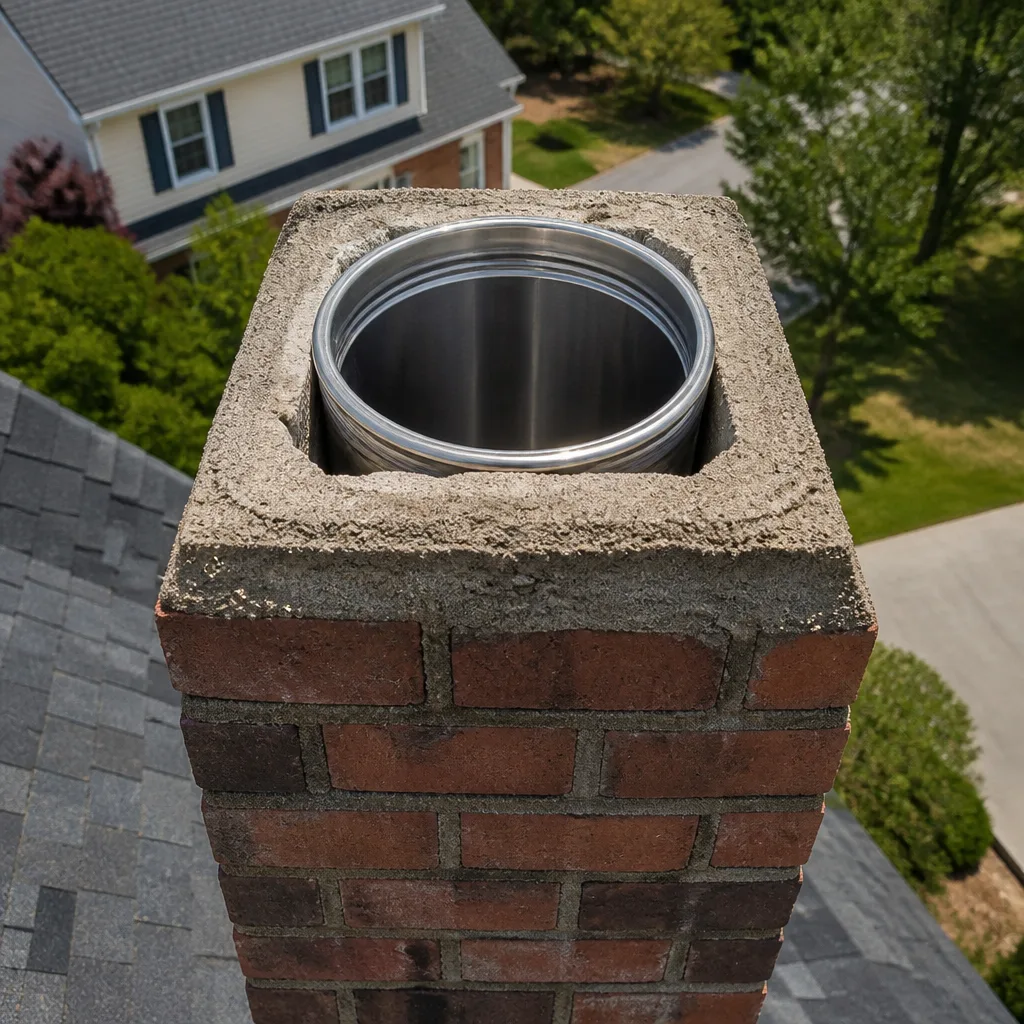 Flue relining
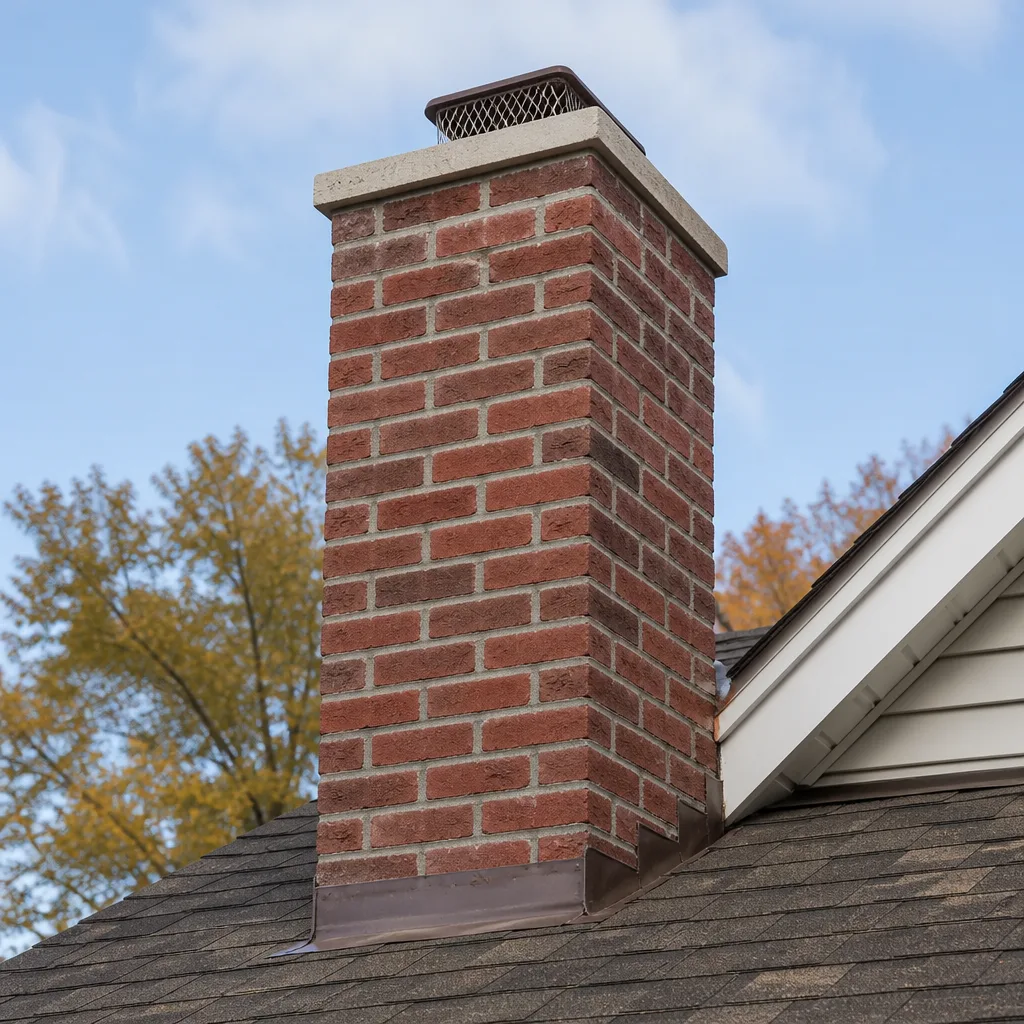 Masonry repair
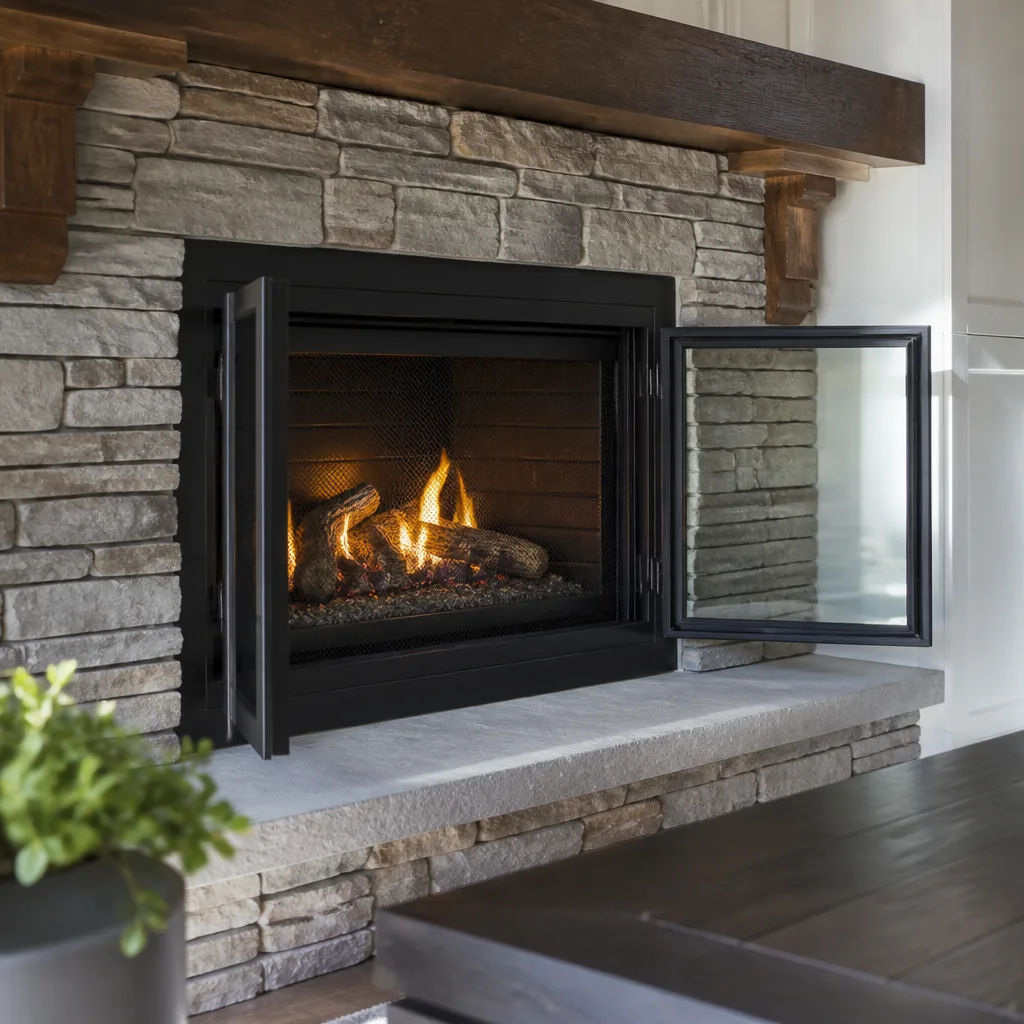 Gas fireplace service
Level 1 sweep and inspection to the NFPA 211 annual standard - flue, crown, cap, and flashing checked and photographed
Chimney sweep logs do not sweep chimneys. They loosen some creosote - which then falls where a brush and vacuum still have to collect it.
Chimney Sweep Troubleshooting in Hollywood Hills: Common Problems and How to Fix Them
A smoky firebox in Hollywood Hills is rarely about dirty flue tiles. In canyon homes especially, it’s usually a draft-pressure problem that no amount of sweeping will solve. Most chimney issues we see trace back to three root causes specific to this environment: marine-layer moisture, canyon-draft physics, and older Spanish-revival construction. This guide walks through each problem, how to identify it from the behavior of your fireplace, and which fixes actually work. You’ll learn what you can safely inspect yourself, what to leave alone, and when a professional is the only sensible call. We’ll also cover the difference between a cap problem and a liner problem using smoke behavior alone, so you don’t spend money on an inspection before you know what you’re looking at.
Styles & brands we work with
- Sweep & inspection
- Caps & crowns
- Flue relining
- Masonry repair
- Gas fireplace service
Quick Answer
Chimney problems in Hollywood Hills typically fall into three categories: draft failure caused by canyon wind pressure and open-plan home designs, moisture damage from marine-layer humidity, and structural wear in chimneys built between the 1930s and 1960s. The fix depends on which category you’re in. A new damper won’t fix a liner gap, and a sweep won’t fix a pressure problem. Carlton Chimney Sweep diagnoses the root cause first, then recommends the repair that matches the evidence, using professional-grade materials like HeatShield and Gelco rather than hardware-store substitutes.
Table of Contents
- Draft Problems: Why Smoke Comes Back Into the Room
- Marine-Layer Moisture and Creosote Glaze
- Masonry Cracking in 1930s – 1960s Homes
- Cap Problem or Liner Problem: Reading the Smoke
- When a New Damper Masks a Liner Gap
- The Dryer Vent Connection Most Homeowners Miss
- Common Mistakes to Avoid
- When to Call a Professional
- Frequently Asked Questions
- The Bottom Line
Draft Problems: Why Smoke Comes Back Into the Room
If smoke curls into the living room the moment you light a fire, your first instinct might be to book a chimney sweep. That’s reasonable. But in Hollywood Hills, a dirty flue is often the least of it. The canyons here create micro-pressure systems that national guides never mention. Wind moves through a canyon differently than across a flat suburban lot. It drops into the cut, swirls, and pushes down against the top of your chimney in ways that can defeat a perfectly clean flue.
Add to that the popularity of open-plan hillside homes. Wide-open living spaces with vaulted ceilings and kitchen vents create negative air pressure inside the house. When the range hood runs, or when a second-story window is open, the house literally pulls air down the chimney instead of letting it rise. The fire burns, but the smoke has nowhere to go except back into the room. We see this chronic backdraft pattern regularly in Hollywood Hills homes built into slopes.
The fix often isn’t a sweep. Here’s what we check:
- Damper position and type. A damper that doesn’t seat properly, or one that’s undersized for the flue, creates turbulence at the throat. That turbulence breaks the draft.
- Negative pressure sources. Range hoods, bathroom fans, and even a window cracked in an upstairs bedroom can reverse a marginal draft. We test draft with the house closed and with typical exhaust running.
- Flue height relative to the roofline and canyon rim. A chimney that’s too short for its position gets hammered by downdrafts. The 10-foot-3-foot rule matters less when a canyon wall is 15 feet behind the chimney cap.
The damper adjustment that fixes most of these cases is simple but specific: it’s not just opening the damper more. It’s setting the throat opening correctly for the flue diameter and ensuring the damper plate isn’t warped or blocking part of the passage. In some homes, a top-sealing damper is the better answer because it isolates the flue from pressure changes when the fireplace isn’t in use. But you only get to that decision after testing, not before.
Marine-Layer Moisture and Creosote Glaze
Hollywood Hills sits in a moisture band that most people don’t think about because winters are mild. The marine layer rolls in from the coast on summer mornings and lingers. It’s humid, cool, and it settles into canyons. That humidity does something specific to creosote: it accelerates the hardening of soft, flaky creosote into dense, tar-like third-degree glaze.
Normally, creosote builds up through combustion. The first stage is dusty and easy to remove. Second stage is flaky and still manageable. Third stage is a hard, shiny, baked-on glaze that a standard brush can’t touch. In a drier climate, reaching third-degree glaze typically takes years of neglect. In Hollywood Hills, the marine layer speeds the moisture-driven polymerization that turns creosote hard. We’ve removed glaze from flues that had only been used for two seasons.
Why it matters: glazed creosote is a fuel source, not just a blockage. It burns at high temperature and is the primary driver of chimney fires. And because glaze often forms unevenly in canyon microclimates, homeowners assume a “light dusting” on the visible part of the flue means the whole thing is fine. It isn’t. The upper third, where the marine-layer moisture condenses most, is often worse.
What fixes it:
- Professional mechanical removal. Glaze requires rotary chains or chemical treatment, not a standard sweep brush.
- Assessing liner condition after removal. Glaze can hide cracks and gaps that were never visible. Once it’s removed, the liner gets a real inspection.
- Addressing the moisture source. A chimney cap that keeps rain out but allows fog through doesn’t solve the problem. The cap needs to be sized for the flue and include proper screening.
If glaze is present, the right question isn’t “when was my last sweep” but “what’s my liner’s current condition.” We use camera inspection to document what’s actually there, so the recommendation is based on evidence you can see. No one should quote a liner repair without showing you the problem first.
Masonry Cracking in 1930s – 1960s Homes
A large share of Hollywood Hills homes were built between the 1930s and the 1960s. That’s Spanish-revival stucco, red tile roofs, and masonry chimneys that have been sitting on hillsides for 60 to 90 years. The construction was solid, but the soil moves. Hillside homes settle, and chimneys settle with them.
There are two cracking patterns to know. The first is stair-step cracking in the mortar joints. This follows the brick courses and usually signals differential settlement, meaning part of the chimney is moving at a different rate than the rest of the structure. It looks alarming but is often repairable with tuckpointing, provided the movement has stabilized. The second is vertical cracking through the bricks themselves, not just the mortar. That’s structural. It suggests the chimney has been under lateral stress, often from seismic movement over decades or from a footing that was never adequate for the slope.
In Hollywood Hills, we also see a pattern specific to hillside exposure: cracking concentrated on one side of the chimney. That’s the uphill side, where runoff and subsurface water put continuous pressure against the masonry. The bricks on that face absorb more moisture, and over years, the material degrades faster. If you see a chimney that looks fine from the street but is rough and crumbling on the back side facing the hill, that’s the cause.
What to do about it:
- Document the pattern. Take photos from the same angle every six months. If a crack is widening, that’s active movement and needs structural attention.
- Verify the crown. A bad crown pours water into every crack and accelerates everything. The crown should overhang the brick and have a drip edge.
- Don’t caulk cracks. Caulk is cosmetic. It traps moisture and makes the problem invisible while it gets worse. Repointing with the correct mortar mix is the real fix.
Masonry repair is not something to defer. A chimney that’s moving puts the flue liner under stress, and a cracked liner is a combustion-gas risk. We recommend an inspection whenever a homeowner notices cracking that wasn’t in last year’s photos, and we’d rather document a minor issue now than rebuild a chimney later.
Cap Problem or Liner Problem: Reading the Smoke
Before you spend money on an inspection, there’s a simple observational test that separates cap and crown problems from liner problems. It won’t replace a professional diagnosis, but it tells you which direction to look.
Stand outside and watch the smoke exit the chimney on a calm day:
- Smoke exits the top cleanly and rises straight up. The flue is doing its job at the exit. If you still smell smoke indoors, the issue is draft pressure or a leak lower in the system.
- Smoke curls downward over the cap or spills sideways. This points to wind deflection at the cap, a cap that’s too small for the flue, or a cap that’s partially blocked. It can also indicate a flue tile that’s cracked near the top, letting smoke bleed out sideways instead of traveling the full length.
- Smoke seeps from joints in the masonry, not just from the top. If you see smoke escaping through the brick face or at the roofline, that’s a liner gap. Smoke is finding a path through the flue wall into the masonry. It’s not a cap problem. It’s a liner integrity problem.
- Smoke only appears at the top but the fire burns poorly. That’s often a combustion air problem, not a flue problem. The fire is starved and producing weak smoke that can’t establish a draft.
Cap and crown problems generally have straightforward fixes: replace the cap, repair or recast the crown, or install a properly sized rain cap with mesh. Liner gaps are different. A gap means combustion gases can move into the living space or the masonry. The fix for that isn’t a patch or a bigger cap. It’s a liner repair or replacement using materials built for the job, like the HeatShield resurfacing system that can rehabilitate a damaged liner without full relining, or a DuraFlex flexible liner where the flue configuration demands it.
The point of reading the smoke is to know whether you’re looking at a $300 problem or a $3,000 problem before you make a call. You still need the inspection, but you’ll ask better questions when the technician arrives.
When a New Damper Masks a Liner Gap
Here’s a scenario we’ve seen more than once in Hollywood Hills: a homeowner reports a smoky fireplace. A handyman installs a new damper, or a “draft-inducing” cap, and for a few weeks the problem seems better. Then the smell comes back, or the smoke returns on certain days. The quick fix addressed a symptom and hid the real issue.
A new damper improves the seal at the bottom of the flue. That can reduce reverse flow when the fireplace isn’t in use. But it does nothing for a liner gap halfway up the chimney. The gap is still there, still allowing combustion gases to escape into the chimney chase or masonry cavity. In fact, a tighter damper can make the situation worse by changing pressure dynamics in ways that push more gases through the gap rather than out the top.
The same applies to caps marketed as “draft-fixing” or “anti-downdraft” in canyon conditions. A properly designed cap helps with wind deflection at the top. It doesn’t seal a cracked clay liner. If the flue tiles have separated, which is common after decades of hillside settling, the only fix that addresses the actual danger is restoring the liner’s continuous surface.
That’s where a product like HeatShield earns its place. HeatShield is a certified resurfacing system that coats the interior of the existing flue, filling gaps and restoring a smooth, continuous smoke path. It’s not a liner-in-a-can. It’s a specialized ceramic material applied by trained technicians, and it can extend the life of a chimney without the cost of a full reliner. For flues that are too far gone, or for irregular older flues that a rigid liner can’t accommodate, we install DuraFlex flexible liner systems. The point is, the repair is chosen based on what the camera shows, not what the shelf at the hardware store offers.
The Dryer Vent Connection Most Homeowners Miss
Chimney troubleshooting usually focuses on the fireplace. But a holistic look at ventilation in Hollywood Hills homes should include the dryer vent. Here’s why it’s directly relevant to chimney performance: in hillside homes with laundry areas located near the fireplace chase, the dryer vent and chimney can share wall cavities or run parallel for part of their length. A clogged dryer vent doesn’t cause chimney backdraft, but it contributes to the same negative-pressure household conditions that do.
Beyond the pressure interaction, a clogged dryer vent is a fire risk on its own. Lint is combustible, and in the tight mechanical closets common in older Hollywood Hills construction, accumulated lint sits close to the dryer’s heating element. Dryer vent cleaning is a service most chimney-only companies skip, but it’s part of the same ventilation discipline. If we’re testing a home for negative pressure and find the dryer vent hasn’t been cleaned in years, we’re going to say so. It’s the same principle as a chimney: airflow should move in one direction, smoothly, without obstruction.
The practical takeaway: when you book a chimney service, ask whether the company also checks dryer vents. A full-service provider will. That’s the difference between a sweep that only looks up and a ventilation specialist that looks at the whole system.
Common Mistakes to Avoid
- Booking a sweep before testing draft. A dirty flue might not be your problem. If the draft is failing because of negative house pressure, the smoke returns even with a clean chimney. Diagnose first.
- Ignoring the marine layer’s effect on creosote. Hollywood Hills humidity hardens creosote faster than homeowners expect. Two seasons of use can produce glaze. Schedule based on use and environment, not a generic annual reminder.
- Caulking masonry cracks. Caulk traps moisture and hides movement. It makes the chimney look better while the structural problem continues behind it.
- Installing a new damper to “fix” a smoky fireplace without inspecting the liner. If there’s a liner gap, the damper simply masks the symptom. The combustion-gas risk remains.
- Assuming a chimney cap solves all moisture problems. Caps stop rain. They don’t stop the humid air that condenses inside the flue. Glaze still forms in Hollywood Hills even with a cap installed.
- Deferring a crack inspection because “it’s probably nothing.” Stair-step cracks in a 1930s hillside chimney are a signal. Document them, get them inspected, and catch the repair before it becomes a rebuild.
- Using a handyman for liner work. Liner restoration and flexible liner installation require professional-grade materials and trained installation. A patch from a hardware store doesn’t belong inside a flue.
When to Call a Professional
Call a chimney specialist when you see any of these specific things: smoke entering the living space, smoke escaping from brick joints or at the roofline, a persistent odor from the fireplace even when it’s not in use, visible cracking in the masonry that’s new or widening, or creosote that’s hard and shiny rather than dusty. If a camera inspection shows liner gaps or deteriorated mortar, it’s time to bring in someone who does repair, not just cleaning. Carlton Chimney Sweep offers free estimates in Hollywood Hills – call (855) 731-2852. We answer 24/7. Fast dispatch from 7am to 7pm, Sunday through Friday.
Frequently Asked Questions
A standard chimney sweep in Hollywood Hills typically runs between $180 and $340 depending on flue condition, accessibility, and whether glaze removal is needed. Glazed creosote removal costs more because it requires mechanical tools beyond a standard brush. The written estimate sets the final price, and we provide camera documentation so you can see exactly what the sweep found. Call (855) 731-2852 for an exact quote – estimates are free.
For a regularly used fireplace in Hollywood Hills, an annual sweep is the right baseline, but the marine layer’s effect on creosote means some homes need attention every six months. If you burn unseasoned wood or use the fireplace heavily, the glaze risk rises. The rule is simple: sweep before the creosote reaches a stage that a brush can’t remove. Once it hardens into glaze, the job gets more expensive.
A clean flue doesn’t guarantee a functioning draft. In Hollywood Hills canyon homes, smoke usually comes back into the room because of negative house pressure or wind deflection at the cap, not because the flue is dirty. We test draft with and without exhaust fans running to find the real cause. Sometimes the fix is a damper adjustment or a top-sealing damper; sometimes it’s a liner issue that a clean flue can’t solve.
You should never accept a liner recommendation without seeing the evidence. We use camera inspection to document the flue’s condition, and we show you the images. If the liner has gaps from shifting, those gaps let combustion gases escape into the masonry. That’s not a cosmetic issue. Options include HeatShield resurfacing, which can restore a damaged liner without full replacement, or a DuraFlex flexible liner installation where the flue configuration requires it. The fix depends on what the camera shows, and we’ll explain it in plain language before any work is approved.
Skipping a sweep lets creosote accumulate. In Hollywood Hills humidity, it hardens into glaze faster than in drier climates. Glazed creosote is a fuel source, and a chimney fire burns at temperatures that crack flue tiles and damage masonry. You also lose the chance to catch liner damage early. An annual sweep is cheaper than a rebuild. Call (855) 731-2852 to book – estimates are free.
Yes. Wind moving through the Hollywood Hills canyons doesn’t behave like wind over a flat roof. It swirls, drops, and pushes down against chimney openings. A cap designed for a different environment may not solve it. The fix depends on the specific chimney and its position relative to the canyon rim. We assess cap size, flue height, and the surrounding topography, then recommend the correction that actually works.
The Bottom Line
Most chimney problems in Hollywood Hills come down to three things: pressure, moisture, and age. Canyon physics defeat weak drafts. Marine-layer humidity turns creosote hard faster than anyone expects. And older hillside chimneys carry the accumulated stress of decades. The fix that works is the one that addresses the actual cause, not the symptom. That’s why we diagnose before we recommend, document everything with camera evidence, and use professional-grade materials like HeatShield, Gelco, Olympia Chimney, and Famco rather than hardware-store substitutes. A clean flue is important. A correctly diagnosed flue is better.
Written by the team at Carlton Chimney Sweep, serving Hollywood Hills since 2015.
See the difference
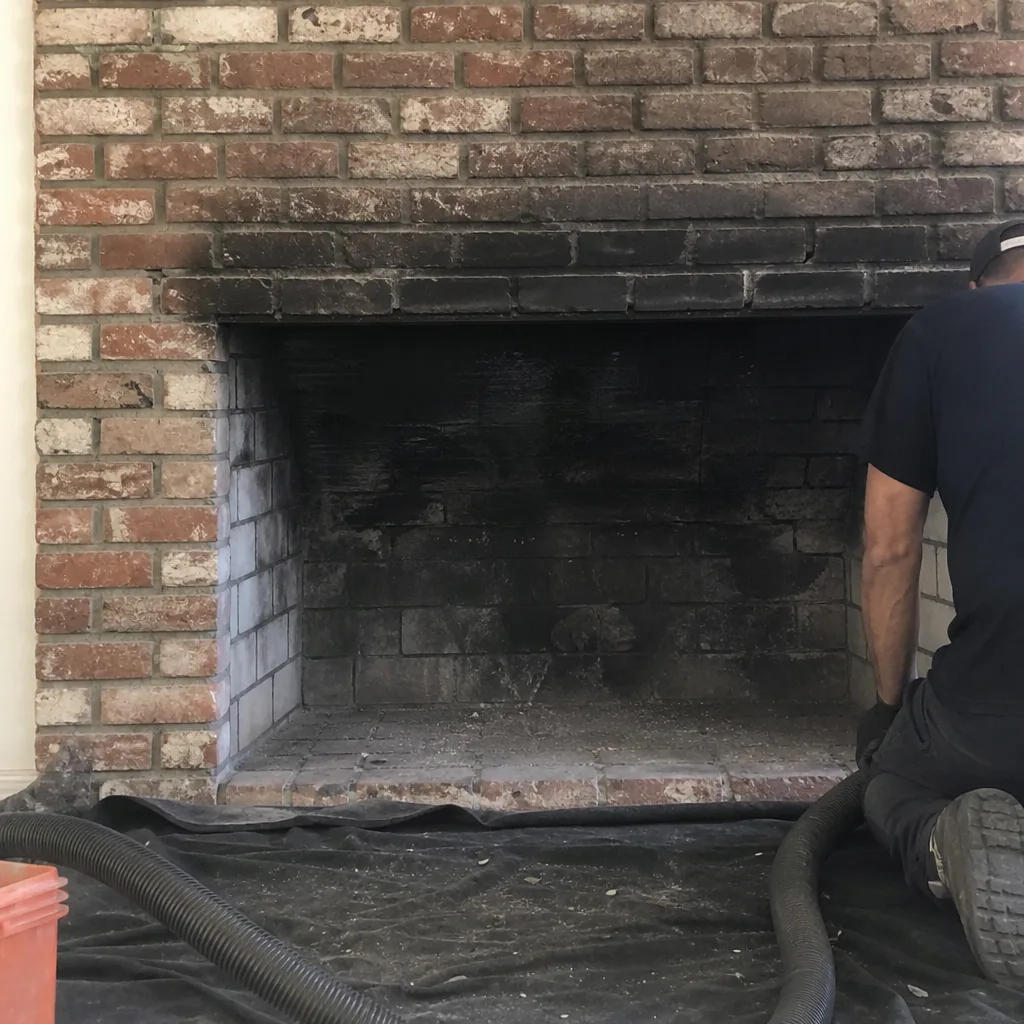 Before
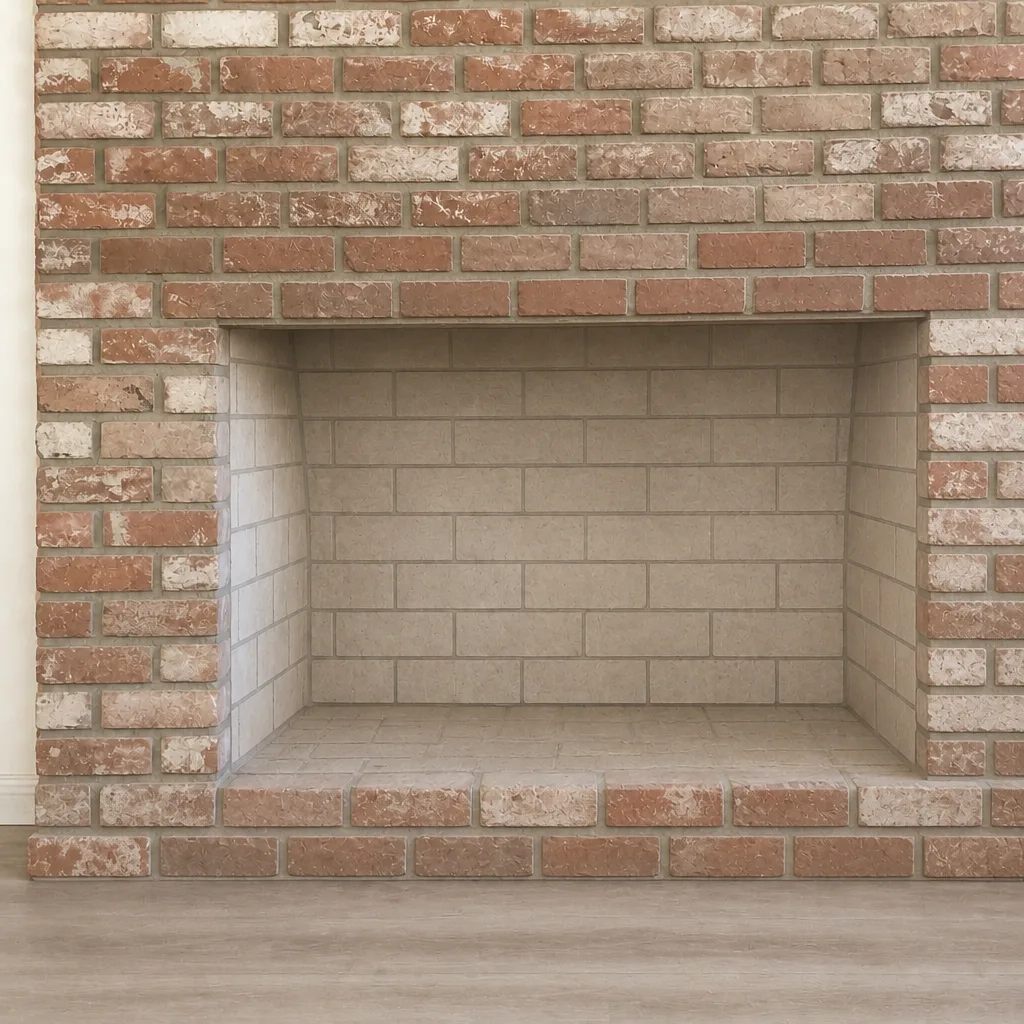 After
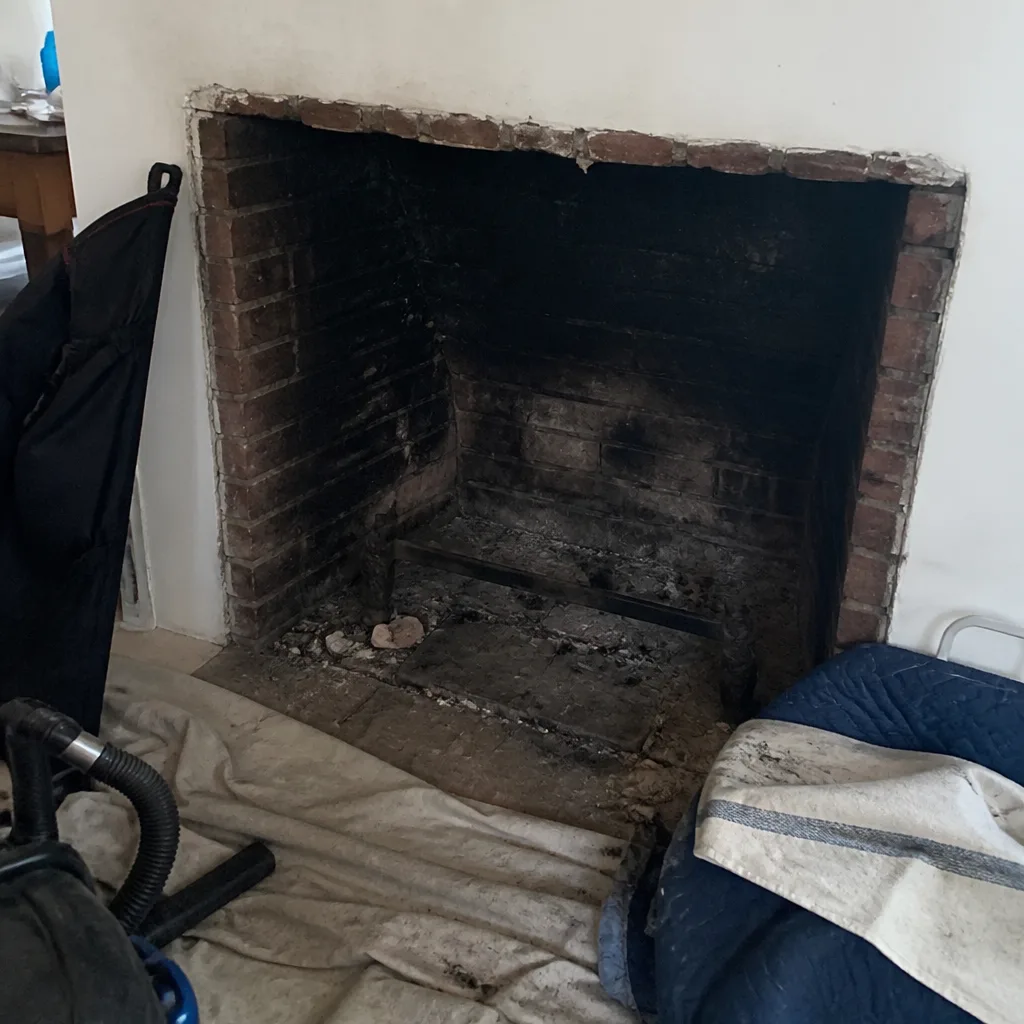 Before
 After
 Before
 After