Last updated November 4, 2026
 Sweep & inspection
 Caps & crowns
 Flue relining
 Masonry repair
 Gas fireplace service
Level 1 sweep and inspection to the NFPA 211 annual standard - flue, crown, cap, and flashing checked and photographed
Chimney sweep logs do not sweep chimneys. They loosen some creosote - which then falls where a brush and vacuum still have to collect it.
DIY vs Professional Chimney Cleaning: The Hollywood Hills Homeowner’s Decision Guide
You can buy a chimney brush kit at any hardware store. What it won’t tell you is whether the deposit you’re brushing past is first-stage creosote or glazed third-stage, and in a canyon fire zone, that distinction is the whole ballgame. This guide maps exactly where do-it-yourself chimney maintenance is genuinely viable in Hollywood Hills and where it creates real liability. We’ll cover what you can safely handle with a flashlight and a brush, what requires experience you can’t get from a YouTube video, and how the steep rooflines and canyon winds in this area change the math entirely. By the end, you’ll know precisely which tasks to take on and which ones to put in the hands of a company that does nothing but chimneys and vents.
Quick Answer
For most Hollywood Hills homeowners, the honest answer is a split: you can safely handle cap debris removal and a basic firebox visual check yourself, but a true cleaning that addresses creosote throughout the flue requires professional equipment and judgment. The conditions that make DIY most tempting, a simple brush pass on a sunny afternoon, are the same conditions that hide the most serious problems in hillside chimneys. If your chimney sees regular use during burn season, call a chimney sweep for the deep clean and handle only the light, visible maintenance on your own.
Styles & brands we work with
- Sweep & inspection
- Caps & crowns
- Flue relining
- Masonry repair
- Gas fireplace service
Table of Contents
- What DIY Actually Means for a Chimney
- The Creosote Problem: Why Stage Three Changes Everything
- Roof Access in Hollywood Hills: The Real DIY Barrier
- Cleaning vs. Inspection: Why Doing One Without the Other Misses the Point
- The Insurance Question: Undocumented DIY and Fire Claims
- What You Can Safely Do Yourself
- What a Professional Sweep Actually Involves
- Common Mistakes to Avoid
- When to Call a Professional
- Frequently Asked Questions
What DIY Actually Means for a Chimney
Let’s be precise about the word DIY when it comes to chimneys. There is no version of do-it-yourself that equals what a professional sweep accomplishes. What there is, is a narrow band of maintenance you can perform safely from the ground or from inside your firebox: clearing visible debris from the chimney cap area (using a pole or from a safe ladder position, never from the roof itself), and performing a basic visual inspection of your firebox and damper area with a flashlight. That’s genuinely it.
The rest of it, the actual sweeping of the flue, the removal of creosote from the smoke chamber, the inspection of the liner from top to bottom, belongs on the other side of the line. Here’s why: a proper chimney sweep in Hollywood Hills involves a brush sized to your exact flue dimensions, a vacuum system that keeps fine particulate out of your living room, and a trained eye that knows what normal wear looks like on a clay tile liner versus what signals an active fire risk. When a homeowner with a store-bought kit runs a brush up and down a flue, they’re dislodging deposits they can’t see and can’t assess. The flue may look cleaner at the bottom, but the hazard may simply have been redistributed.
We’ve cleaned chimneys in every era of house you’ll find in the hills, from 1920s canyon cottages to mid-century builds to recent construction with stainless liners. The age of the house doesn’t tell you much on its own. The question is what has been burning in that firebox and how long it’s been since a professional last inspected it.
The Creosote Problem: Why Stage Three Changes Everything
Creosote is not one substance. It forms in stages, and the stage you’re dealing with determines whether a brush will do anything at all. Understanding this is where DIY chimney cleaning in Hollywood Hills stops being a cost-saving measure and starts being a gamble.
First-stage creosote is a light, dusty soot. It brushes away easily with the right equipment. Second-stage creosote is flaky and granular, like coarse coffee grounds. A stiff brush will remove much of it, though it requires effort and the right technique. Third-stage creosote is a hard, glazed, tar-like coating that has essentially baked onto the flue walls. It shines. It resists brushing. It is intensely flammable, more so than either of the earlier stages.
Here’s the problem for a homeowner with a brush kit: from the bottom of the firebox, you cannot tell which stage you’re dealing with in the upper flue. You can shine a flashlight up there and see darkness. You can run a brush up and feel resistance or not feel resistance. What you cannot do is visually identify a glazed section halfway up the flue from a position at the bottom. Even from the top of the chimney, which as we’ll get to is not a safe place for most Hollywood Hills homeowners to be, the angle and the light make accurate assessment difficult for an untrained eye.
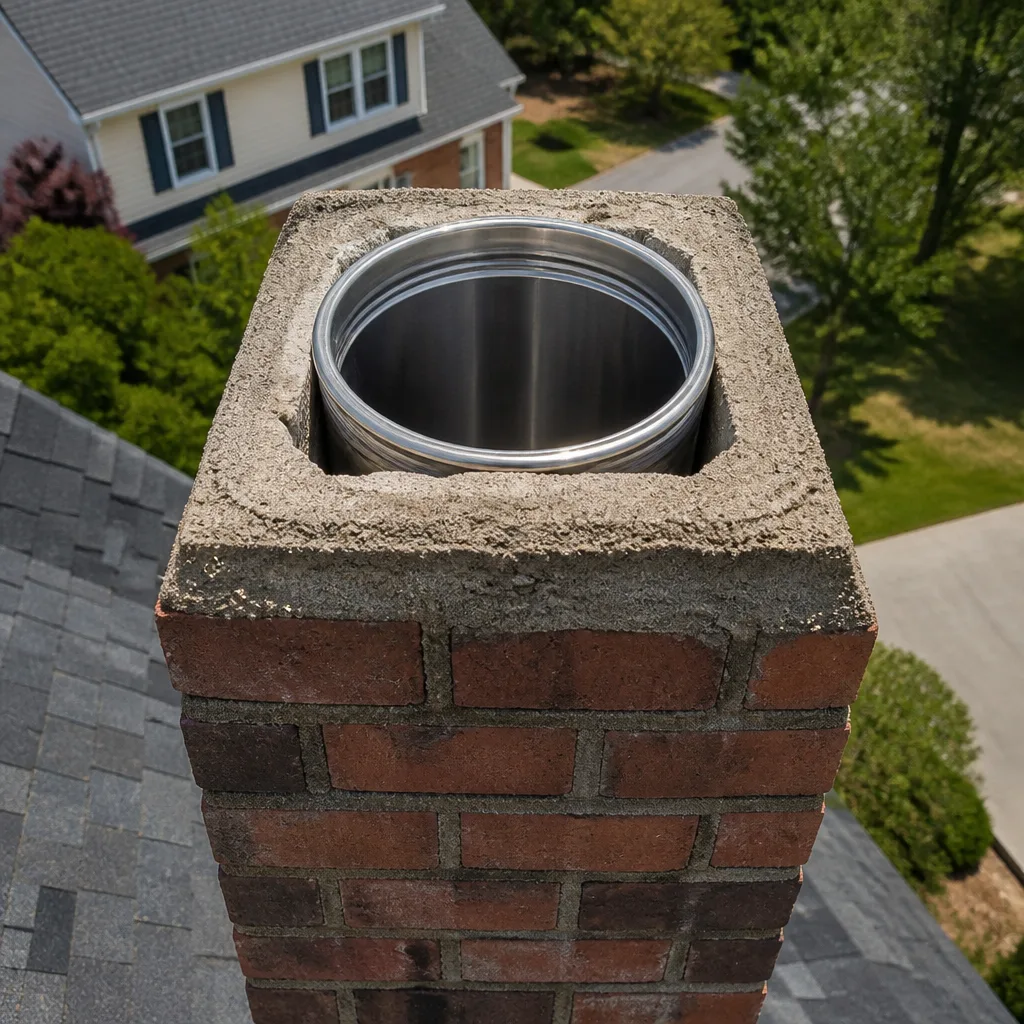
We use camera inspection during chimney sweeping for precisely this reason. A flexible camera sent down the flue shows, in real time, where creosote has built up, what stage it is, and whether the liner shows damage behind it. That information changes the entire job. A flue with third-stage creosote over a cracked clay tile liner is not a candidate for a brushing alone. It needs professional removal, and possibly a liner assessment like a HeatShield resurfacing treatment or a DuraFlex retrofit if the integrity of the original liner is compromised. None of that is visible from the hearth.
Roof Access in Hollywood Hills: The Real DIY Barrier
Many DIY chimney cleaning guides assume the reader can safely access the chimney from the roof. In Hollywood Hills, that assumption falls apart quickly. This is not a neighborhood of gentle, low-pitch roofs. Homes in the hills were frequently built into slopes, with steep pitches chosen for drainage and architecture. Roofing materials vary widely, from Spanish tile to composition shingle to flat sections, and the transition points between materials are exactly where a homeowner on foot is most likely to slip.
Add the debris factor. Canyon winds carry leaves and branches onto rooftops year-round. Dry leaves on a pitched roof are as slippery as ice. A homeowner with a chimney brush in one hand, a ladder in the other, and a slick roof underfoot is one misstep from a fall that has nothing to do with chimney proficiency.
Professional sweeps in this area approach top-access work with roof ladders, harness anchors, and boots suited to the specific roofing material. Even then, we prefer to work from the bottom whenever the chimney design allows it, using brushes and rods fed from the firebox with a vacuum running at the base to control dust. The fewer trips onto a hillside roof, the better for everyone.
The honest assessment: if your chimney requires roof access for a proper sweep, that alone is a strong argument for hiring a professional. The cost difference between a brush kit and a professional cleaning stops mattering when you’re factoring in the risk of a fall from a steep Hollywood Hills roofline.
Cleaning vs. Inspection: Why Doing One Without the Other Misses the Point
Here’s the distinction every homeowner should understand, because the DIY debate usually misses it entirely: cleaning and inspection are not the same task, and they are not interchangeable. A DIY brush pass, even a reasonably effective one, cleans. It does not inspect. And inspection is where the actual safety value lives.
An inspection means looking at the flue liner from top to bottom, checking the mortar joints, examining the smoke chamber, verifying that the damper opens and closes fully, checking the cap and screen for damage or blockage, and assessing whether the flashing at the roofline is still keeping water out. It means recognizing the early signs of a liner crack before it becomes a fire pathway. It means seeing a minor mortar gap in the firebox and knowing whether it’s cosmetic or structural.
For a hillside property in Hollywood Hills, inspection matters more than it would on flat ground. The houses are exposed to stronger wind activity, and the chimneys on them often run taller to clear rooflines and maintain draft. A taller chimney means more surface area for wind to work on, more mortar joints to age, and a longer run for creosote to build or draft to fail. The visual checks you can do from your firebox are genuinely useful, but they cover about five percent of what a professional inspection sees.
When we perform a sweep, the cleaning is the first step. The inspection is the deliverable. We’ll show you what we found and why it matters, whether that’s a clean bill of health or a section of liner that needs attention before you burn another season. An undocumented DIY clean gives you none of that record.
The Insurance Question: Undocumented DIY and Fire Claims
This is the part of the DIY conversation that most guides skip, and it’s the part that matters most if something goes wrong. When a chimney fire occurs, the homeowner’s insurance company asks questions. One of the first questions is about maintenance: when was the chimney last cleaned and inspected, and who performed the work?
A professional chimney sweep provides documentation. The receipt, the inspection report, the dated record of what was found and what was done, all of that goes into your home maintenance file. If a fire occurs afterward, that documentation supports your position that the chimney was properly maintained. It doesn’t guarantee coverage in every scenario, but it establishes a pattern of responsible upkeep.
A DIY cleaning has no such documentation. If the worst happens, you are explaining to an adjuster that you cleaned the chimney yourself with a brush from a hardware store. The adjuster’s next question will be about inspection. Were the flue tiles checked? Was the liner condition documented? Was the cap verified clear and secure? The answer to each of those is no, because a brush pass doesn’t generate any of that information. That’s a difficult position to defend.
The liability question is not about whether DIY work is inherently negligent. It’s about the record. Homes in Hollywood Hills are significant investments, and the fire risk in canyon areas is a known concern for insurers. A documented professional cleaning is a line item in your favor. A DIY attempt is a gap. It’s that simple.
What You Can Safely Do Yourself
None of the above means you should never touch your own chimney. There are two tasks, and we mean two, that a careful homeowner can handle safely, and both are worth doing. Here’s how to do them properly.
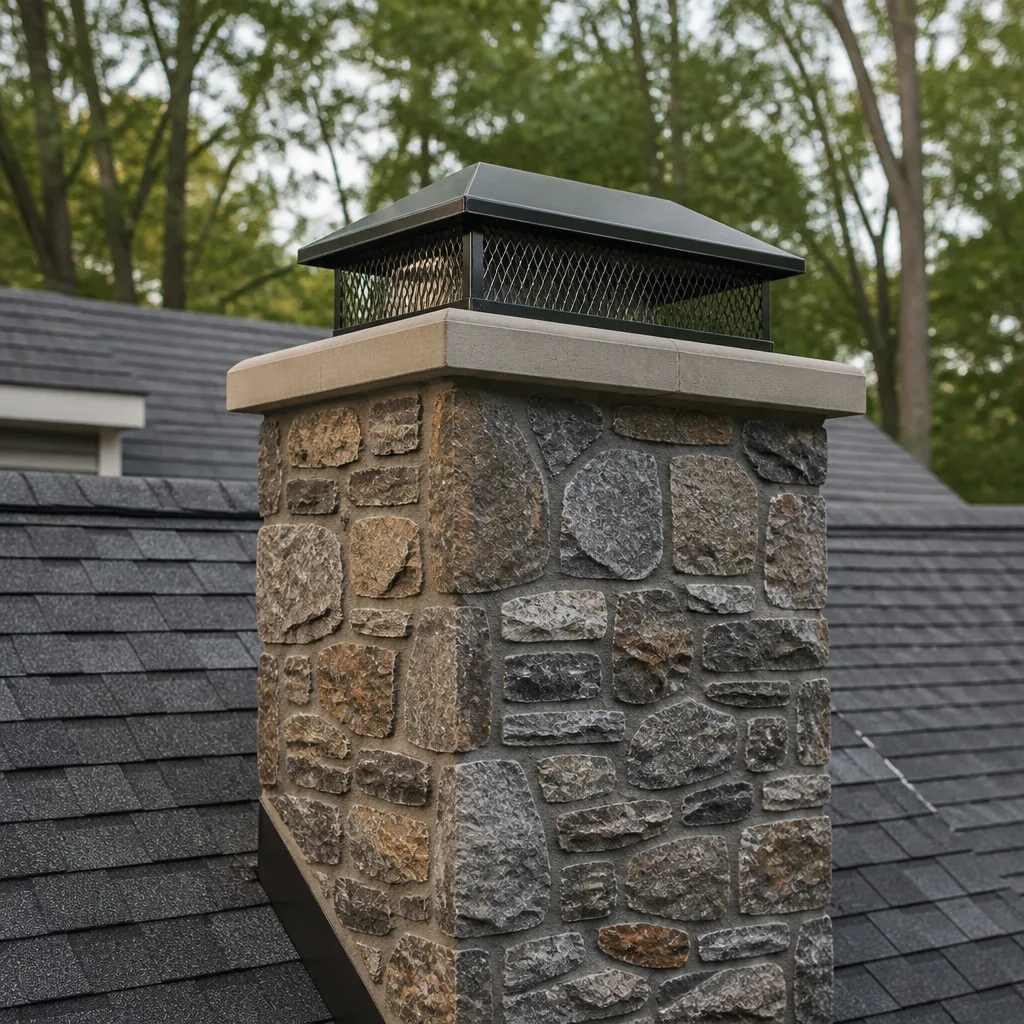
- Cap debris removal (from the ground or a secure ladder, never the roof). Use binoculars from the yard or the street to check your chimney cap for visible buildup of leaves, branches, or nesting material. If you see debris and you can reach the cap safely from a ladder placed on level ground, use a long-handled brush or a shop vacuum extension to clear it. Do not climb onto the roof. If the cap is only reachable from the roofline, that’s a professional call. The cap is your first line of defense against embers and animals; keeping it visible and clear is a genuinely useful maintenance habit.
- Firebox visual check. Open the damper fully, shine a flashlight up into the smoke chamber, and look for obvious signs: thick, shiny black buildup on the visible flue walls, chunks of flue tile at the bottom of the firebox, visible cracks in the firebrick, or a damper that won’t move. Check that the damper seals when closed. Look for water staining on the ceiling around the chimney chase. These are the signs that warrant a professional look. This check takes ten minutes and should be done before the first fire of the season.
Both of these are prevention and early-warning habits, not substitutes for a real sweep. They’ll tell you when something is clearly wrong. They won’t tell you when something is subtly, dangerously wrong in a way only a camera can reveal. In a canyon fire zone, where the consequence of a missed problem is higher than it would be elsewhere, the camera wins.
If you smoke regularly in your fireplace, if you burn a lot of wood through the cooler months, or if you’ve just bought a home in Hollywood Hills and don’t know the chimney’s history, book a professional Carlton Chimney Sweep cleaning before you do anything else. The DIY tasks above become meaningful maintenance between professional visits, not replacements for them.
What a Professional Sweep Actually Involves
When you hire a professional chimney sweep, you’re paying for more than the labor of running a brush through a flue. You’re paying for the equipment, the method, and the judgment that comes from working on chimneys in this specific area, in this climate, on houses built across a century of changing construction standards.
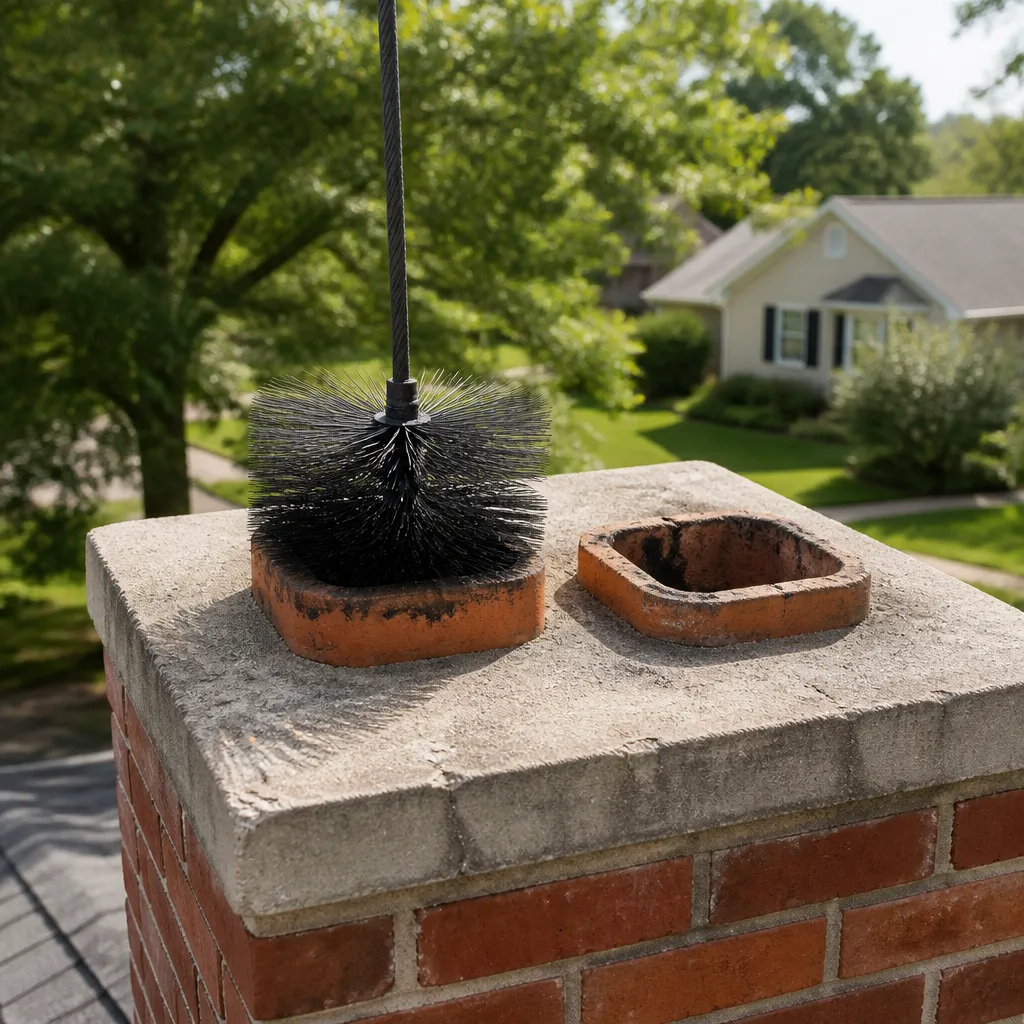
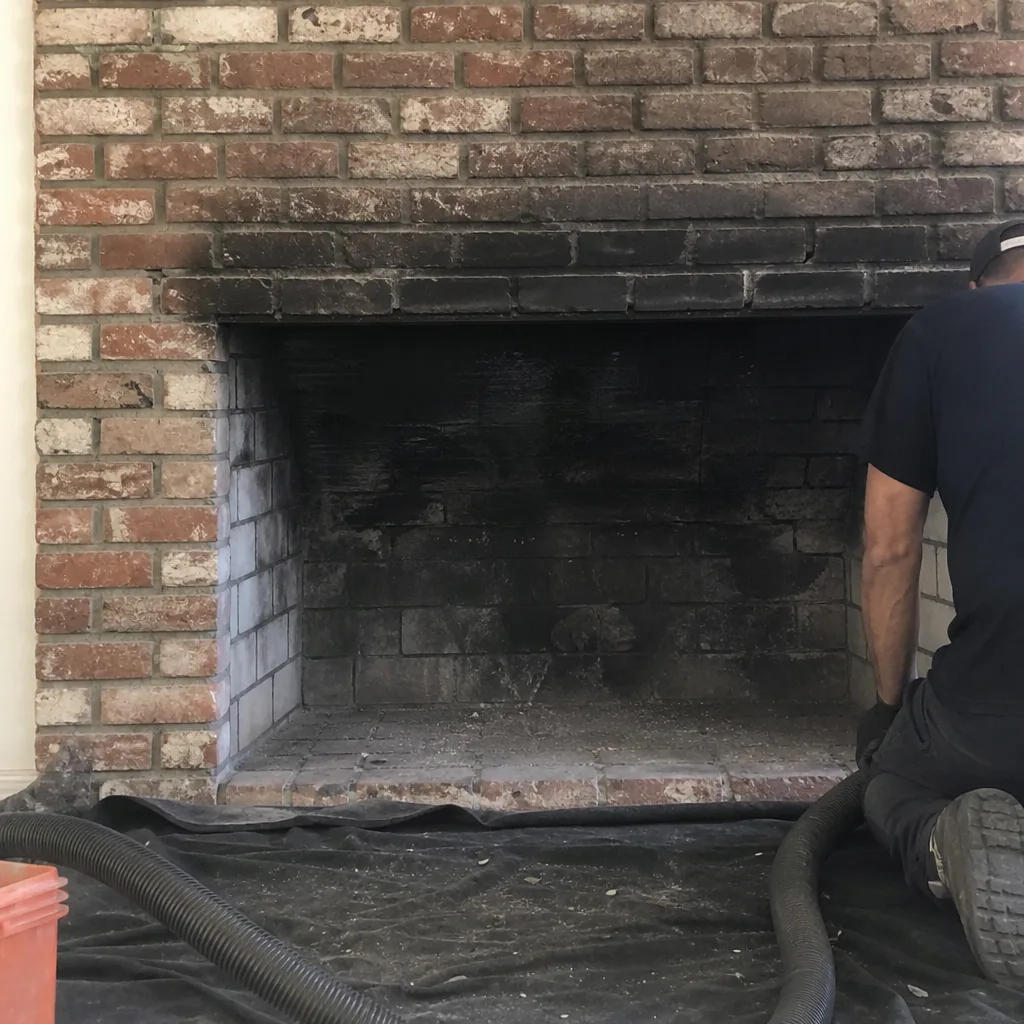
The process starts with protection. We lay down drop cloths around the hearth, run a high-flow vacuum to capture dust, and work through the firebox whenever the chimney design allows it. The sweep itself uses brushes sized to your flue dimensions, not a one-size-fits-most rod from a kit. Different flue types, clay tile, stainless steel, poured-in-place, require different brush materials and techniques. Using the wrong brush on a stainless liner can damage it. That’s a detail that gets lost in the big-box store aisle.
Then comes the inspection, which is the larger part of the value. We run a camera through the flue and look at what the brush revealed. We check the cap, the damper, the smoke chamber, the flashing. We’ll show you what we found and why it matters, with photos you can keep for your records. If the inspection turns up damage, we handle the sweep and the fix. That continuity matters: the company that cleans the flue is the company that sees the problem and the company that has the parts to repair it. We work with professional-grade lines like Famco caps, Copperfield components, and HeatShield liner restoration. Not what you’d find on a hardware shelf.
The report you get at the end is the document that goes into your file. Dated, photographed, signed. When your insurance company asks for maintenance records, you have them. When you sell the house, the buyer can see the chimney has been cared for. None of that exists in the DIY path.
Common Mistakes to Avoid
- Skipping the inspection and calling it a cleaning. A brush pass without a camera look is like changing your car’s oil without checking the dipstick after. The dangerous problems live where the brush doesn’t reach.
- Burning soft woods to save money. Pine and other resinous softwoods produce creosote faster than dense hardwoods. In a canyon climate where wood-burning is often the primary heat source for older hillside homes, the wrong fuel choice speeds up third-stage buildup.
- Using a store-bought brush on a stainless steel liner. The wrong bristle material can scratch or score a liner. If your Hollywood Hills home was built or relined recently, know what you’re dealing with before you put a rod up the flue.
- Cleaning from the roof without fall protection. Steep hillside pitches, tile roofs, and canyon debris make this the most dangerous part of the DIY path. No amount of money saved justifies a fall.
- Ignoring the dryer vent. Your chimney isn’t the only exhaust system in the house. A clogged dryer vent is a leading household fire source, and it’s a service most chimney-only companies never mention. We do.
- Waiting for visible smoke problems. By the time your fireplace is smoking back into the room, the draft problem has been developing for months. Maintenance is cheaper than repair.
When to Call a Professional
Call a professional if you see shiny black buildup inside the flue, if you’ve had a chimney fire at any point, if your fireplace smokes into the room, if you hear animals in the chimney, if your cap is damaged or missing, if you notice mortar pieces in the firebox, if water is staining the ceiling around the chase, or if you simply don’t know the last time the chimney was inspected. All of these are triggers, not suggestions. For residents of the Hollywood Hills area, Carlton Chimney Sweep offers free estimates and full camera inspections. Call (855) 731-2852 to schedule. We answer 24/7. Fast dispatch from 7am to 7pm, Sunday through Friday.
Frequently Asked Questions
A professional chimney sweep in Hollywood Hills is priced per job by written estimate. The cost depends on the chimney’s height, the flue type, the amount of creosote present, and whether roof access is required. We give free estimates before any work begins, so you know the price before the brush goes up the flue. Call (855) 731-2852 for an exact quote.
You can perform a basic debris clearing and visual check from the ground or firebox, but you cannot safely or effectively clean the full flue yourself. The creosote that matters most is the third-stage glaze that collects mid-flue, and it takes a camera and trained judgment to identify and remove it. A brush kit gives you the feeling of maintenance without the record of it.
Have your chimney swept and inspected at least once per burn season, and more often if you burn frequently or notice visible buildup. The rule of thumb is a sweep whenever creosote reaches one-eighth inch of accumulation, but by the time you can see that from the firebox, you’ve likely passed it. Annual professional inspection is the reliable baseline for a hillside property.
It may, but an undocumented DIY cleaning makes your position harder to defend. Professional maintenance records document what was cleaned, what was inspected, and what was found. A DIY attempt produces none of that. When something goes wrong, the paper trail matters as much as the fire department’s aftermath report.
They’re different systems with the same principle: hot exhaust moving through a confined passage. A chimney carries smoke from the fireplace; a dryer vent carries lint-laden air from the laundry room. A clogged dryer vent is one of the most common household fire sources, and most chimney-only companies never address it. We offer dryer vent cleaning as its own service because both exhaust paths deserve the same attention.
What happens depends on what you’ve been burning and how often. If you burn dry hardwood occasionally, a skipped year may produce moderate creosote that a professional sweep handles easily. If you burn softwood or unseasoned wood regularly, a skipped year can produce glazed third-stage creosote, which is the fuel for a chimney fire. The risk isn’t linear; it compounds in ways you can’t see from the hearth. Get the camera in there.
The Bottom Line
DIY chimney maintenance has a place in Hollywood Hills. That place is the firebox visual check and the ground-level cap clearing, two small, useful habits that help you catch obvious problems early. The rest of it, the real sweep, the flue camera inspection, the liner assessment, the repair work that follows, belongs with professionals who have the equipment, the training, and the documentation to back up every step. The cost of a professional sweep is modest compared to the cost of a chimney fire, a failed insurance claim, or a fall from a steep canyon roofline. Clean flue, safe home. Start with the parts you can do well, and let a professional carry the parts you can’t.
Written by the team at Carlton Chimney Sweep, serving Hollywood Hills since 2015.
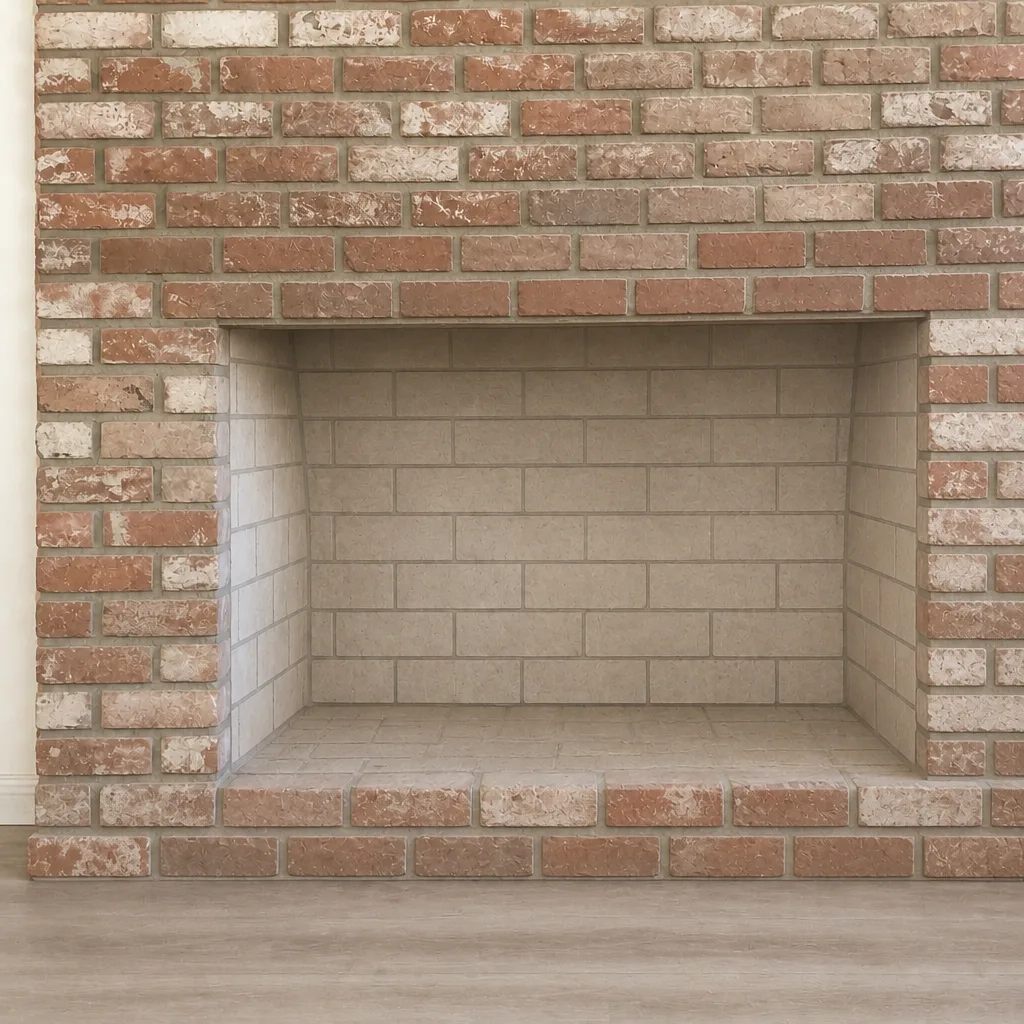
See the difference
 Before
 After
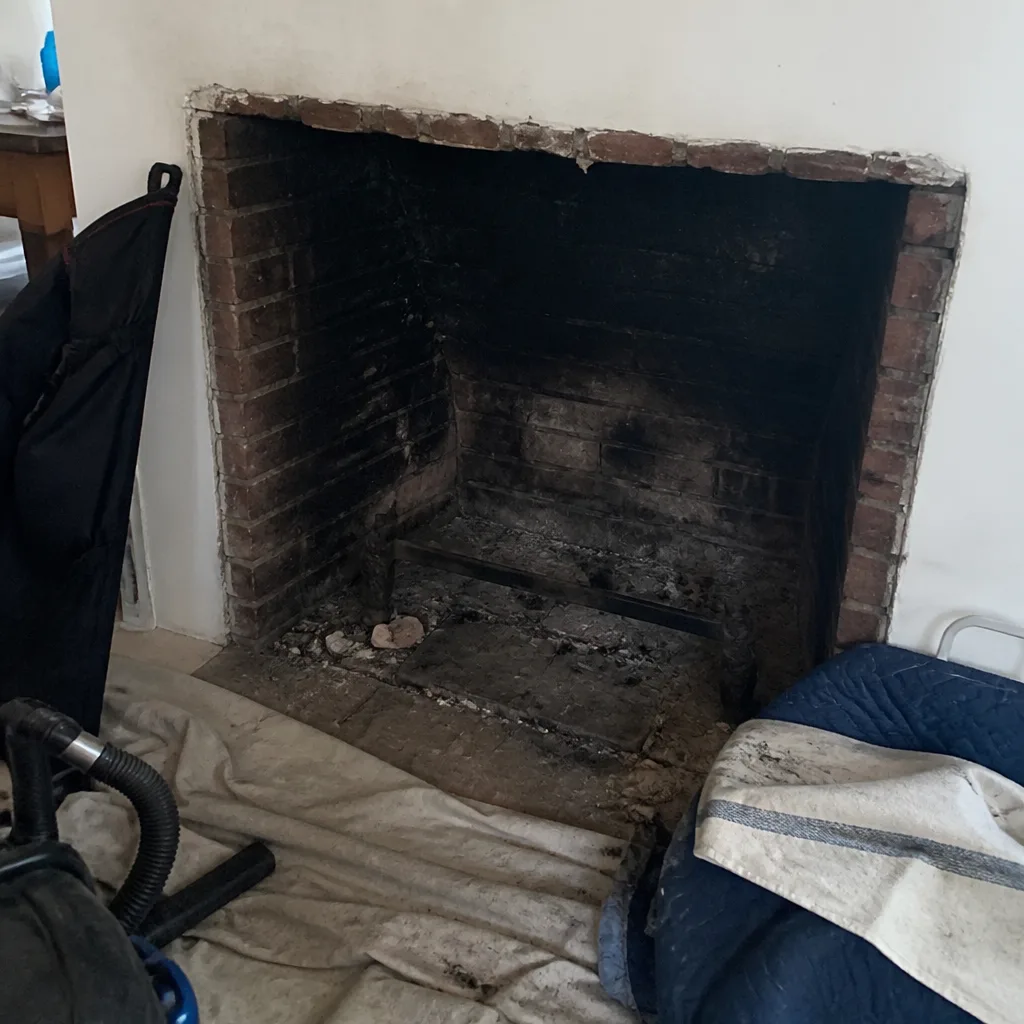 Before
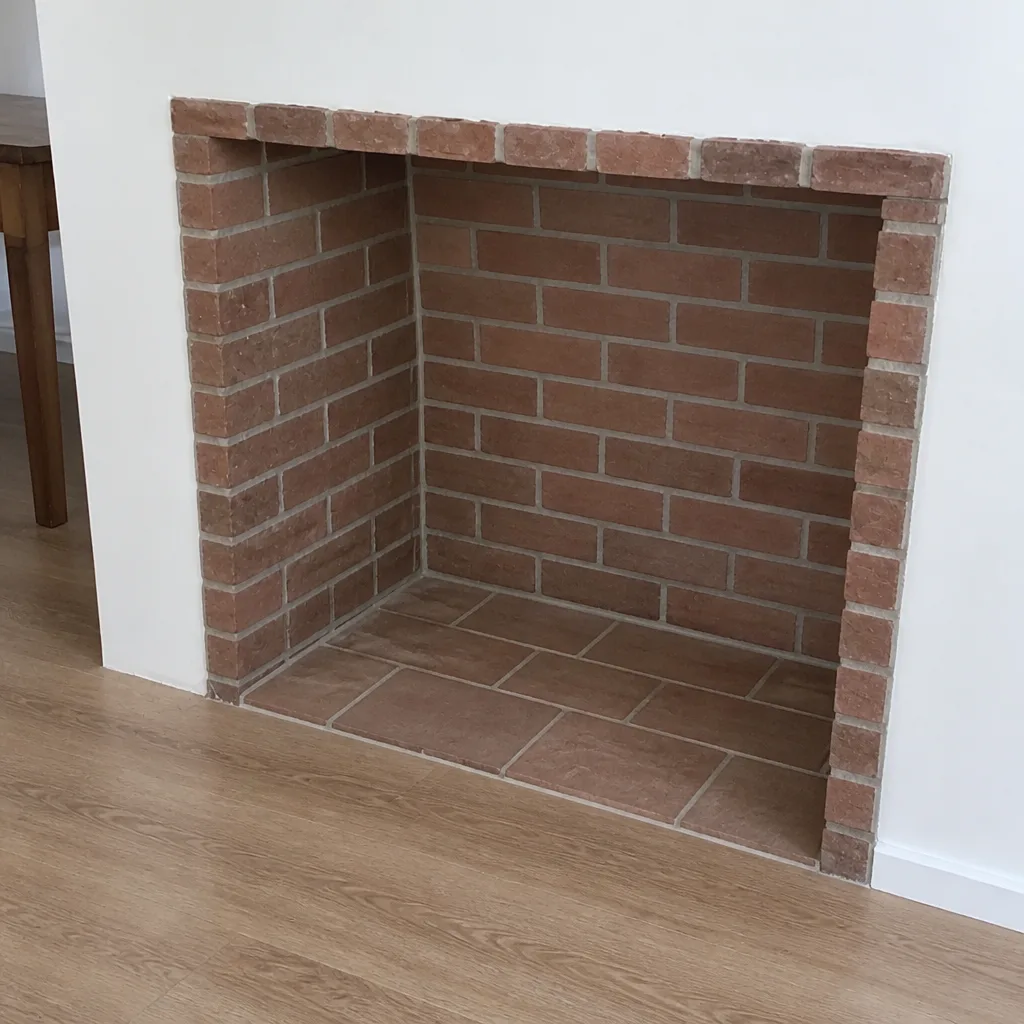 After
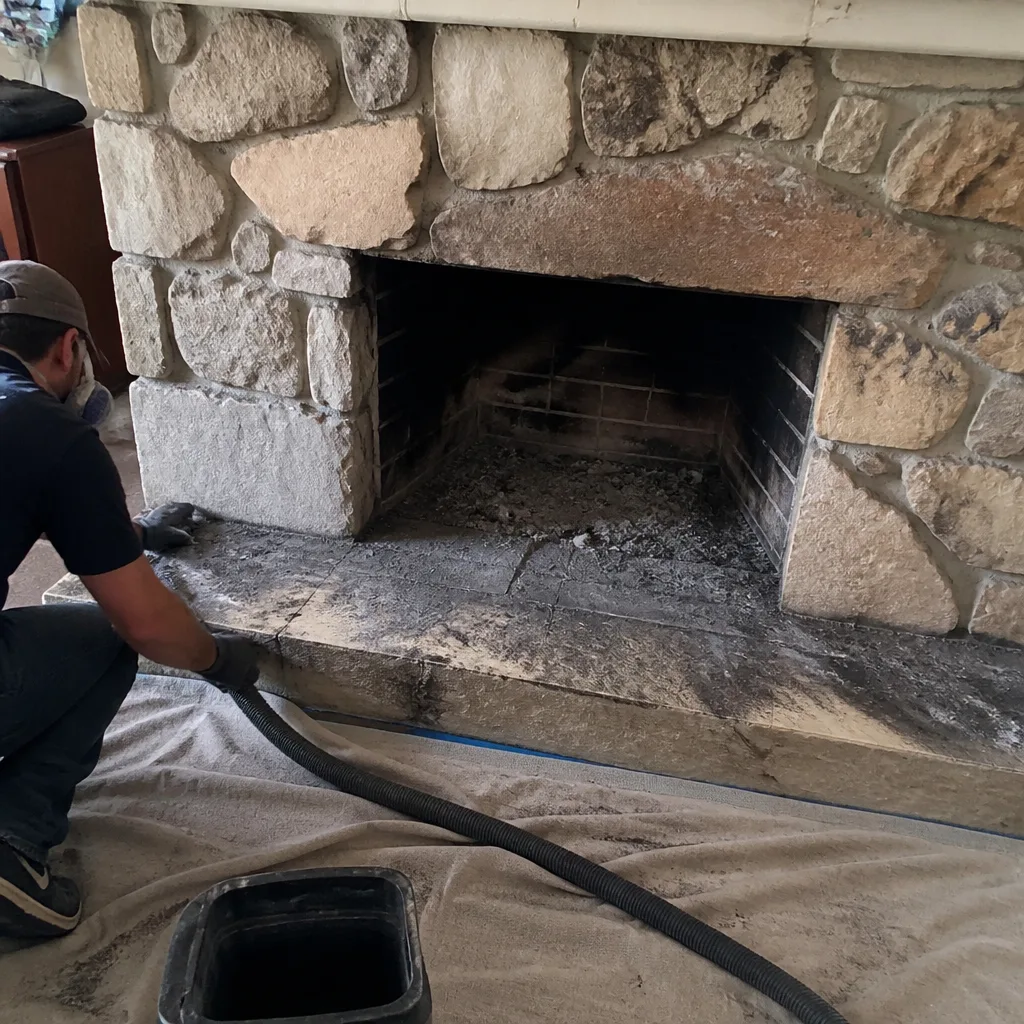 Before
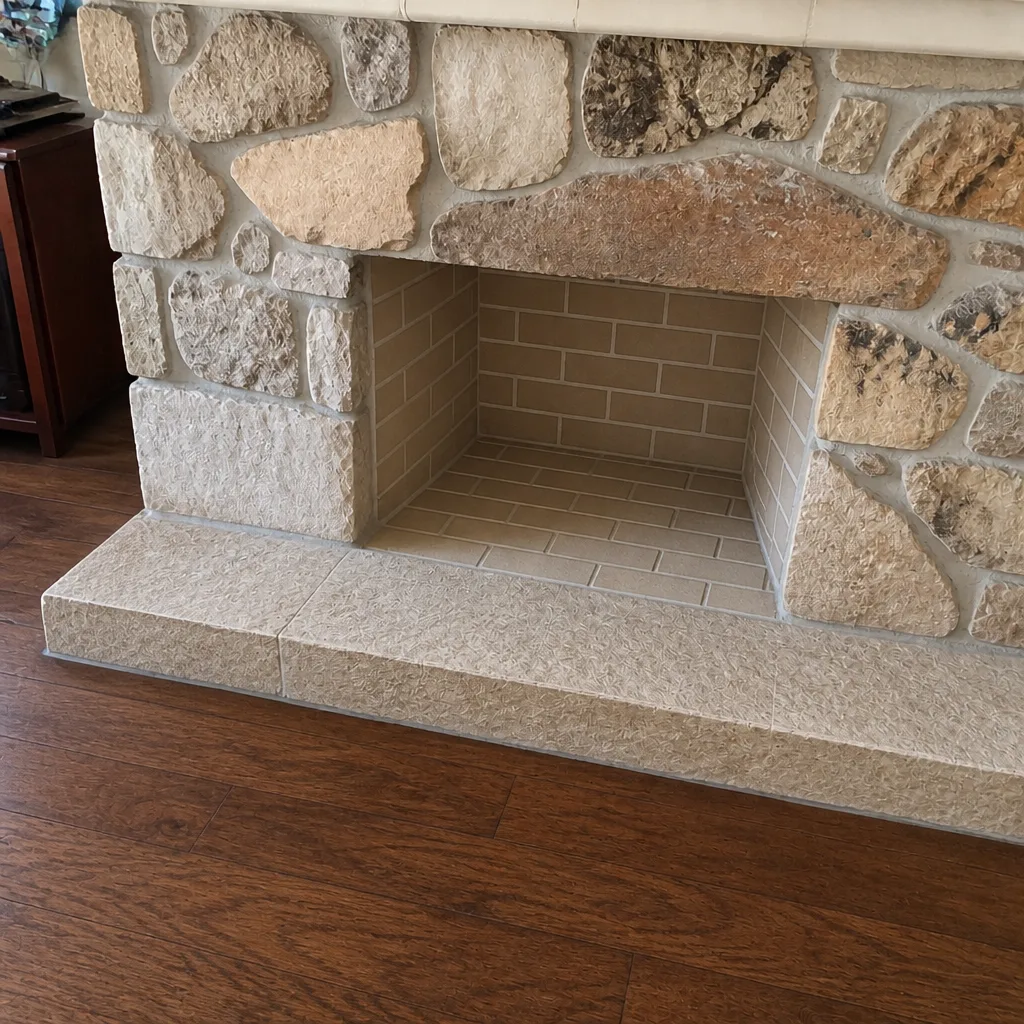 After