Last updated November 4, 2026
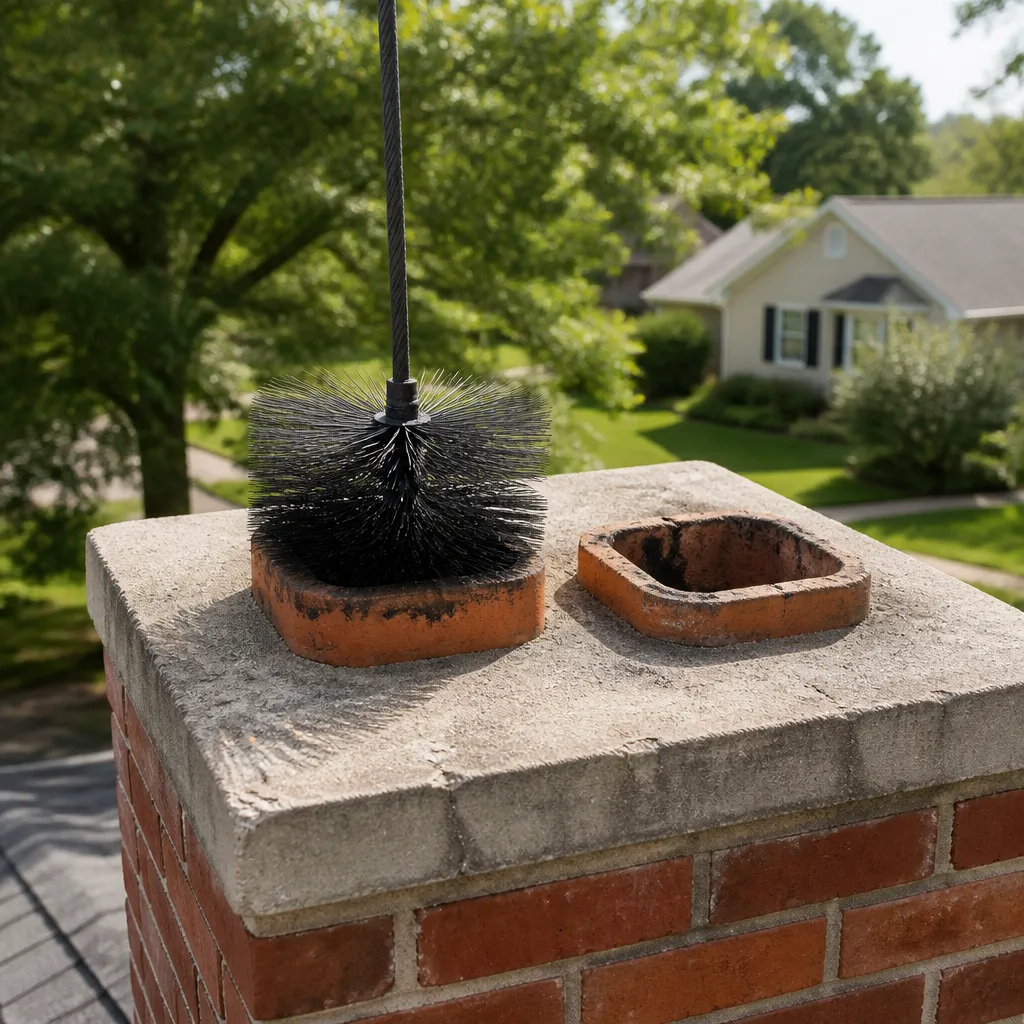 Sweep & inspection
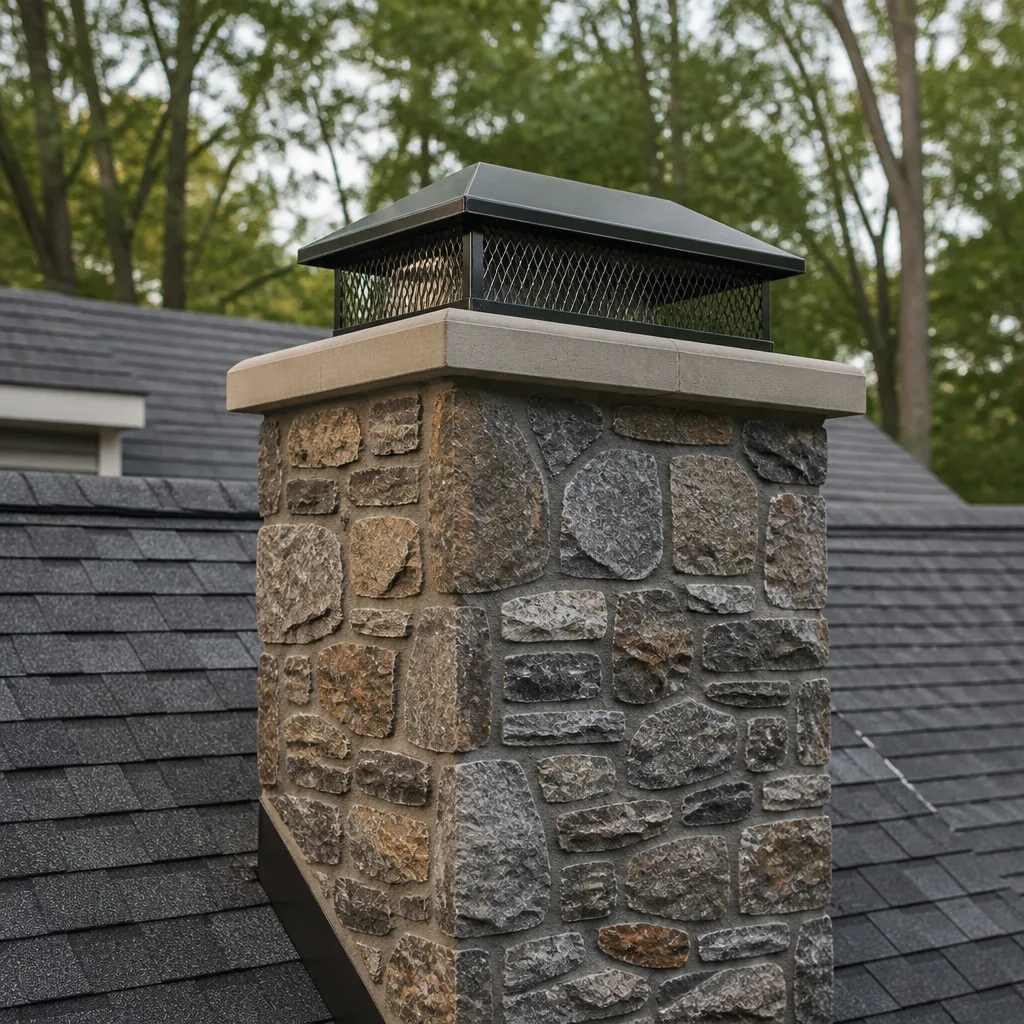 Caps & crowns
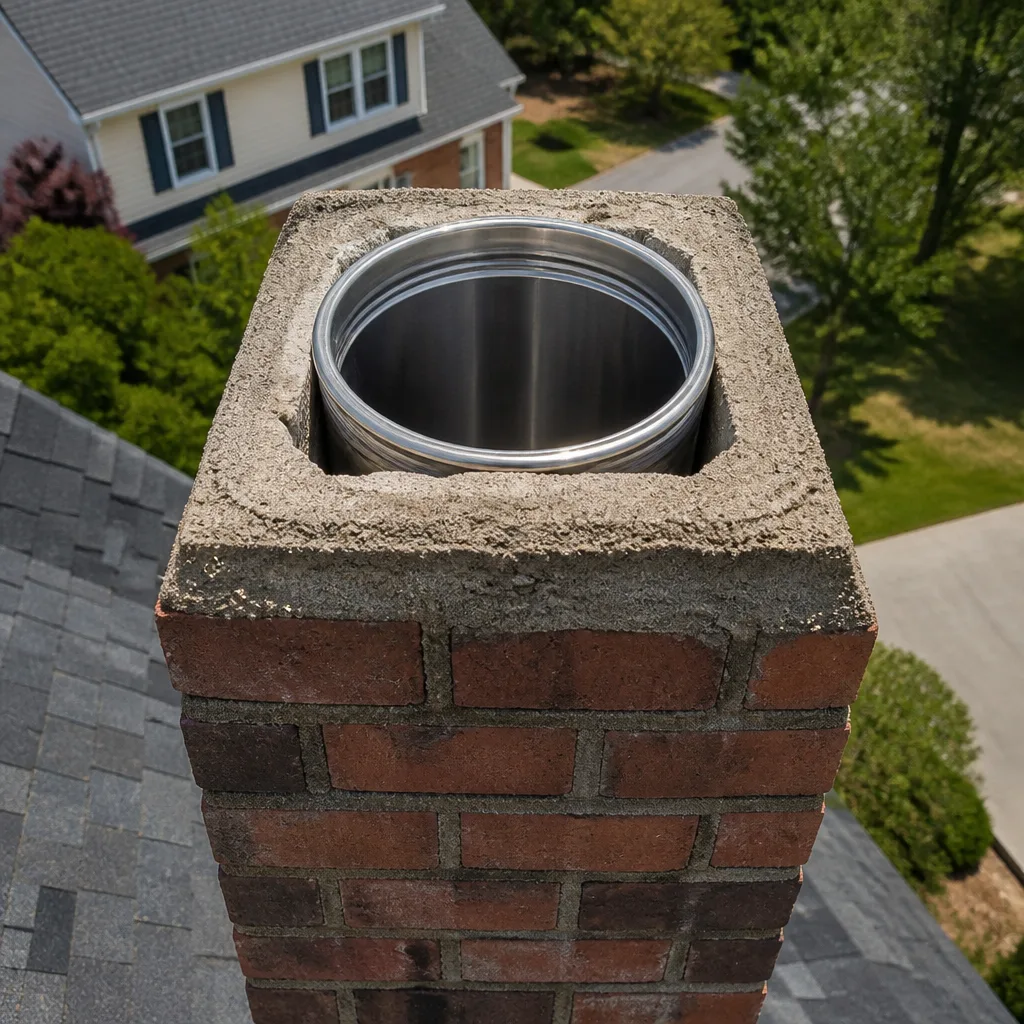 Flue relining
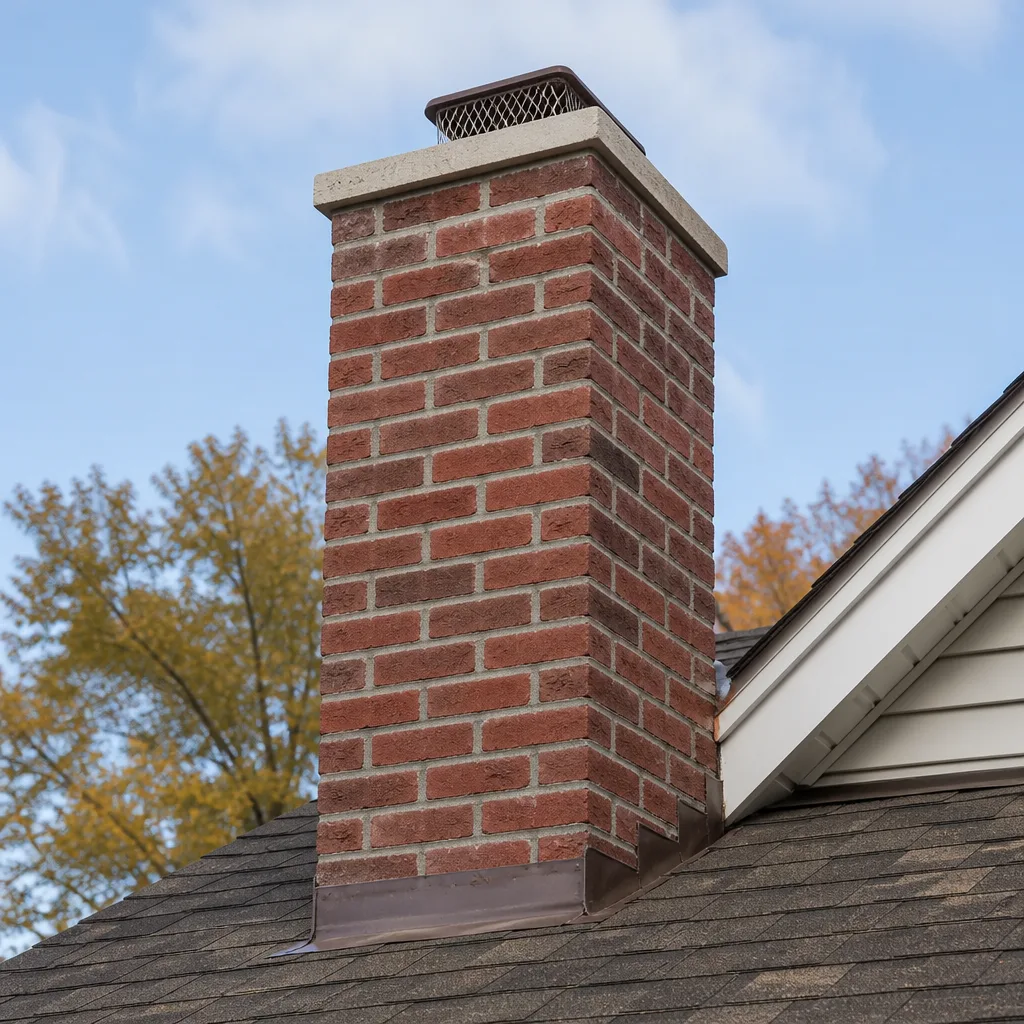 Masonry repair
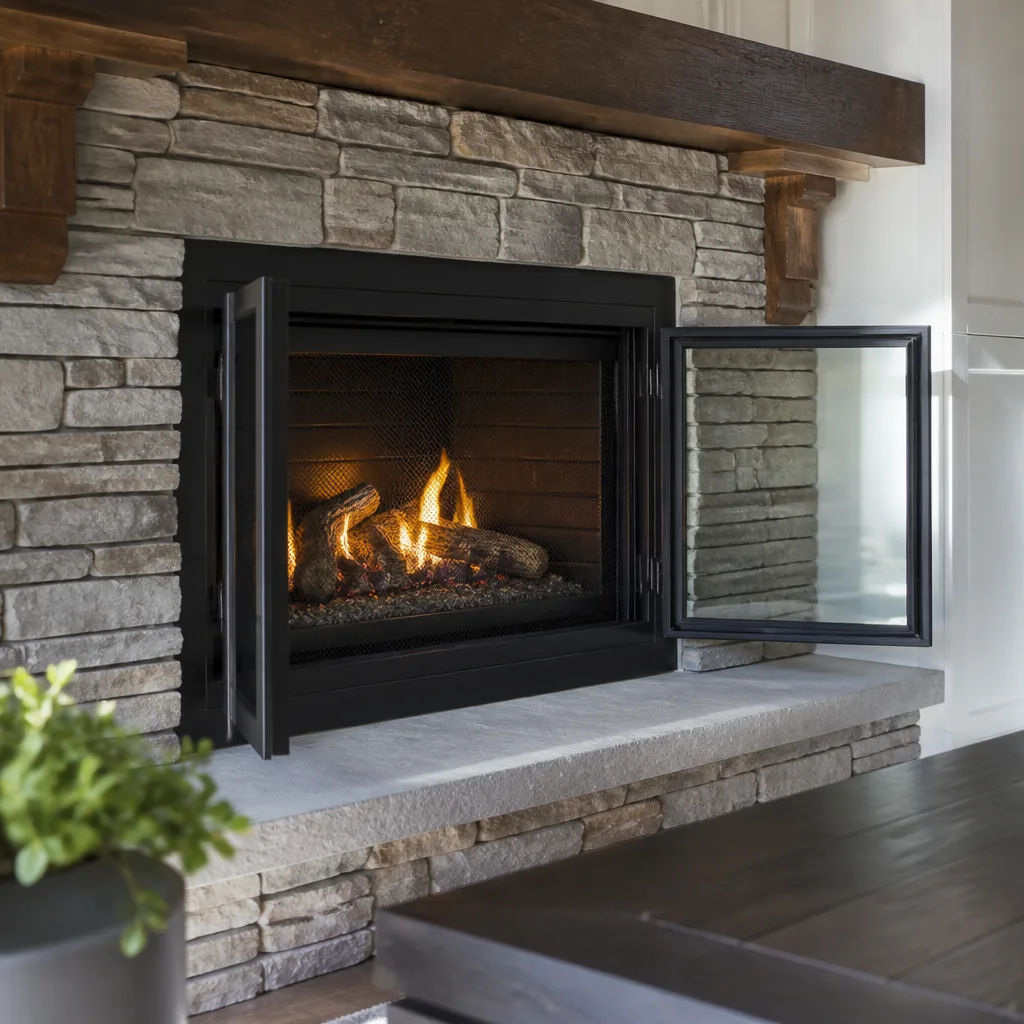 Gas fireplace service
Level 1 sweep and inspection to the NFPA 211 annual standard - flue, crown, cap, and flashing checked and photographed
Chimney sweep logs do not sweep chimneys. They loosen some creosote - which then falls where a brush and vacuum still have to collect it.
How to Hire a Chimney Cleaning Contractor in Hollywood Hills: A Step-by-Step Guide
The Los Angeles area sees a surge in chimney service ads every October. Some of those companies didn’t exist in September. A fireplace that worked fine last winter suddenly needs thousands of dollars in liner work, according to a technician who spent twenty minutes on your roof and showed you no evidence. The single most valuable thing you can do as a Hollywood Hills homeowner is learn how to vet a contractor before they set foot on your property. This guide walks you through exactly what to ask, what to verify, and what separates a credentialed specialist from a crew that bought a brush kit last week.
Styles & brands we work with
- Sweep & inspection
- Caps & crowns
- Flue relining
- Masonry repair
- Gas fireplace service
Quick Answer
To hire a chimney cleaning contractor in Hollywood Hills, verify CSIA certification, ask specific questions about their inspection process (Level 1 vs. Level 2), require camera documentation of any recommended repair, and compare written estimates. A legitimate specialist will explain what they found, show you the evidence, and tell you plainly when work can safely wait. Call (855) 731-2852 for a free estimate from Carlton Chimney Sweep.
Table of Contents
- Why Vetting Matters More in Hollywood Hills Than You Think
- What CSIA Certification Actually Verifies
- Level 1 vs. Level 2 Inspections: The Question That Separates Pros from Opportunists
- How to Read a Chimney Inspection Report
- Why the Lowest Bid in Hollywood Hills Usually Costs the Most
- What a Full-Service Chimney Specialist Actually Is
- Ten Questions to Ask Before You Book
- Common Mistakes to Avoid
- When to Call a Professional
- Frequently Asked Questions
- The Bottom Line
Why Vetting Matters More in Hollywood Hills Than You Think
Hollywood Hills homes are not like houses in a flat Midwestern subdivision. Chimneys here run through varied rooflines, older construction, and hillside foundations that complicate access. A technician who sweeps a flue in a two-story tract home in the Valley may be completely unprepared for the angles, heights, and irregular configurations common in the hills. The mild climate also means fireplaces sit unused for months at a time, which lets creosote harden and debris accumulate in ways a once-a-year sweep might not fully address without a proper inspection.
There’s another factor. The Los Angeles chimney service market is flooded every fall with crews that appear when the weather cools and disappear by spring. These operations often run aggressive digital ads offering $49 or $79 sweeps, then discover problems once they’re on the roof. Some of those problems are real. Many are not. We’ve spent eleven years looking at chimneys in this area, and the pattern is consistent: the cheapest advertised price is a foot in the door, not a final bill.
Hiring well means understanding what you’re actually buying. A proper chimney sweep is a cleaning combined with an inspection. The cleaning removes creosote and obstructions. The inspection tells you whether the chimney is safe to use. Both require skill, proper tools, and a technician who will document what they find. A rushed sweep with no camera work and no written report is not a bargain at any price.
What CSIA Certification Actually Verifies
CSIA stands for the Chimney Safety Institute of America. When a technician holds CSIA certification, it means they passed a written exam covering chimney construction, codes, inspection procedures, and fire safety. They must recertify every three years through continuing education or retesting. It is the most recognized credential in the American chimney service industry.
Here’s what CSIA certification does not tell you. It does not prove the technician has extensive experience in Hollywood Hills specifically. It does not guarantee they carry the right insurance. It does not mean they can install a liner system or perform structural repairs. Certification is a baseline of knowledge, not a ceiling of capability. Think of it as the floor: you should not hire anyone without it, but the credential alone is not the whole picture.
Ask for the technician’s CSIA number. Any certified professional can provide it without hesitation. Then ask what else they do beyond cleaning. A sweep-only operation with a CSIA card is fine for a routine cleaning. But if your contractor is going to evaluate the safety of your flue, recommend repairs, or tell you a liner needs replacement, you want someone whose expertise extends into diagnosis and repair work, not just brush work. In our experience, the technicians who can explain both the cleaning and the repair implications are the ones who give honest recommendations. They aren’t trying to sell you a liner because they won’t be the ones installing it anyway.
Also confirm insurance. A professional chimney company in California should carry general liability insurance and workers’ compensation coverage. Ask for proof. A contractor who hesitates to provide a certificate of insurance is a red flag. If someone gets hurt on your roof and the company is uninsured, the financial exposure lands on you.
Level 1 vs. Level 2 Inspections: The Question That Separates Pros from Opportunists
This is the single most revealing question you can ask a chimney contractor: “What is the difference between a Level 1 and a Level 2 inspection, and which one do you perform?” A technician who cannot answer this immediately does not understand the national standard for chimney inspections, and you should not let them on your roof.
The industry standard, set by the National Fire Protection Association, defines three levels of inspection. A Level 1 inspection is performed during a routine sweep when the chimney system has not changed since the last time it was used successfully. The technician visually examines the readily accessible portions of the chimney, checks the flue for obstructions, and confirms the appliance is connected properly. Most homes with a fireplace or wood stove that has been working fine just need a Level 1 inspection with their cleaning.
A Level 2 inspection goes further. It is required when there has been a change to the system, such as a new appliance, a change in fuel type, a real estate transaction, or an event that may have damaged the chimney like an earthquake, a chimney fire, or severe weather. A Level 2 inspection includes everything in Level 1 plus access to areas like the attic, crawlspace, or roof, and most importantly, a video scan of the flue interior. This camera work is what documents cracks, gaps, damaged mortar joints, and hidden creosote buildup that a visual check from the top cannot see.
Here’s the pattern we see in Hollywood Hills. A low-price operation arrives, runs a brush up the flue, and calls it done. No camera, no written report, no mention of inspection levels. Then they tell you there’s “some damage” they noticed and recommend a repair that starts at several thousand dollars. When you ask how they know, they can’t show you. A Level 2 video inspection would have documented the problem or proven there wasn’t one. Without it, you’re taking a stranger’s word on a decision that affects the safety of your home.
Ask whether the camera inspection is included or extra. Ask whether you can see the footage. Ask whether you’ll receive a written report with photos. A specialist who stands behind their recommendations will want to show you exactly what they saw.
Key Takeaways: Inspection Levels
- Level 1: visual check of accessible areas, standard with a routine sweep.
- Level 2: adds video scanning of the flue interior, required after system changes or possible damage.
- A contractor who can’t explain the difference is not qualified to evaluate your chimney.
- Never accept a repair recommendation without camera documentation you can see yourself.
How to Read a Chimney Inspection Report
A credible chimney inspection report gives you specific, verifiable information. A vague one sets up unnecessary work. Learn to tell the difference before you write a check.
Here is what a professional report from a thorough Hollywood Hills inspection should include:
- Technician identification: name, CSIA number, and company information.
- Date and scope of inspection: whether it was a Level 1 or Level 2, and which areas were accessed.
- Measurements: flue dimensions, height, and material type.
- Condition findings: creosote thickness (measured in inches or millimeters, not “heavy buildup”), cracks, gaps, spalling brick, rusted dampers, or water damage.
- Photo or video documentation: images from the camera scan, with arrows or notes pointing to the specific finding.
- Priority rating: which items need attention now, which can wait, and which are observations only.
- Recommendations: specific work recommended, with a clear explanation of why and what happens if deferred.
A vague report sounds like this: “Flue has significant creosote deposits. Recommend full relining.” No measurements, no photos, no explanation of what the technician actually saw, no priority rating. Significant according to whom? Deposits of what thickness? Why relining instead of cleaning? A report like that is not an inspection; it’s a sales pitch dressed up as a finding.
Pay particular attention to the priority rating. A good report distinguishes between safety hazards (use of the fireplace should stop immediately), maintenance items (should be addressed before the next burning season), and observations (conditions to monitor over time). If every item is marked urgent, be skeptical. If the technician cannot tell you which items can safely wait, you’re not getting an honest assessment.
We believe in showing you what we found and why it matters. That’s not a courtesy; it’s the whole point of hiring a specialist. You should never be asked to approve a repair you haven’t seen evidence for.
Why the Lowest Bid in Hollywood Hills Usually Costs the Most
The economics of a cheap chimney sweep don’t work. Here’s the math. A proper sweep in Hollywood Hills takes a technician 45 to 90 minutes, depending on the condition of the flue and the access involved. It requires a brush system, drop cloths, a HEPA vacuum, basic hand tools, and ideally a camera for inspection. The technician has to drive to your home, set up, work, clean up, and drive to the next job. A $49 or $79 sweep does not cover the cost of a trained technician doing the job properly. Not in this market, with these drive times and this cost of living.
So how do low-ball companies stay in business? They don’t. That’s why they appear in October and vanish by March. The cheap sweep is a loss leader. The profit comes from whatever repair they find once they’re on the roof. And since the sweep itself isn’t paying for their time, they have every incentive to find something that does. A crew that needs to average $300 or $400 per visit to break even will not walk away from your house with just the sweep fee. They’ll find a problem. Whether one actually exists is a secondary concern.
We’ve seen the results. A homeowner pays $79 for a sweep, gets told their flue has “extensive damage,” and receives a quote for $4,000 of liner work. No camera footage. No written report. No second opinion. When we come out for a second look, the flue needs nothing more than a proper cleaning. The creosote was thick enough to look like damage to an untrained eye, or the “cracks” were surface irregularities in the mortar.
That’s not to say every low price is a scam, or every high price is honest. But understand what a fair sweep actually costs in Hollywood Hills, which typically falls in the $150 to $300 range depending on the size and condition of the flue. Anything dramatically below that is selling you something else. Get written estimates. Ask what’s included. Ask what the camera inspection costs. Ask what the most common additional findings are and how they price them. A straight answer to those questions tells you more than any advertised rate.
What a Full-Service Chimney Specialist Actually Is
The phrase “full-service” gets thrown around by every company with a logo. In practice, it means three specific things: material sourcing, repair capability, and warranty coverage. Here’s how to evaluate each one in Hollywood Hills.
Material sourcing. A full-service specialist stocks and installs professional-grade materials that aren’t on the shelf at big-box stores. For chimney liners, that means brands like DuraFlex, a flexible stainless steel liner system used in retrofit applications where older flues have irregular shapes or dimensions that rigid liners can’t accommodate. For caps and ventilation components, brands like Famco and Copperfield are known for precise fit and weather durability. These are the brands that professional chimney guilds specify, not hardware-store substitutes. Ask what brands the contractor uses and why. A vague answer (“we use quality parts”) is a sign you’re dealing with a generalist.
Repair capability. A full-service specialist can clean the flue, diagnose the problem, and perform the fix. That matters more than you might think. When a sweep-only company finds a damaged liner, they have to refer you to someone else. That handoff creates friction, delay, and incentives to overstate the problem so their referral partner buys the job. A company that handles the sweep and the fix has no reason to invent damage. They either document a real problem and fix it, or they document a clean flue and tell you you’re safe. We handle the sweep and the fix, including liner restoration through HeatShield, a certified resurfacing system that can rehabilitate a damaged liner without the cost and disruption of a full reliner. A full reliner is sometimes necessary. A resurfacing is sometimes enough. The point is having options, not just a standard upsell to the most expensive repair.
Warranty coverage. Ask what the warranty covers, how long it lasts, and who backs it. Professional-grade materials carry manufacturer warranties that cheaper products don’t. Installation workmanship should carry its own guarantee. A contractor who won’t put a warranty in writing is telling you something about how long they expect their work to last. Read the warranty terms. Make sure it’s included in the written estimate. If the company disappears in six months, the best warranty in the world is worthless.
Full-service also means looking beyond the fireplace. Your dryer vent is a fire risk too. Most chimney-only companies ignore it because it’s not their specialty. A true ventilation specialist understands that a clogged dryer vent is one of the leading causes of household fires and includes dryer vent cleaning in their scope. It’s a small addition that closes a gap in home safety most homeowners never think about.
Ten Questions to Ask Before You Book
Print this list or keep it on your phone. Ask every contractor the same questions and compare the answers. The differences will tell you everything.
- Are you CSIA certified? Follow up by asking for the technician’s certification number. A pause or a deflection is all you need to hear.
- Can you explain the difference between a Level 1 and Level 2 inspection? If the answer is vague, end the call. This is the industry’s most basic distinction.
- Is camera inspection included in the sweep, or is it extra? A proper evaluation of your flue requires seeing inside it. If camera work isn’t offered at all, keep looking.
- Will I receive a written report with photos? Documented findings are the difference between an inspection and an opinion.
- What brands do you use for liners and caps? Listen for names like DuraFlex, Famco, Copperfield, or HeatShield. “Quality brands” is not an answer.
- Do you perform repairs yourself, or do you refer them out? A company that handles the sweep and the fix has no incentive to invent damage.
- Are you licensed and insured? Ask for proof. In California, a contractor should be able to provide documentation immediately.
- What does your typical sweep cost, and what factors change the price? A straight answer with a range is fine. A refusal to give any number before an in-person visit is not.
- How do you handle a damaged liner? Listen for options: resurfacing, full relining, or careful monitoring. If the only answer is “full replacement,” get a second opinion.
- Can you give me references from other Hollywood Hills homeowners? A local contractor with a good reputation can provide references. No references in the area is not necessarily a dealbreaker, but it’s worth noting.
Common Mistakes to Avoid
- Hiring the cheapest bid because “a sweep is a sweep.” It isn’t. A proper sweep includes inspection, documentation, and technical judgment. The cheapest bid typically includes none of those things.
- Accepting a repair recommendation without camera evidence. You wouldn’t authorize a car repair without seeing the problem. Your chimney deserves the same standard. If you can’t see it, don’t pay for it.
- Skipping the inspection because the fireplace “worked fine last year.” Creosote buildup, cracked liners, and obstructed flues develop over time and often without obvious symptoms. A working fireplace is not proof of a safe chimney.
- Not asking about inspection levels. A technician who can’t explain Level 1 vs. Level 2 doesn’t understand the national standard they’re supposed to be working to.
- Assuming all chimney companies carry proper insurance. Many don’t. Ask for a certificate of insurance before anyone gets on your roof. Uninsured work on your property is your liability.
- Treating the chimney as separate from the rest of the home’s ventilation. The fireplace flue and the dryer vent are both fire-safety systems. A contractor who ignores one while working on the other is leaving a gap in your home’s protection.
- Waiting until November to schedule. Every company in Los Angeles is booked solid by late fall. Schedule your sweep in late summer or early fall, before the rush and before the transient crews appear. The Hollywood Hills market gets competitive fast, and the best technicians fill up weeks in advance.
When to Call a Professional
Call a chimney professional if you smell smoke in the house when the fireplace is in use, which can indicate a drafting problem or a blockage. Call if you see visible creosote buildup, which looks like a dark, tar-like coating inside the flue. Call if you’ve had a chimney fire, even a small one, because the flue may have sustained damage that isn’t visible from the outside. Call if your fireplace has been unused for a full year or more and you plan to use it again. Call if you’ve bought a home in Hollywood Hills and have no documentation of when the chimney was last inspected. And call if you’ve never had your dryer vent cleaned, because that’s a fire risk in its own right.
Carlton Chimney Sweep offers free estimates for Hollywood Hills homeowners. Call (855) 731-2852. We answer 24/7. Fast dispatch from 7am to 7pm, Sunday through Friday.
Frequently Asked Questions
A professional chimney sweep in Hollywood Hills typically costs between $150 and $300, depending on the size of the flue, the amount of creosote buildup, and the accessibility of the roof. Rates below $100 usually indicate a loss-leader pricing strategy designed to generate repair upsells rather than a genuine cleaning. Request a written estimate that includes the scope of the sweep and any inspection work. Call (855) 731-2852 for an exact quote. Estimates are free.
The National Fire Protection Association recommends an annual inspection and cleaning as needed, which for most regular fireplace users means a sweep once per year. In Hollywood Hills, where fireplaces often sit unused for several months, the buildup pattern differs from colder climates, but the annual rhythm still applies. If you use your fireplace more than twice a week during burning season, you may need more frequent cleanings. A technician can assess your creosote level and recommend a schedule based on how you actually use the fireplace.
Creosote accumulates inside the flue and becomes a fire hazard. Creosote is highly combustible, and a chimney fire can reach temperatures that crack the flue liner, damage the chimney structure, and spread to the rest of the house. A blocked flue can also cause carbon monoxide to back up into your living space. The risk builds gradually and silently, which is why regular inspection matters even when the fireplace appears to be working fine.
Sometimes a damaged liner can be resurfaced or patched rather than fully replaced. A certified resurfacing system like HeatShield can restore a liner with cracks or gaps without the cost and disruption of a full reliner. In other cases, the damage is too extensive and a full replacement with a system like DuraFlex is the safer choice. The only way to know is a camera inspection that documents the actual condition of the flue. Never accept a liner recommendation without seeing the video evidence. Call (855) 731-2852 for an independent assessment. Estimates are free.
A chimney sweep performs cleaning and basic inspection. A full-service chimney company cleans, inspects, diagnoses, and performs structural repairs, including liner installation and restoration. The practical difference is that a full-service company has no incentive to invent damage because they can also fix whatever they find, and they stock professional-grade materials that a sweep-only operation doesn’t. When you’re evaluating contractors in Hollywood Hills, ask whether they handle the sweep and the fix or refer repair work out.
Some full-service ventilation specialists do, and it’s worth asking. A clogged dryer vent is one of the leading causes of household fires, and most chimney-only companies ignore it because it’s outside their usual scope. Carlton Chimney Sweep offers dryer vent cleaning as a core service alongside chimney work, so a single visit can cover both systems. Call (855) 731-2852 to ask about current availability. We answer 24/7. Fast dispatch from 7am to 7pm, Sunday through Friday.
The Bottom Line
Hiring a chimney cleaning contractor in Hollywood Hills means separating specialists from opportunists. Verify CSIA certification. Ask about inspection levels. Demand camera documentation for any repair recommendation. Read the report closely and look for specific measurements, photos, and priority ratings. Be wary of dramatically low bids, which almost always mean a camera-free sweep and a follow-up upsell. Choose a full-service specialist who handles the sweep and the fix, uses professional-grade materials like DuraFlex and HeatShield, and stands behind their work in writing. The goal is a clean flue and a safe home, and that requires a contractor who shows you the evidence and tells you plainly when work can wait.
Written by the team at Carlton Chimney Sweep, serving Hollywood Hills since 2015.
See the difference
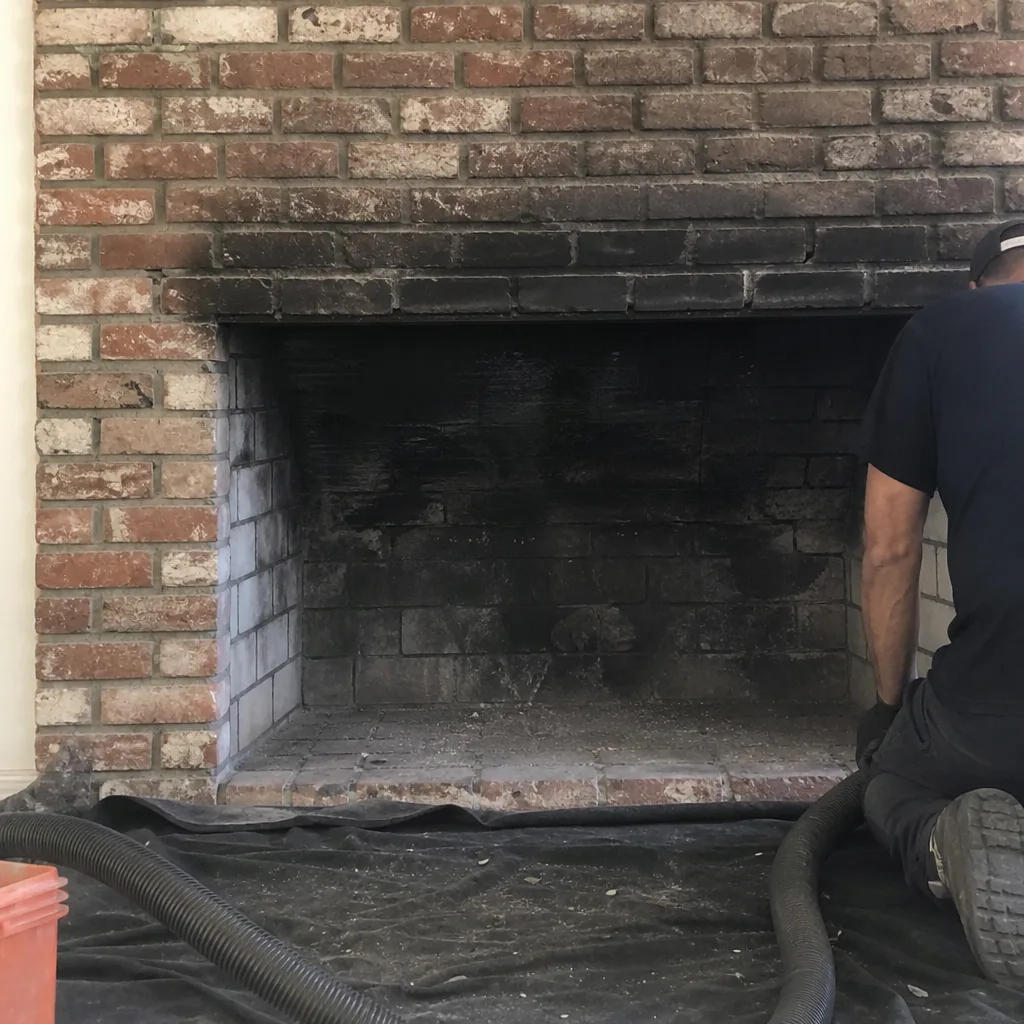 Before
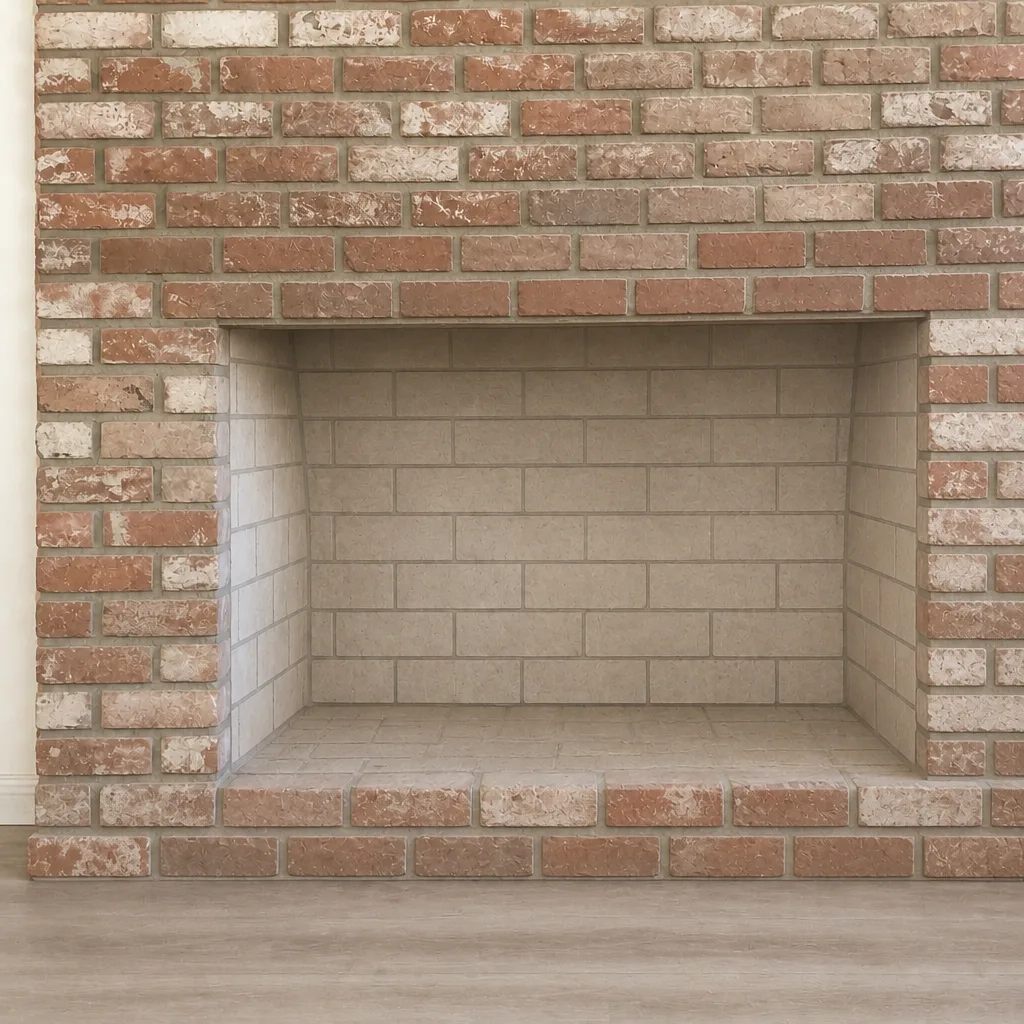 After
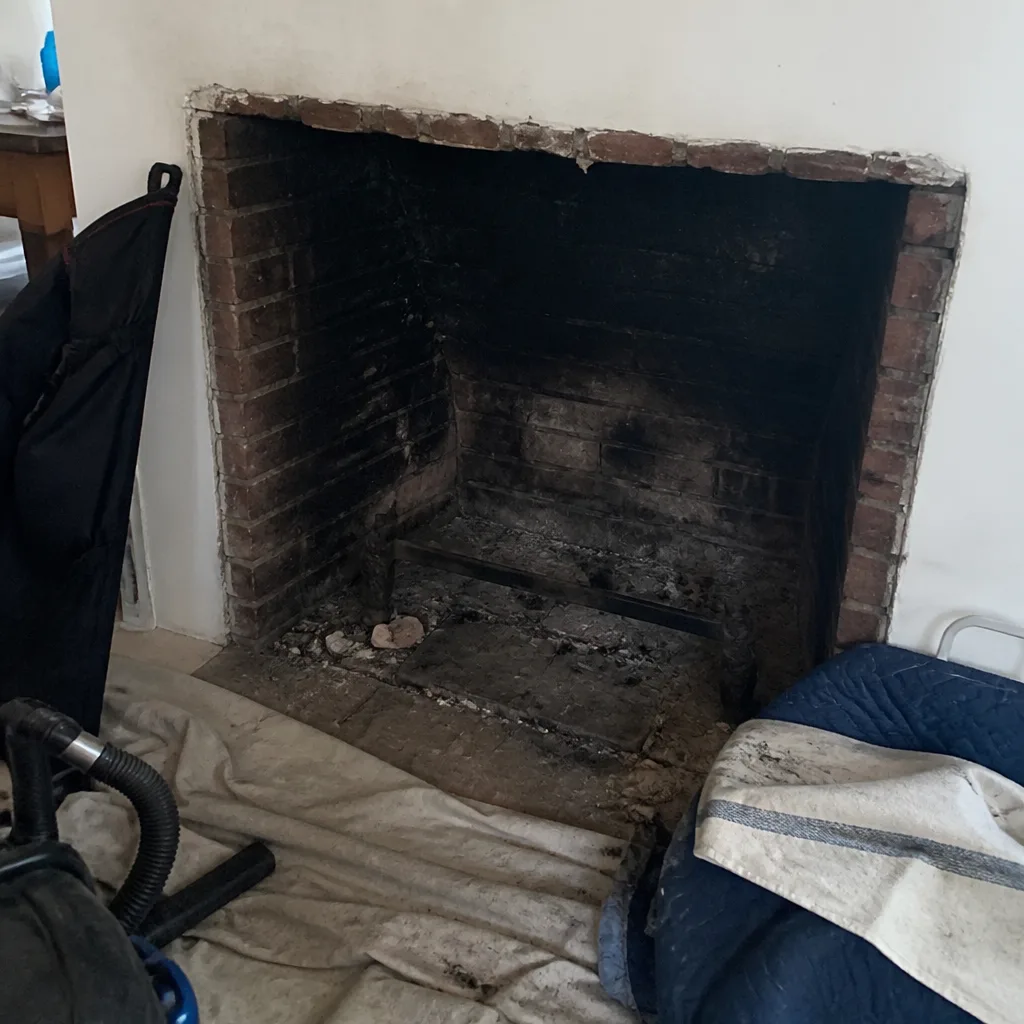 Before
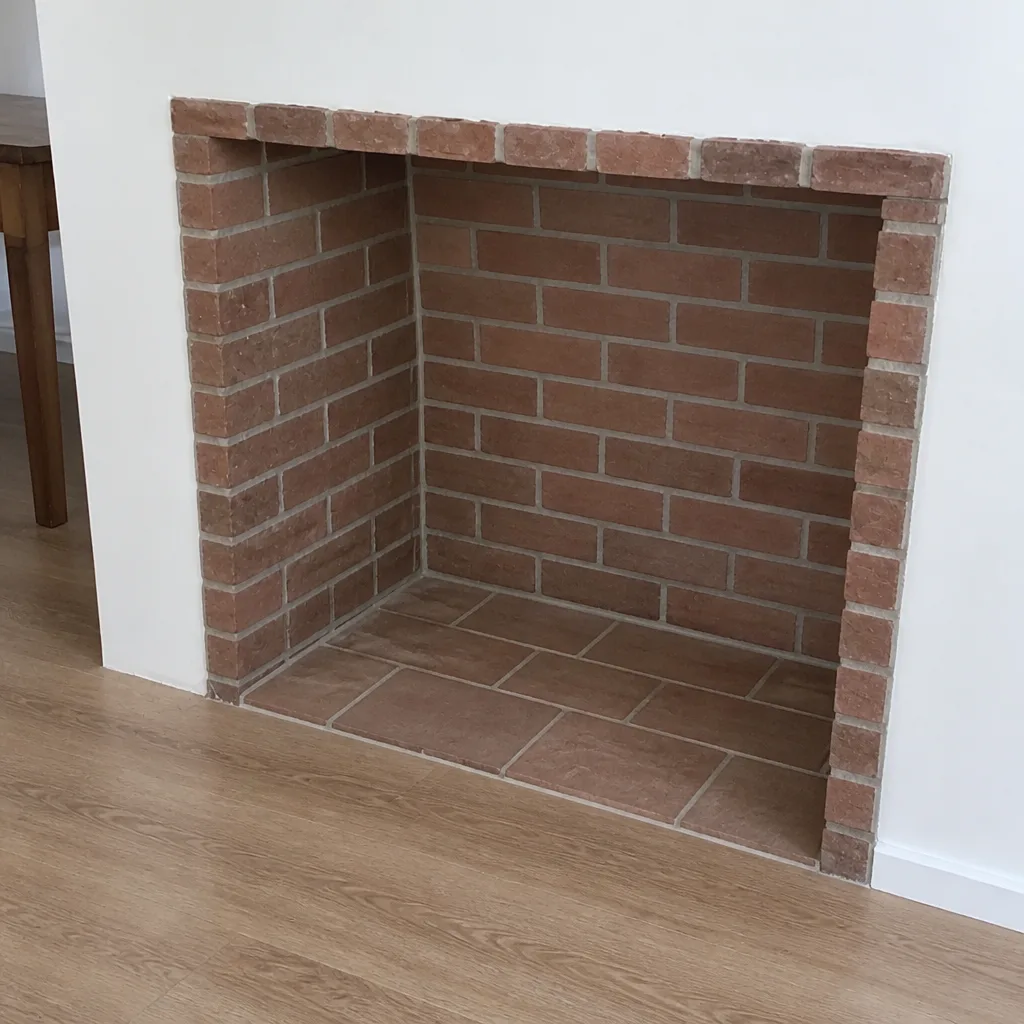 After
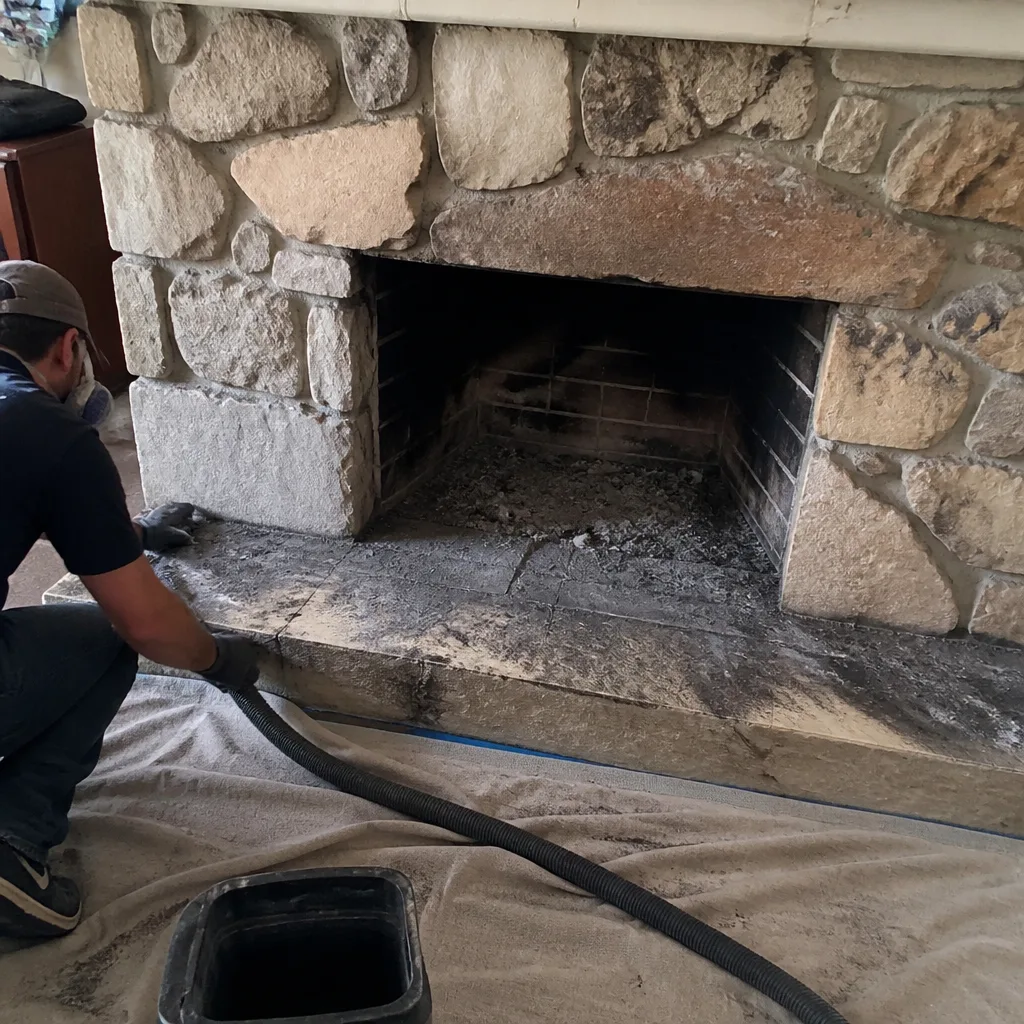 Before
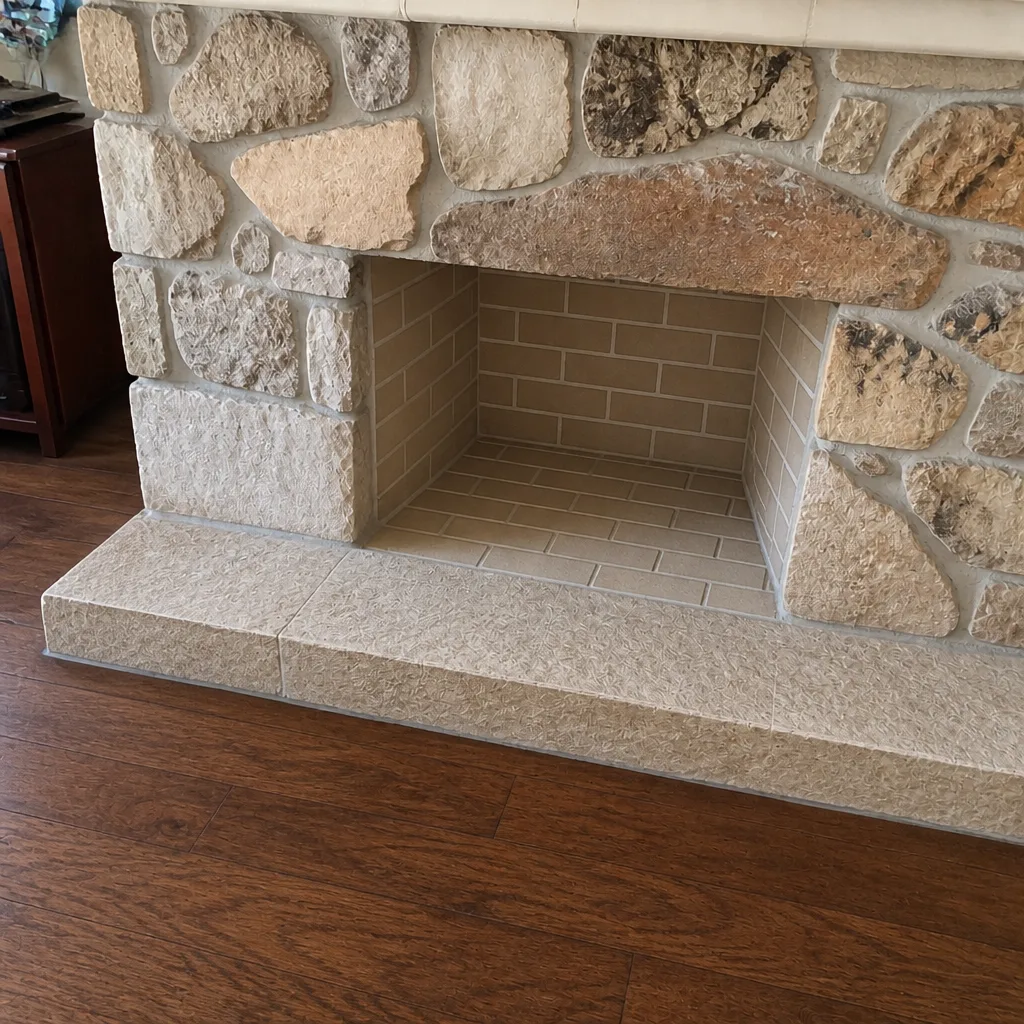 After