
Last updated November 4, 2026
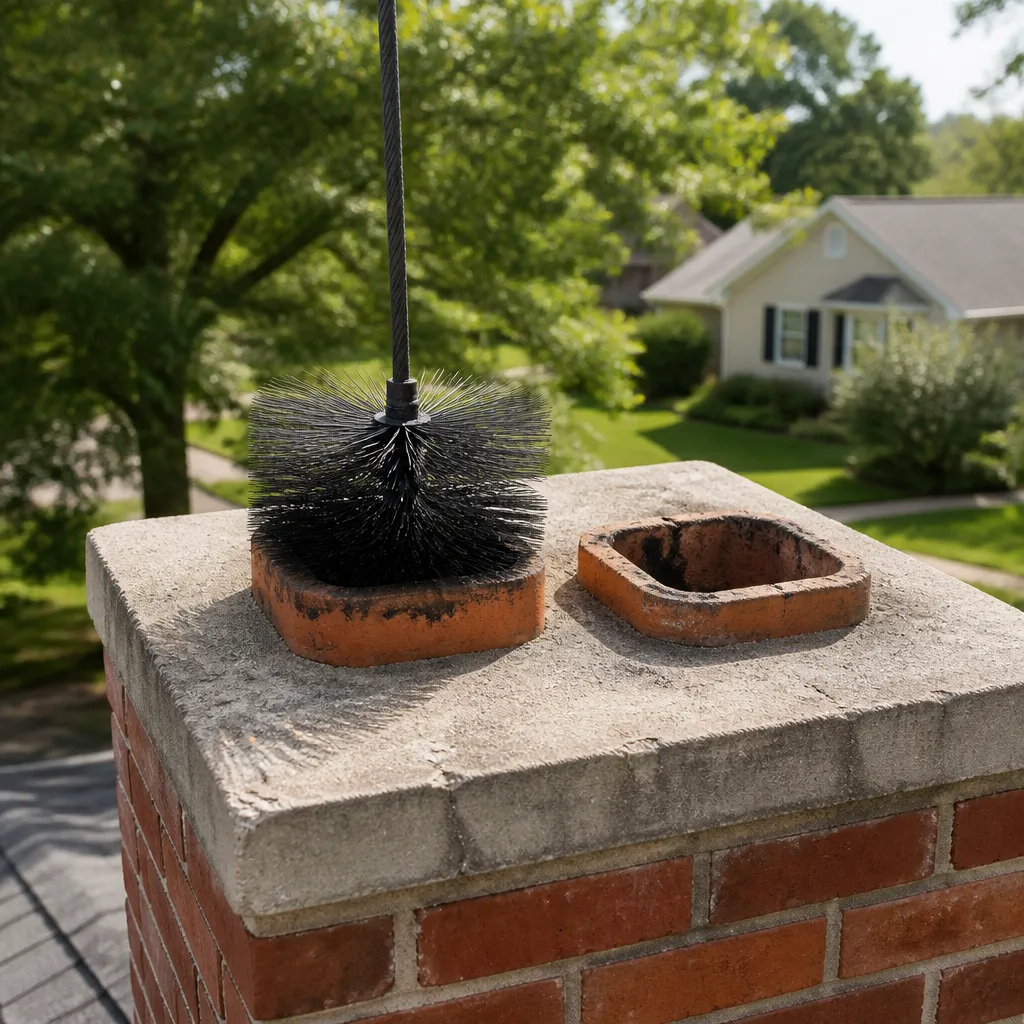 Sweep & inspection
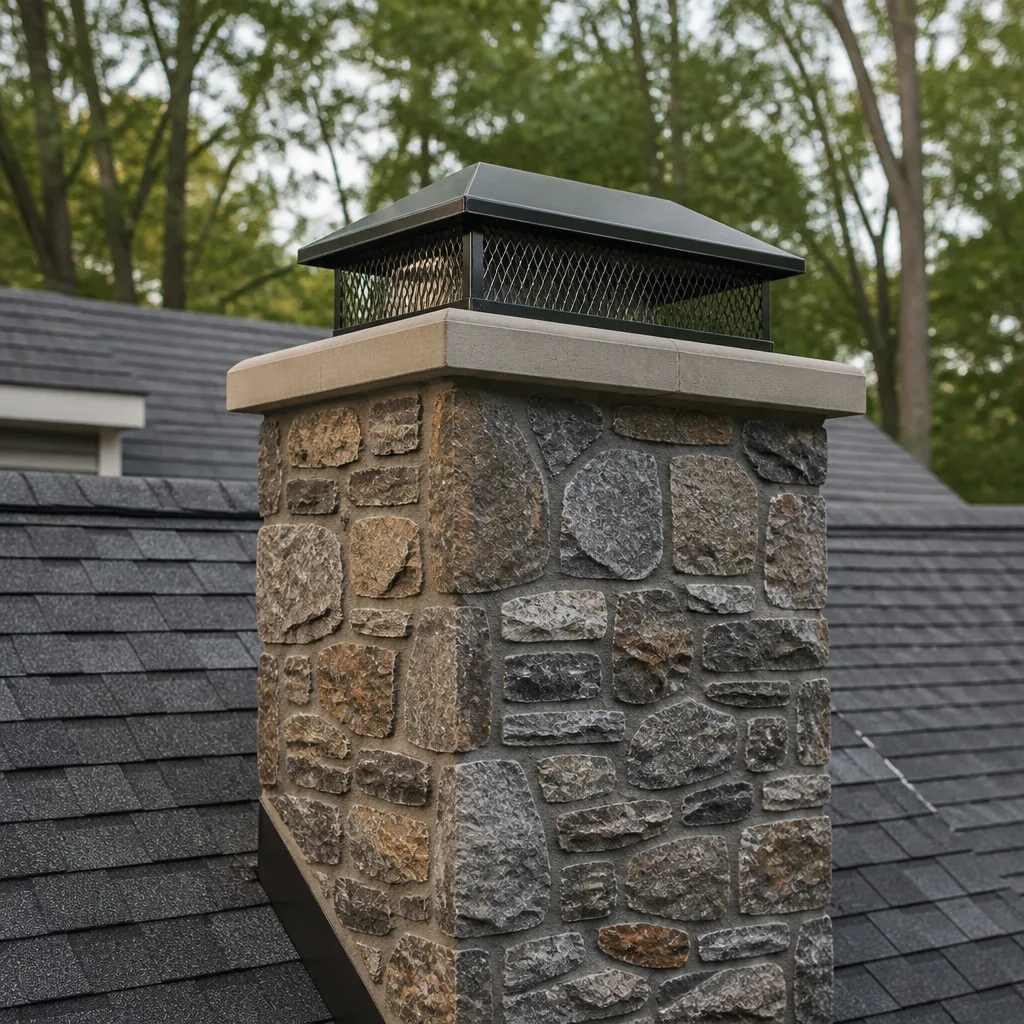 Caps & crowns
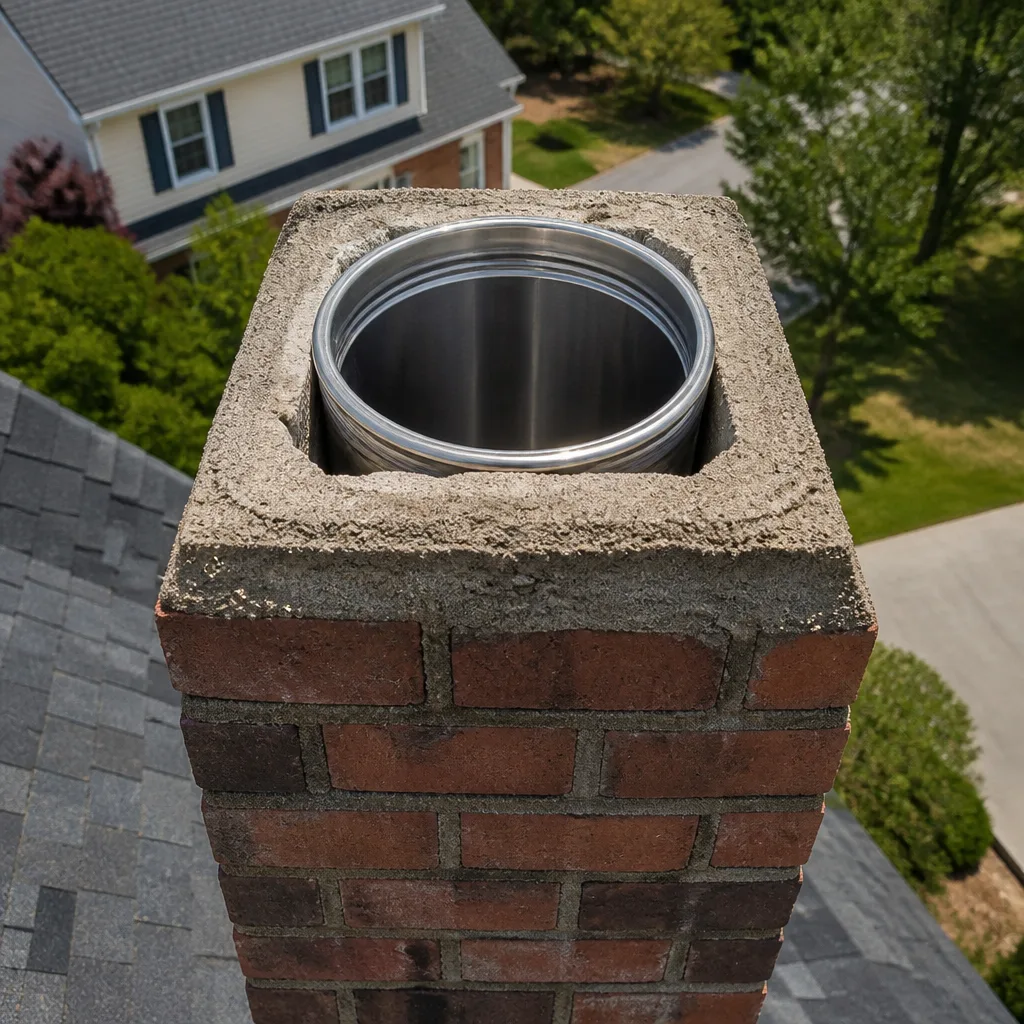 Flue relining
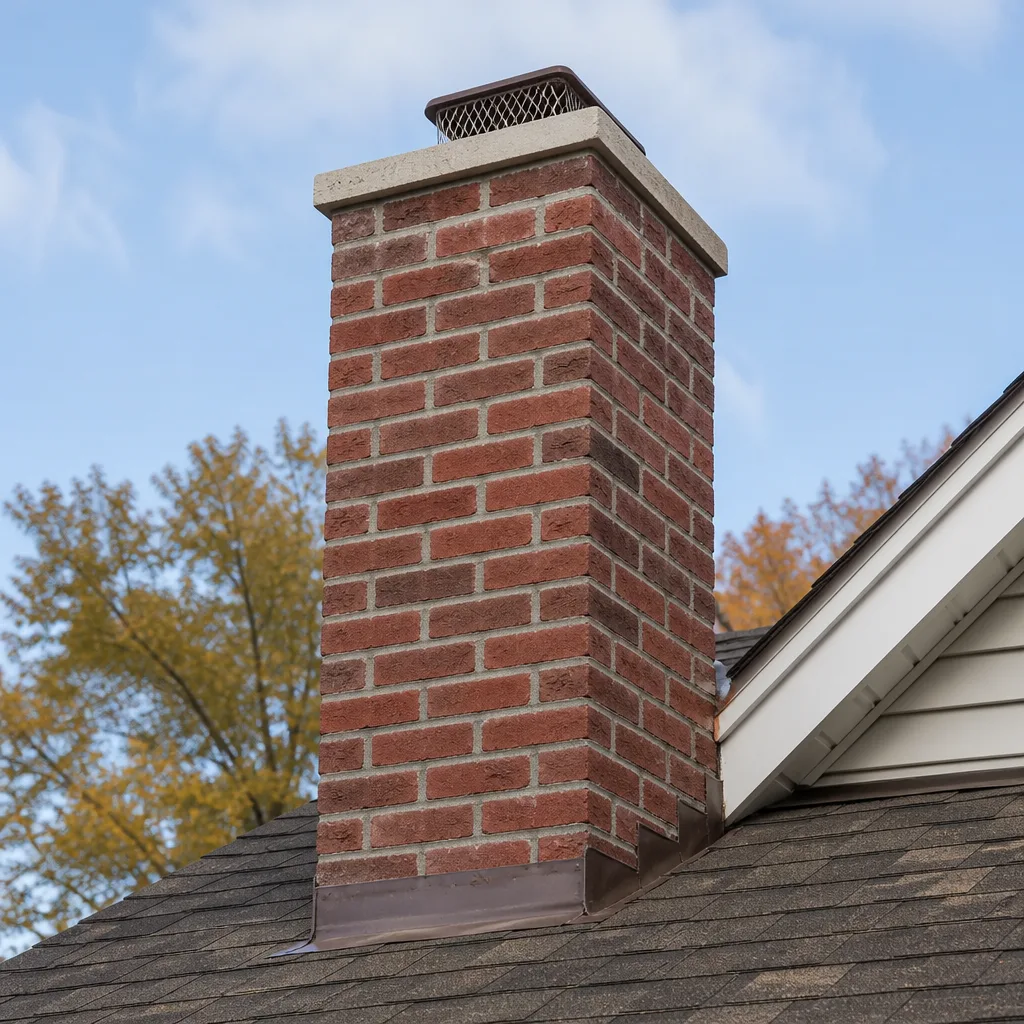 Masonry repair
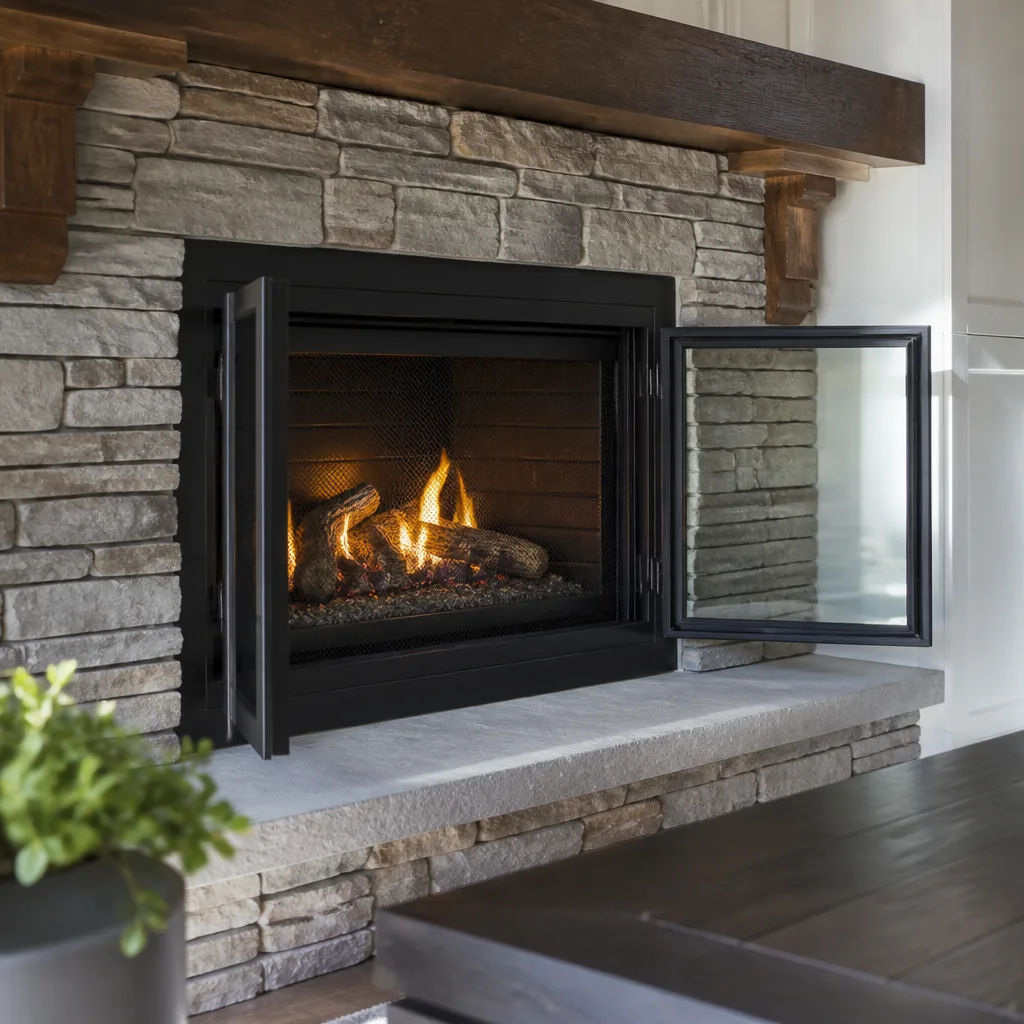 Gas fireplace service
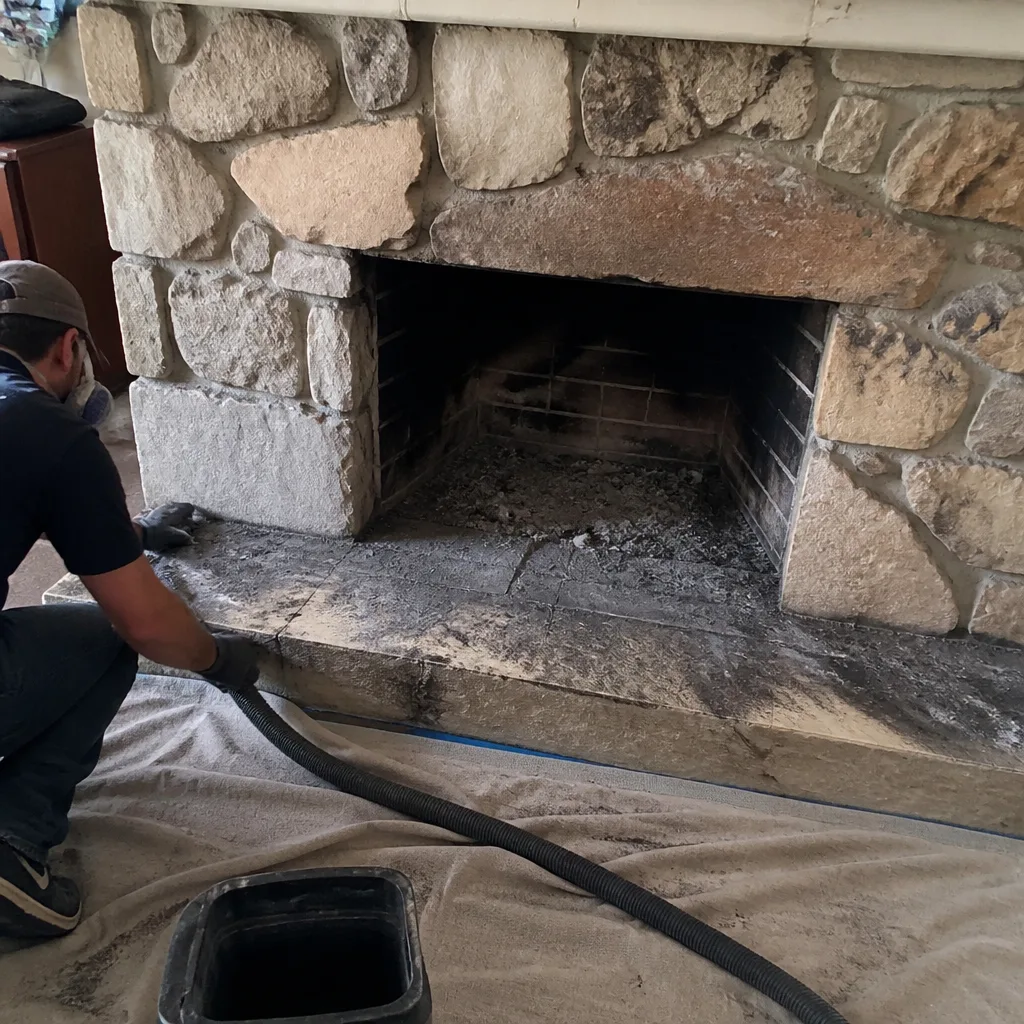
Level 1 sweep and inspection to the NFPA 211 annual standard - flue, crown, cap, and flashing checked and photographed
Chimney sweep logs do not sweep chimneys. They loosen some creosote - which then falls where a brush and vacuum still have to collect it.
Chimney Cleaning Emergency Preparedness Guide for Hollywood Hills Homes
Most homeowners in Hollywood Hills think emergency preparedness means having a go-bag by the door and an evacuation route on the fridge. Those matter. But here’s the part that gets missed: your fireplace is either a backup heat source you can trust during a power outage, or it’s a liability you’re not sure about. The difference isn’t luck. It’s documentation, maintenance, and a handful of pre-season decisions made before canyon fire conditions arrive. This guide walks through what actually needs to happen now, before you need it, so that when the wind picks up and the power flickers, your chimney is a resource instead of a question mark. We’ll cover the paperwork that matters, the physical checks that prevent ember intrusion, what a chimney fire actually looks and sounds like, and why a draft problem you’ve been tolerating becomes serious the moment you need your fireplace most.
Styles & brands we work with
- Sweep & inspection
- Caps & crowns
- Flue relining
- Masonry repair
- Gas fireplace service
Quick Answer
Chimney emergency preparedness in Hollywood Hills means having an inspection record on file, a spark arrestor and cap that are actually intact, and a flue clean enough to draft properly before fire season starts. It’s not about reacting to a chimney fire; it’s about the pre-season decisions and documentation that prevent one. A homeowner with a clean flue, a documented inspection, and a proper cap is prepared. A homeowner without those three things is gambling, and in canyon wind conditions, that gamble has real stakes.
Table of Contents
- Why Documentation Matters More Than You Think
- The Pre-Fire-Season Checklist for Hollywood Hills
- What a Chimney Fire Actually Looks and Sounds Like
- Ember Intrusion and What Cap Specifications Actually Address
- Why Draft Problems Get Critical During Power Outages
- Building Your Chimney File: What to Keep and Why Insurers Ask
- Common Mistakes to Avoid
- When to Call a Professional
- Frequently Asked Questions
- The Bottom Line
Why Documentation Matters More Than You Think
When a chimney problem happens, it rarely announces itself politely. You smell smoke in the living room. You hear a crackling sound in the flue. You see sparks from the cap at midnight. In that moment, nobody wants to discover that their last chimney inspection was years ago, the report is lost, and they have no idea whether the liner is clay or stainless steel.
Documentation is the difference between a quick, confident fix and a stressful scramble. A homeowner with a current inspection report knows what they’re working with. They know the flue size, the liner material, the last cleaning date, and what the technician flagged. That report is also exactly what an insurance adjuster wants to see if anything ever goes wrong.
For Hollywood Hills specifically, documentation matters for a second reason. Canyon fire conditions can arrive fast. When evacuation warnings are posted, you don’t have time to schedule a sweep and then wait for the report. You either have your records or you don’t. This is why we recommend every fireplace owner in Hollywood Hills keep a simple chimney file: inspection reports, cleaning receipts, any repair invoices, and photos of the cap and crown. It’s not elaborate. It’s a folder. But it changes the conversation when something needs fixing.
The Pre-Fire-Season Checklist for Hollywood Hills
Every chimney should get a pre-season walkthrough. Here’s the specific checklist we run for Hollywood Hills homes, where canyon winds and dry vegetation shape the risk profile differently than a flat suburban lot.
- Spark arrestor integrity. The mesh screen at the top of the cap should be intact, with no holes larger than the specified opening. A torn spark arrestor doesn’t just allow sparks to escape; it also allows debris in. Check it with binoculars if you can’t get on the roof safely.
- Roof line clearance. In Hollywood Hills, hedges and trees often grow right up against rooflines. Any branch within 10 feet of the chimney top becomes fuel in a wind-driven ember event. Keep vegetation trimmed back.
- Cap condition. A cracked or rusted cap lets rain in, which degrades mortar over time. More critically, a compromised cap is the entry point for embers during nearby wildfire conditions. We’ll get into that below.
- Flue cleanliness. Even a quarter-inch of creosote is enough to sustain a chimney fire. If you’ve burned more than a cord of wood since your last sweep, or if you hear a hollow, drum-like sound when you tap the flue with a poker, it’s time for a chimney sweep.
- Damper operation. The damper should open and close smoothly without sticking. A damper that won’t close means heated air escapes all season. One that won’t open fully creates a smoke problem exactly when you need the fireplace most.
- Hearth clearance. Move anything combustible at least 3 feet from the firebox opening. Rugs, firewood stacked too close, furniture. In a wind event, a stray ember from an open fire can travel farther than you’d expect.
None of these checks require special equipment. A flashlight, a pair of binoculars, and 20 minutes on a clear morning. What they require is the will to actually do them before the first cold night, not after smoke has already backed up into the living room.
What a Chimney Fire Actually Looks and Sounds Like
Most people have never seen a chimney fire, and that’s a good thing. But it means most people also don’t recognize one when it starts. Here’s what to look for.
A chimney fire sounds like a freight train or a low rumble coming from inside the flue. Some people describe it as a loud crackling, like rain on a tin roof but much sharper. It’s often loud enough to hear from outside the house. Visually, you may see thick, dark smoke pouring from the chimney top, and in serious cases, flames or sparks shooting out of the cap.
Inside the house, the firebox may sound unusually loud, and the chimney exterior may get hot to the touch.
If you suspect a chimney fire, there are exactly two correct responses.
- Call 911. Chimney fires spread. The fire department that handles Hollywood Hills knows the area, knows how fast canyon winds can carry embers, and will treat this as a structure fire until proven otherwise.
- Do not open the damper further. The instinct is to close it, which is correct if it’s already open, but the critical error homeowners make is opening it wider to let more air in. More air feeds the fire. Keep the damper as closed as it safely can be without trapping smoke in the house.
What you should never do is pour water into the fireplace. Water turns to steam, expands violently, and can crack the firebox or the flue liner. A cracked flue liner is a whole new emergency on top of the one you already have.
The best response to a chimney fire is preventing it. Chimney fires burn creosote, and creosote builds up when a flue hasn’t been cleaned. A clean flue doesn’t eliminate all risk, but it removes the fuel.
Ember Intrusion and What Cap Specifications Actually Address
In Hollywood Hills, the wildfire scenario most homeowners actually face isn’t a wall of flame at the front door. It’s embers. Wind-driven embers can travel a mile or more ahead of a fire front. They land on roofs, in gutters, on decks, and critically, into chimneys.
A chimney without a proper cap is an open pipe into your home. An ember that enters through a missing or damaged cap can land directly in accumulated creosote inside the flue. That’s an ignition source inside your house, not outside it. This is the scenario that keeps insurance underwriters up at night, and it’s the one most Hollywood Hills homeowners haven’t thought about.
What should a cap actually do? Three things. First, it should keep rain and debris out. Second, it should have a spark arrestor mesh that prevents embers both from leaving and from entering. Third, it should be sized correctly for the flue, so it doesn’t restrict draft. A cap that’s too small chokes the fireplace. A cap that’s too large lets wind blow directly across the flue opening, creating turbulence and draft problems.
Professional-grade caps from manufacturers like Gelco, Olympia Chimney, and Famco are built to tighter tolerances than what you’ll find at a hardware store. The mesh is the right gauge, the fasteners are stainless steel, and the fit is measured to the flue, not picked off a shelf. When we install a cap in Hollywood Hills, we’re thinking about the specific wind conditions this area sees: strong canyon gusts, dry air, and seasonal ember risk.
Why Draft Problems Get Critical During Power Outages
A smoke draft problem is easy to tolerate when it’s minor. You open a window, you crack the damper differently, you learn which way to hold the match. You live with it. But during a power outage, when your fireplace becomes your primary heat source, a marginal draft stops being a small annoyance and starts being a real problem.
Here’s why. The draft that pulls smoke up and out of your flue depends on a pressure difference: warm air inside the flue rising, cooler air outside. That works fine on a normal evening. But when power goes out, your house changes. No furnace fan circulating air. No kitchen exhaust pulling air out. The house seals up as you close windows to keep heat in. The fireplace suddenly has to compete for air with every other appliance and every closed room in the house.
If your flue was already drafting weakly, those conditions make it worse. Smoke backs up. Carbon monoxide becomes a real concern. You end up choosing between freezing with the windows open or filling the living room with smoke. Neither is acceptable when the whole point of the fireplace was emergency heat.
A draft problem that’s been tolerated all year is a draft problem that fails exactly when you need it most. The fix is usually straightforward: a proper cleaning, a cap adjusted for wind conditions, or a liner repair. But it’s a fix that has to happen before the outage, not during it.
This is also where having a documented inspection helps. If your last report noted borderline draft, you know to address it before fire season. If you don’t have that report, you’re guessing.
Building Your Chimney File: What to Keep and Why Insurers Ask
Insurance companies don’t like undocumented chimneys. If you file a claim related to a chimney fire or smoke damage, the adjuster will ask when the chimney was last cleaned and inspected. If you can’t answer with a date and a receipt, you’re in a weaker position. If you can, the claim process moves faster and with less friction.
Your chimney file doesn’t need to be complicated. Here’s what we recommend keeping:
- Inspection reports. Every time a technician looks at your chimney, get the report in writing. It should note the flue condition, liner material, any defects found, and the technician’s recommendations.
- Cleaning records. A receipt from a chimney sweep is proof of maintenance. Keep the date, what was done, and what was noted at the time.
- Repair invoices. If you’ve had a liner repaired, a cap replaced, or mortar work done, keep the invoice. It should describe the work and the materials used.
- Photos. A picture of your cap, your crown, and your firebox from before and after work is cheap documentation. It helps you track changes over time and gives the technician a baseline.
- Permits, if applicable. Most chimney repairs in California don’t require a separate permit beyond what a licensed contractor handles, but if any structural work was done, keep whatever paperwork was issued.
The point isn’t to build a filing cabinet. It’s to be able to answer two questions immediately: when was this chimney last inspected, and what did the report say. Hollywood Hills homeowners who can answer those two questions confidently have already done more than most.
Common Mistakes to Avoid
- Skipping the pre-season inspection because “we only use the fireplace a few times a year.” Infrequent use doesn’t mean less risk. In fact, chimneys that sit unused for long stretches can develop hidden problems that only show up when the fireplace is finally lit. A yearly look is cheap insurance.
- Burning unseasoned wood because it’s what you have. Wet or green wood burns cooler and creates creosote faster. In Hollywood Hills, where the available firewood varies widely by supplier, it’s worth confirming you’re burning wood that’s been split and dried for at least six months.
- Ignoring a small draft problem because it’s manageable. See the section above. A draft issue that’s minor on a 65-degree evening becomes a serious problem on a 40-degree night with no power.
- Treating a spark arrestor as optional. It’s not. In canyon wind conditions, a missing spark arrestor is an open invitation to embers. Replace it as soon as it’s damaged.
- Stacking firewood against the house. Firewood against an exterior wall is an ember landing pad. Keep it at least 30 feet from the structure, or cover it and keep it off the deck.
- Assuming the smoke detector covers carbon monoxide. It doesn’t. A fireplace produces carbon monoxide, and in a tight house during a power outage, CO levels can rise quickly. Install a carbon monoxide detector in the same room as the fireplace.
- Waiting until fire season to think about fire season. Every chimney professional in Southern California gets the same calls in late summer: “Can you come this week?” The time to have your chimney inspected is before the rush, not during it.
When to Call a Professional
Some chimney work is DIY-friendly. Trimming branches back from the roof, clearing hearth clutter, checking the damper by hand. The rest is not. You should call a professional if you see cracked or spalled bricks on the chimney exterior, if you notice flaking or discolored mortar in the firebox, if your cap is rusted through or the spark arrestor mesh is torn, or if you smell smoke in the house after a fire has burned for 15 minutes. Any sign of a liner problem, including pieces of clay tile in the firebox or a flue that sounds hollow when tapped, warrants a professional look. Carlton Chimney Sweep offers free estimates in Hollywood Hills. Call (855) 731-2852. We answer 24/7. Fast dispatch from 7am to 7pm, Sunday through Friday.
Frequently Asked Questions
Once a year if you burn regularly, and at minimum once every two seasons regardless of use. The National Fire Protection Association standard is annual inspection, and a sweep should happen anytime creosote buildup reaches 1/8 inch. In Hollywood Hills, where fireplaces often sit unused for months and then get heavy use during winter cold snaps, an annual check before the burning season is the safest rhythm. Call (855) 731-2852 to schedule a cleaning and inspection, or to get a free estimate for any work your chimney needs.
A chimney fire sounds like a loud rumble or a roaring freight train coming from inside the flue, often with sharp crackling that’s louder than normal fire sounds. You may also hear it from outside the house. If you hear this sound and see thick dark smoke or sparks from the chimney top, call 911 immediately and keep the damper as closed as possible without trapping smoke indoors.
Yes. A spark arrestor is not optional equipment for this area. It prevents embers from leaving your chimney and, just as importantly, prevents embers from entering it during nearby wildfire conditions. If your spark arrestor mesh is torn or missing, replace it before fire season. A proper cap with the right mesh specification is a standard part of the chimney system, not an add-on.
Yes, if the flue is clean, the damper opens fully, and the draft works properly. The problem is that a chimney with a marginal draft will fail during an outage because the house is closed up and the fireplace has to pull air against a sealed interior. If your fireplace smokes even slightly under normal conditions, address the draft problem before you need to rely on it.
A chimney sweep in Hollywood Hills typically costs between $180 and $350 depending on flue size, accessibility, and how much creosote has accumulated. That’s an estimate, not a fixed price; the final number comes from a written estimate after we see the chimney. Call (855) 731-2852 for a free estimate.
Smoke in the house after the fire has been burning for 15 minutes usually means a draft problem, a partially closed damper, or a flue obstruction. Open a window slightly to help the draft, make sure the damper is fully open, and if the problem continues, stop using the fireplace and have it inspected before the next fire. Persistent smoke is a sign that combustion gases, including carbon monoxide, are not being properly vented.
The Bottom Line
Chimney emergency preparedness in Hollywood Hills isn’t a fire extinguisher by the hearth or a brave plan to fight a flue fire yourself. It’s the boring, high-value work that happens months before an emergency: a documented inspection, a clean flue, an intact cap with a proper spark arrestor, and a draft that works when the house is sealed up and the power is out. Those four things determine whether your fireplace is a resource or a liability when canyon conditions turn serious. If you’re not sure where your chimney stands, start with the paperwork you have, the checks you can do from the ground, and a professional look at everything else. A dryer vent cleaning is part of the same whole-home ventilation picture; both systems deserve the same attention. Your fireplace is either ready or it’s a question mark. In Hollywood Hills, question marks have a way of becoming expensive.
Written by the team at Carlton Chimney Sweep, serving Hollywood Hills since 2015.
See the difference
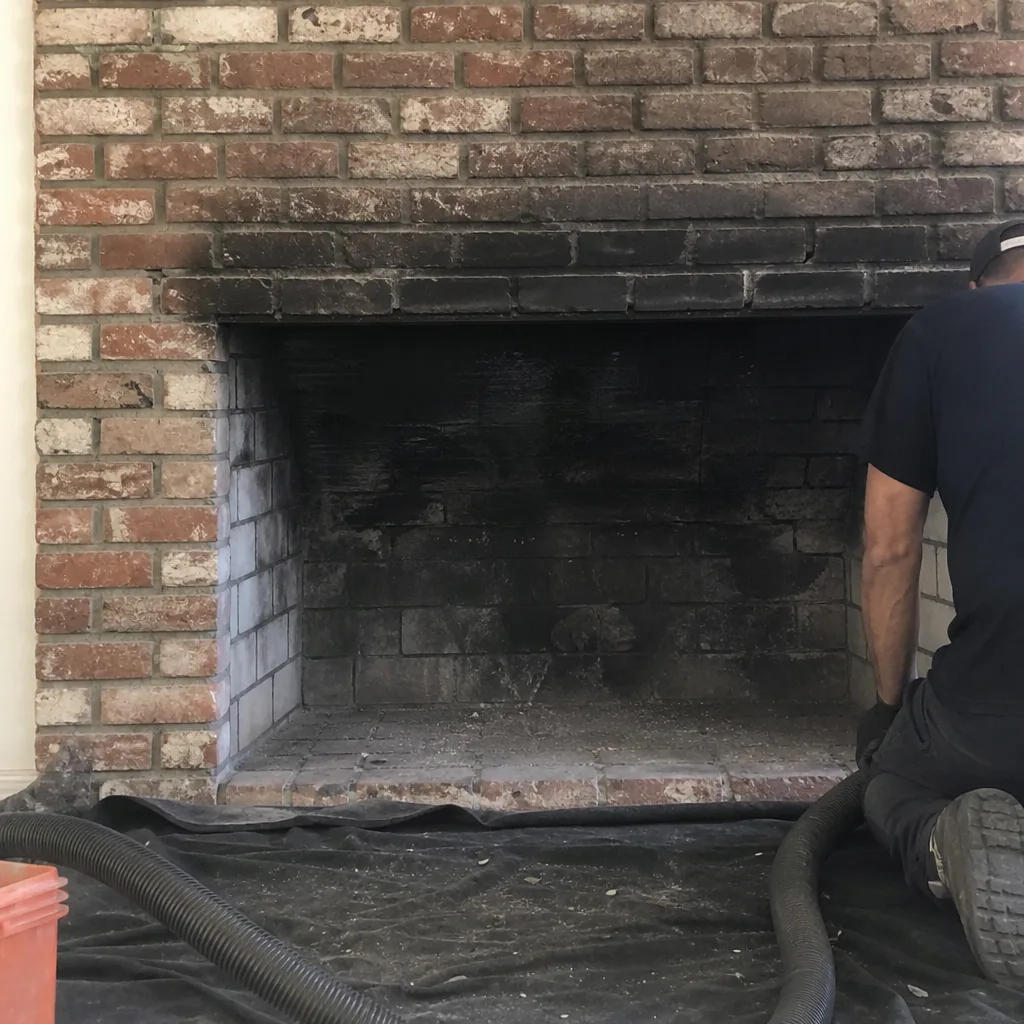 Before
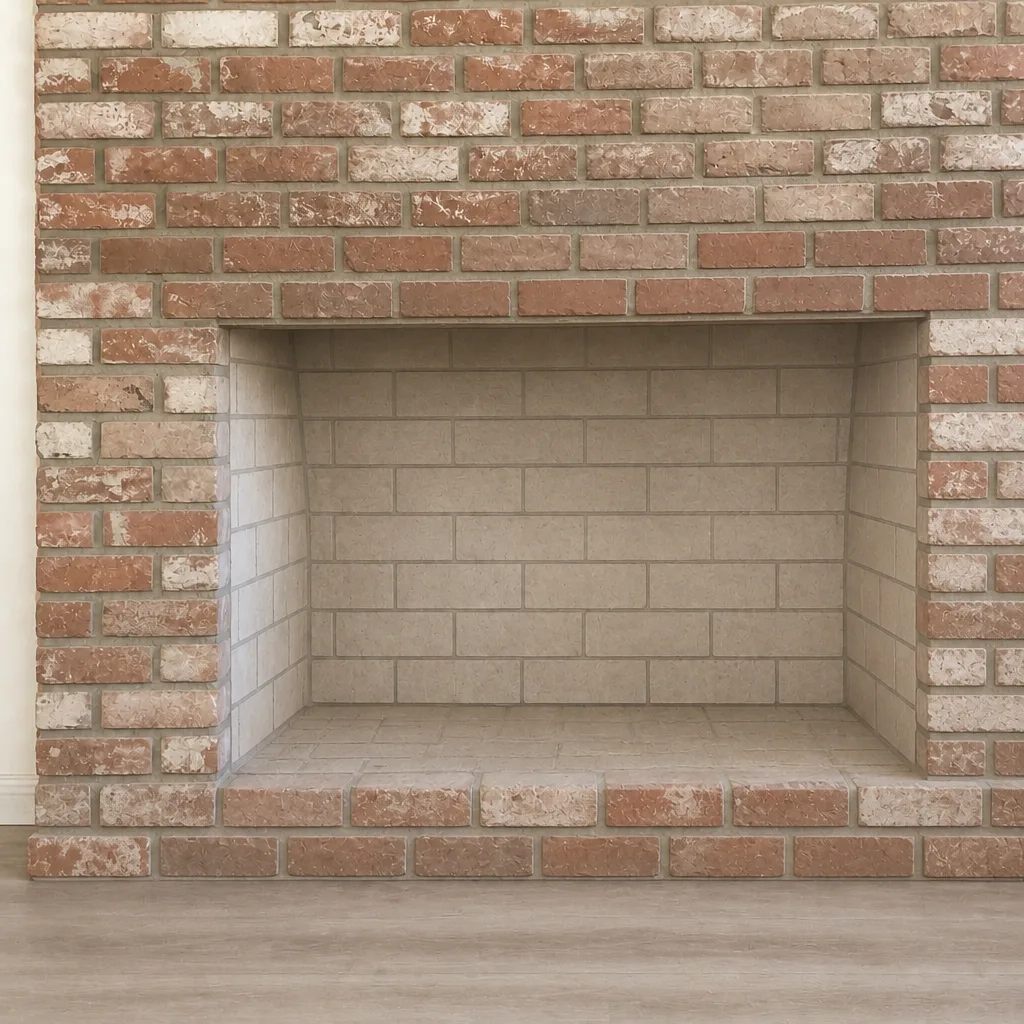 After
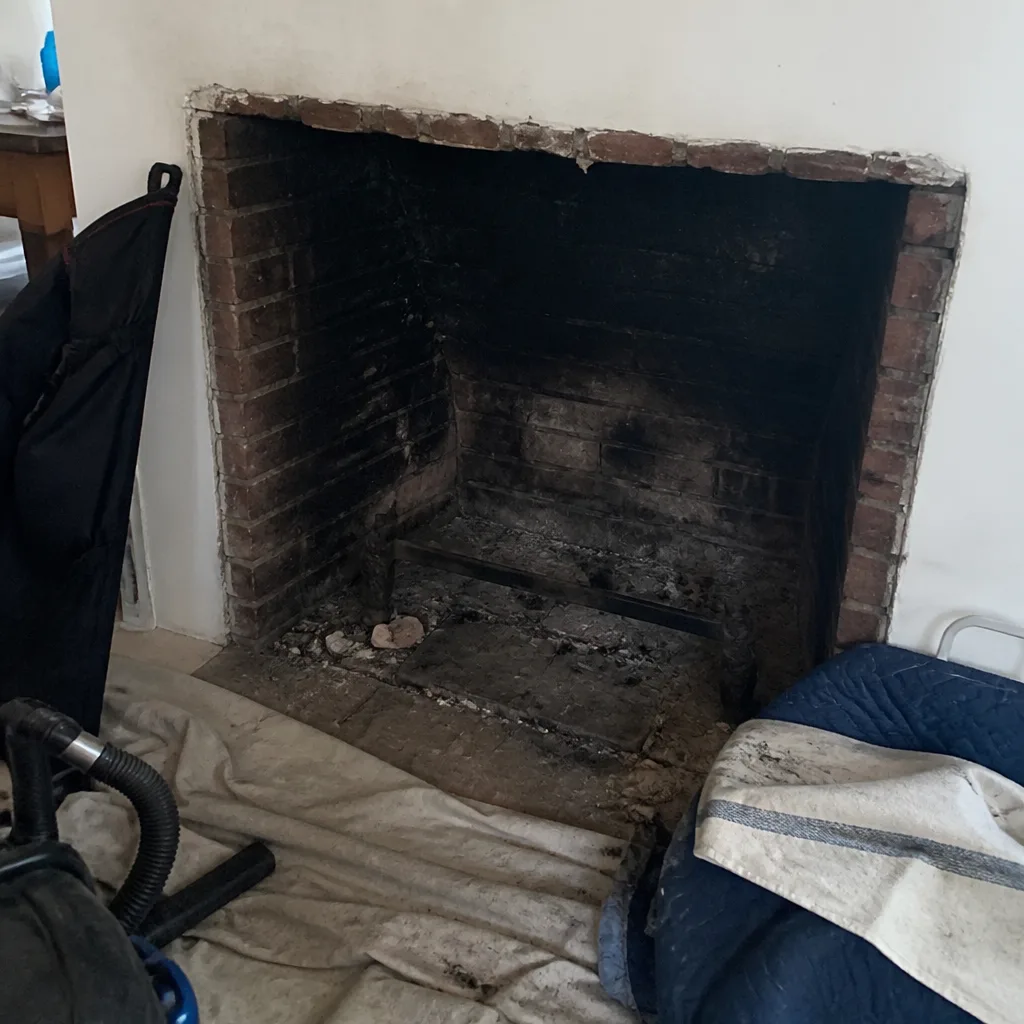 Before
 After
 Before
 After