Last updated November 4, 2026
 Sweep & inspection
 Caps & crowns
 Flue relining
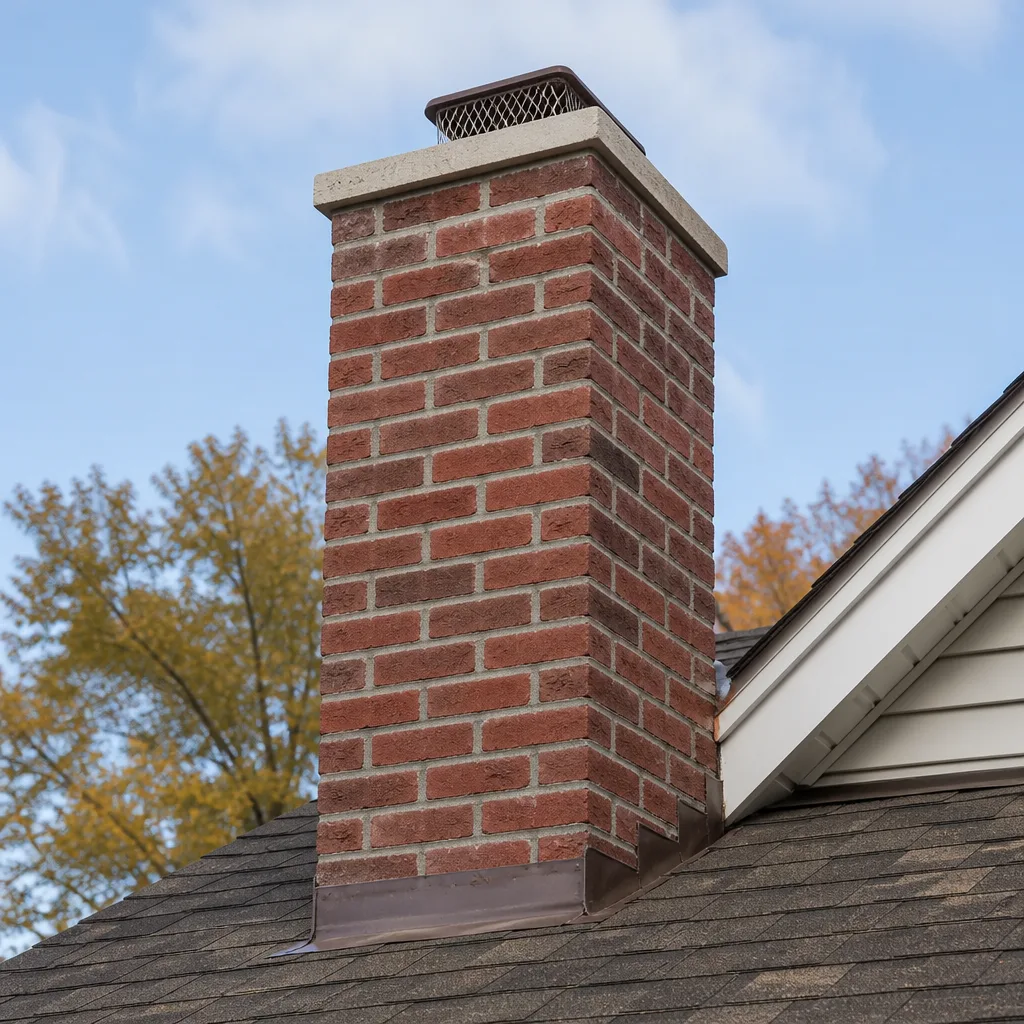 Masonry repair
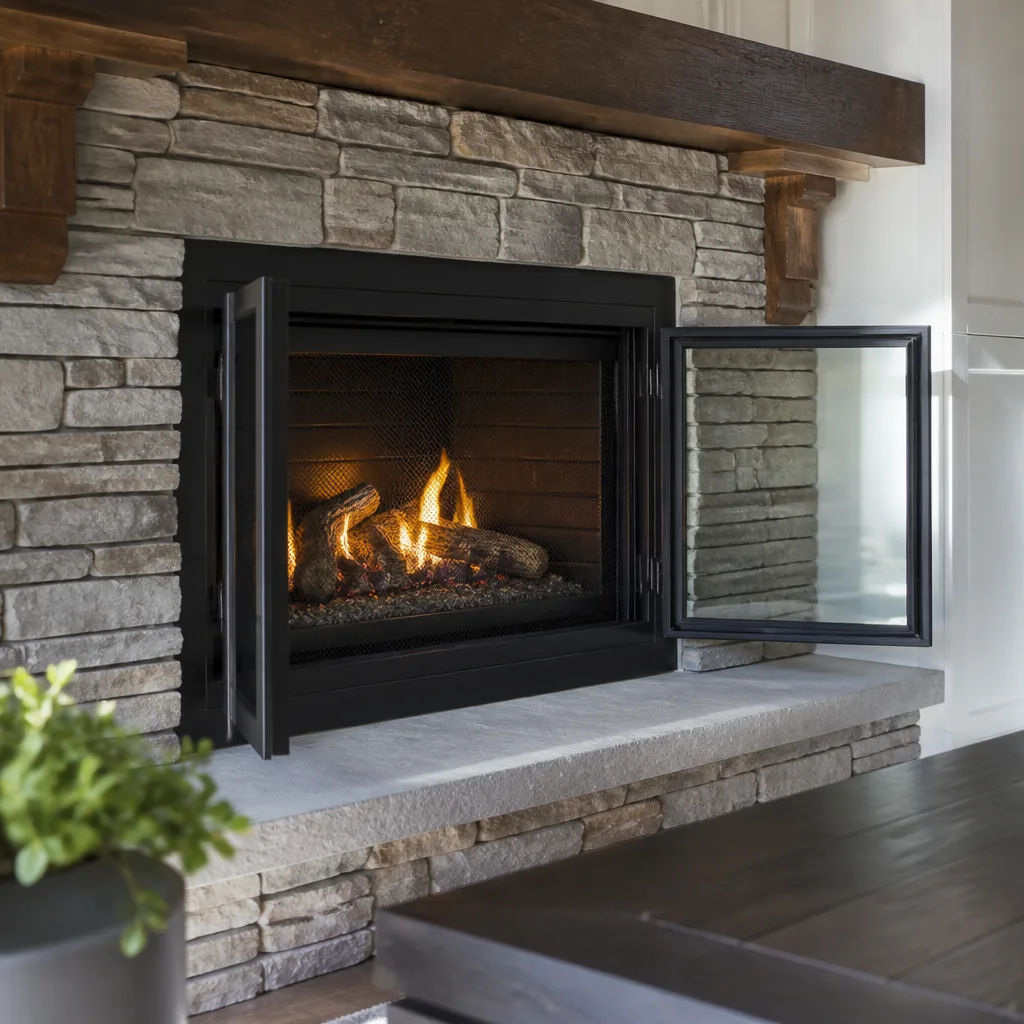 Gas fireplace service
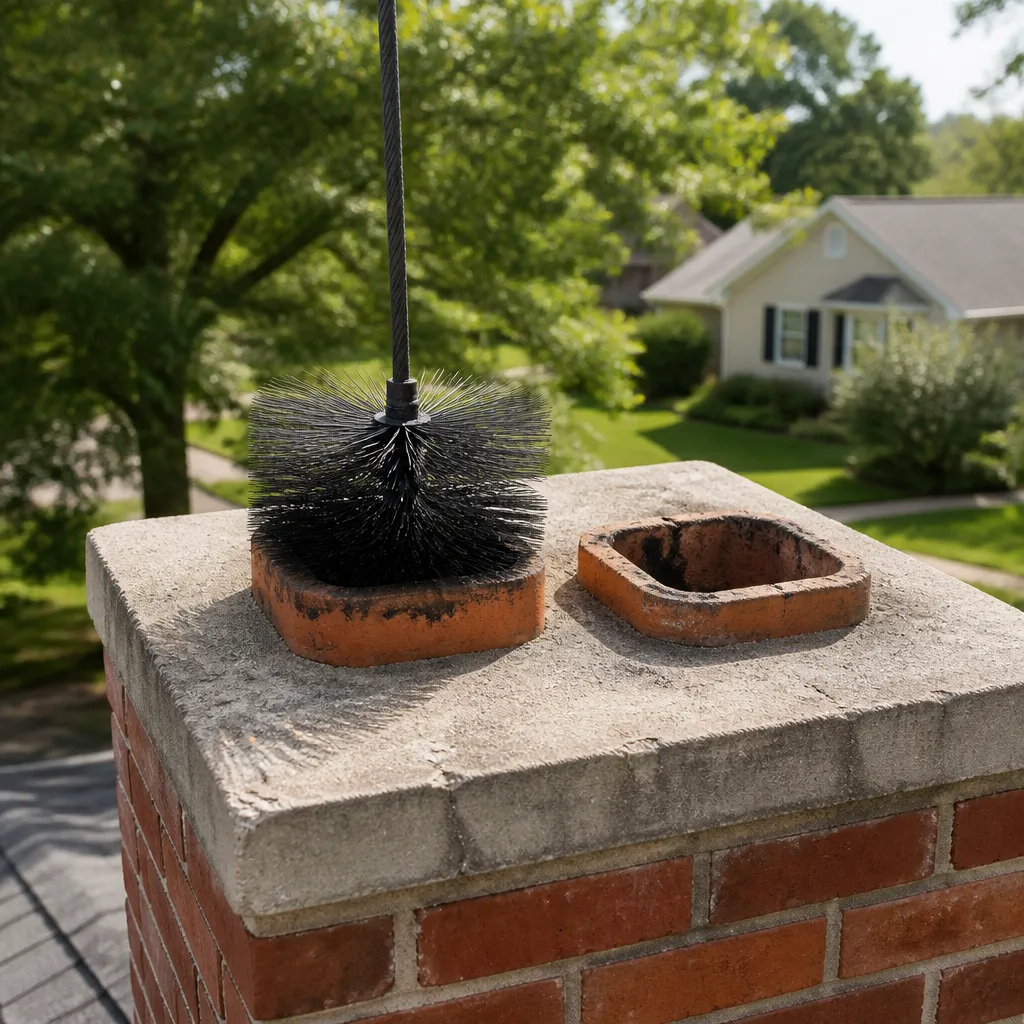
Level 1 sweep and inspection to the NFPA 211 annual standard - flue, crown, cap, and flashing checked and photographed
Chimney sweep logs do not sweep chimneys. They loosen some creosote - which then falls where a brush and vacuum still have to collect it.
Chimney Cleaning Permits, Codes & Inspections in Hollywood Hills, CA: What You Need to Know
Sweeping your flue needs no permit. Relining it, raising the crown, or installing a new cap in certain fire-hazard severity zones? That’s a different conversation with the LA County Building and Safety office. Most Hollywood Hills homeowners we talk to assume chimney work is all maintenance, all the time. The truth is more useful than that, because the line between cleaning and construction matters, and it’s drawn in a few specific places. This guide maps that line so you know what requires paperwork, what requires an inspection, and what a contractor should be telling you before the work starts.
Styles & brands we work with
- Sweep & inspection
- Caps & crowns
- Flue relining
- Masonry repair
- Gas fireplace service
Quick Answer
Routine chimney sweeping and a standard visual inspection require no permit anywhere in Hollywood Hills. You need a permit when the work crosses into alteration territory: relining a flue, rebuilding a firebox, raising or rebuilding the crown, or modifying the chimney structure itself. The trigger words are alteration and repair that changes dimensions, materials, or the path of exhaust. If the work only removes soot and creosote, you’re doing maintenance. If it changes how the chimney is built, you’re doing construction.
Table of Contents
- Maintenance vs. Alteration: Where LA County Draws the Line
- How Hollywood Hills Fire Hazard Zones Change Cap and Spark Arrestor Rules
- The LA County Permit Process for Chimney Work, Step by Step
- What a CSIA-Style Report Tells You vs. What LA County Inspection Requires
- Title 24 and Ventilation: What Older Hollywood Hills Homes Get Wrong
- How to Verify a Contractor Is Pulling the Correct Permits
- Common Mistakes to Avoid
- When to Call a Professional
- Frequently Asked Questions
- The Bottom Line
Maintenance vs. Alteration: Where LA County Draws the Line
The Los Angeles County Building Code, which governs Hollywood Hills, distinguishes between ordinary maintenance and work that requires a permit. Ordinary maintenance means keeping existing equipment in good working order without changing its structure or configuration. Cleaning a chimney falls squarely in that category. You don’t need a permit to have a chimney sweep remove creosote, soot, or the occasional bird nest. You don’t need one to run a camera up the flue for an inspection. That’s true whether the chimney vents a fireplace, a wood stove, or a furnace.
The line gets crossed when work changes something physical. Here’s the working distinction we use and you should too:
- No permit: chimney sweeping, flue inspection, smoke chamber cleaning, damper lubrication or minor damper adjustment, crown sealing with a flexible sealant applied to the existing crown without rebuilding.
- Permit required: full or partial flue relining, firebox rebuild, smoke chamber parging (building a new wall surface, not just cleaning), crown rebuild beyond sealant, adding a new damper system, changing flue diameter or class, installing a new chimney or extending an existing one, or any structural repair to the masonry shell.
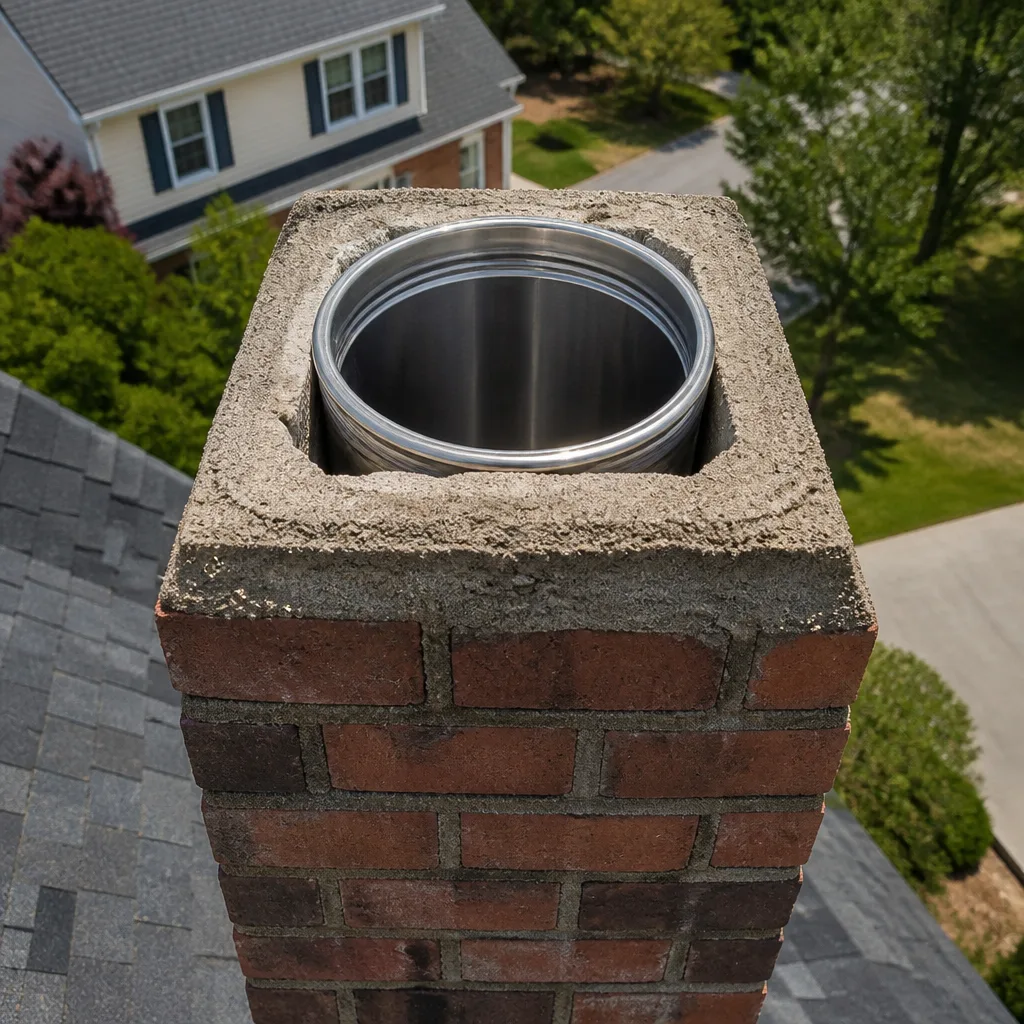
Why does a liner swap require a permit when a sweep doesn’t? Because the liner is part of the building’s fire-resistance assembly. Swap it out, and the inspector needs to verify the new materials meet current performance standards, the termination height is correct, and the smoke path hasn’t changed in a way that affects the rest of the house.
When we replace a liner in Hollywood Hills, the process typically includes a permit application, a field inspection after installation, and a copy of the final inspection record for the homeowner’s file. Homeowners should expect that process, and should be suspicious of any contractor who says liner work is “just maintenance” and skips the paperwork.
How Hollywood Hills Fire Hazard Zones Change Cap and Spark Arrestor Rules
Much of Hollywood Hills falls within a Very High Fire Hazard Severity Zone, which the California Department of Forestry and Fire Protection maps and the local fire authority enforces. This designation matters for chimneys in a way it doesn’t for most other parts of the house. If you live in the zone, the requirement for a spark arrestor isn’t optional. It’s a code section, and the fire inspector takes it seriously.
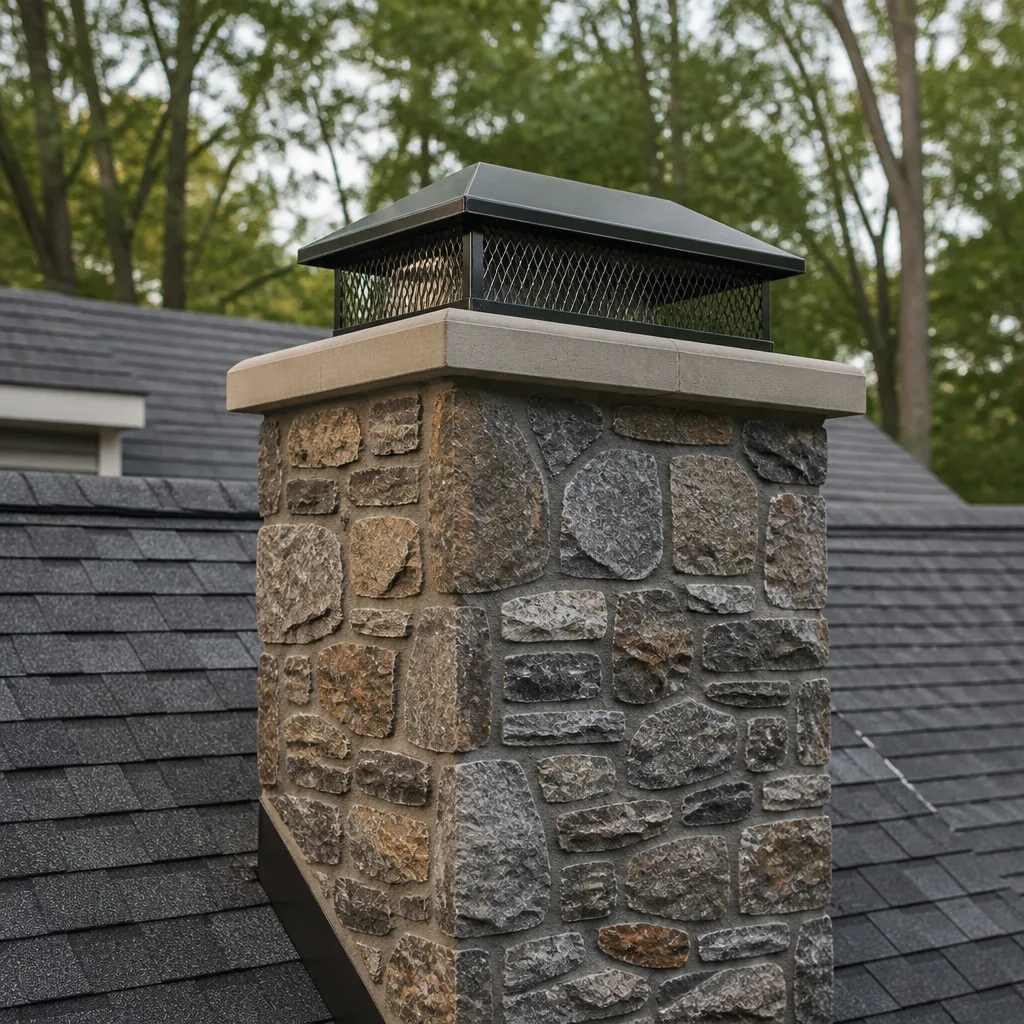
The practical upshot: your chimney cap needs to include a spark arrestor screen, typically with openings sized to keep embers from escaping. The exact mesh dimensions and the accepted construction details are written into the California Fire Code and the local fire district’s requirements. A homeowner who replaces an old, unscreened cap with a new one that also has no screen may have created a code violation, not fixed one.
This is a place where the right materials matter. The caps and ventilation components we use, including products from Gelco and Famco, are built with the screen specifications that California fire-hazard zones require. That’s a hardware-store cap problem in Hollywood Hills: the cheap caps often meet no fire-zone standard at all, and the homeowner doesn’t find out until an inspector flags it.
Before replacing a cap or adding a spark arrestor in Hollywood Hills, ask two questions. First, is the property in a Very High Fire Hazard Severity Zone? Check the map through the city or county fire authority. Second, does the cap you’re buying meet the current screen-mesh standard? If you’re working with a chimney contractor, they should be able to answer both in a minute.
The LA County Permit Process for Chimney Work, Step by Step
Permitting in LA County is straightforward when you know the sequence. Here’s how it goes for a typical liner replacement or firebox rebuild in Hollywood Hills:
- Determine if the work is maintenance or alteration. If it’s cleaning or inspection, stop here. No permit needed. If it changes the structure or flue, continue.
- Have a chimney contractor prepare the scope of work. The permit application asks what’s being changed, which materials are specified, and whether the flue serves a fireplace, wood stove, or gas appliance. Generic descriptions create delays; specific descriptions move faster.
- Submit the application to LA County Building and Safety. The contractor typically handles this, but the permit is issued for the address, and the property owner should be named on the paperwork.
- Pay the permit fee. Fees vary by work type and valuation. The permit fee is part of the project cost, and any contractor’s estimate should state whether it’s included or separate.
- Schedule the inspection after the work is done. For liner work, the inspector may want to see the flue before the new liner is concealed. The contractor should plan for this, not hide it in the sequence.
- Keep the final inspection record. This is the proof the work was permitted and inspected, which matters when you sell the house. Unpermitted chimney work is a disclosure issue in Hollywood Hills real estate.
One point that surprises homeowners: the inspector’s role is code compliance, not cleanliness or performance. An inspector verifies the installation matches the approved plan and meets the current code. They don’t assess whether the flue is clean or whether the appliance burns efficiently. That’s the sweep’s domain. The two processes are separate, and both matter.
What a CSIA-Style Report Tells You vs. What an LA County Inspection Requires
There’s a meaningful difference between a chimney inspection report and an LA County inspection, and Hollywood Hills homeowners benefit from understanding both. A chimney contractor’s inspection report, performed to professional standards like those the Chimney Safety Institute of America establishes, documents the condition of the flue liner, the smoke chamber, the damper, the crown, and the visible masonry. It includes photos from the camera scan and notes on defects, clearances, and maintenance needs. This report is for you, the homeowner. It’s how you know what’s actually inside the flue before you commit to repairs.
An LA County inspection is different. It’s a code-compliance check tied to a permit. The inspector confirms that the work described in the permit was performed, that the materials meet the current standard, and that the installation is safe enough to put into service. The county inspector isn’t writing you a condition report. They’re checking the box on the permit.
Both have value. The inspection report is what we at Carlton Chimney Sweep provide after every sweep and inspection, because homeowners in Hollywood Hills tell us the same thing over and over: they want to see what we saw. A camera scan with photos answers the question of whether the liner is cracked before a quote for liner work. The county inspection just verifies the work after it’s done. Don’t mistake one for the other.
When a liner replacement is permitted, the sequence works like this: sweep and camera inspection first, report to the homeowner, permit application, liner installation, county inspection. Miss any step and the chain breaks, either in the paperwork or in the confidence you have that the flue is actually sound.
Title 24 and Ventilation: What Older Hollywood Hills Homes Get Wrong
California’s Title 24 energy and ventilation standards affect chimney-adjacent work in ways that aren’t obvious until they’re on your inspector’s checklist. The big one for older Hollywood Hills homes is combustion air. Homes built before current code often relied on passive air leakage through the building shell to feed a fireplace or wood stove. That works when the house is drafty. It stops working when the house is tightened up with new windows, new insulation, or new weatherstripping.
Title 24 addresses this through make-up air and combustion air requirements. If you’re doing significant chimney work, particularly work that involves a permit, the inspector may ask how the appliance gets its combustion air. In some Hollywood Hills homes, the answer is that it doesn’t, not adequately. That can extend the scope of work to include adding a combustion air vent. The chimney was never the problem. The house was too tight for the chimney to work.
There’s also the practical side. A well-sealed house with a fire going pulls air from wherever it can: down the chimney, out of the water-heater flue, through the range hood. That’s how mild-weather Hollywood Hills homes end up with smoke smell after the fire is out, or with carbon monoxide concerns around a gas water heater. The fix is proper ventilation design, not just a sweep.
When we look at a chimney in Hollywood Hills, we’re looking at more than the flue. We’re asking whether the whole ventilation picture works. That’s why we also provide dryer vent cleaning: the same house that has a starved fireplace often has a clogged dryer duct, and the fix for one sometimes reveals the other. A chimney specialist who only looks up the flue misses what the rest of the house is telling them.
How to Verify a Contractor Is Pulling the Correct Permits
This is the section that saves Hollywood Hills homeowners the most money. A contractor who says “we don’t need a permit for this” on a liner replacement is either misinformed or trying to avoid the inspection. Either way, you’re the one holding the unpermitted work when you sell the house or file an insurance claim.
Here’s how to verify, in order:
- Ask the contractor to state, in writing, whether the specific work requires a permit. Verbal answers don’t hold up. You want a line item or a sentence in the estimate. If they won’t write it, that’s information.
- If a permit is required, confirm the permit number before work starts. LA County issues a number when the application is accepted. No number, no application. Don’t accept “we filed it” as an answer.
- Check the permit is for the correct address and the correct scope. A permit for a water heater isn’t a permit for a chimney liner. Mistakes happen with busy offices. It’s your address on the form.
- Verify the contractor is licensed through the California Contractors State License Board. Los Angeles County requires a state contractor’s license for permitted chimney work. You can look up the license online without cost.
- Confirm the final inspection will be scheduled and that you’ll get a copy of the record. A permit without a final inspection is an open permit, and open permits become problems. The contractor should be the one scheduling and meeting the inspector.
A reputable contractor has no problem with any of this. In our experience, the pushback comes from the ones who’ve been working unpermitted for years and don’t want the county on the property. In Hollywood Hills, where homes change hands at high values and disclosure rules are strict, an unpermitted chimney repair is a five-figure problem waiting to surface.
Common Mistakes to Avoid
- Assuming all chimney work is maintenance. Cleaning is maintenance. Liner replacement, firebox rebuilds, and crown rebuilds are alterations that need permits. The distinction is based on what changes, not on how the work feels.
- Skipping the spark arrestor requirement in fire-hazard zones. A new cap without a compliant screen is a code violation in the wrong direction. Hollywood Hills properties in Very High Fire Hazard Severity Zones must have a spark arrestor, and the screen mesh has to meet the standard.
- Taking a contractor’s verbal “no permit needed” at face value. Get it in writing. Then verify with LA County Building and Safety. The permit status of liner work isn’t a gray area, and a contractor who can’t explain the rule in one sentence doesn’t know it.
- Confusing a contractor’s inspection report with a county inspection. The report documents condition. The county inspection verifies code compliance on permitted work. You need both, but they serve different purposes and different audiences.
- Ignoring combustion air on an older home. Tightened-up Hollywood Hills houses starve the fireplace. A sweep fixes the flue, but if the appliance can’t draw, the problem returns. Title 24 exists for a reason.
- Saving the permit paperwork in an email folder that dies with a phone. Keep a paper copy. When you sell the house, the final inspection record is your proof of permitted work. Emails get lost. Paper in a file doesn’t.
- Using hardware-store caps and connectors in a fire-zone chimneys. The big-box cap that fits might not meet fire-zone screen requirements. Professional-grade components, like the ones we install from Gelco and Famco, are built to the standard. Cheap caps aren’t.
When to Call a Professional
You need a chimney professional when the work is more than a visual look from the living room. If you smell smoke when the fire isn’t lit, see cracked tile in the firebox, notice rust or staining on the ceiling near the chimney, or hear dripping inside the flue on a dry day, call. If you didn’t get a permit for liner work in the past and you’re about to sell the house, call and ask about a condition report and what retroactive permitting would take. If the fireplace smokes only on windy days, that’s a termination height or cap issue, and film crews in the hills didn’t make it easier to guess. Carlton Chimney Sweep offers free estimates in Hollywood Hills. Call (855) 731-2852. We answer 24/7. Fast dispatch from 7am to 7pm, Sunday through Friday.
Frequently Asked Questions
No. Chimney sweeping is routine maintenance, not construction, and it requires no permit from LA County Building and Safety. Cleaning removes soot, creosote, and debris from the flue without changing the structure or materials. Schedule the chimney sweep any time. The estimate is free, and the written estimate sets the price.
Yes. Replacing a flue liner is an alteration, not maintenance, and it requires an LA County permit with a final inspection. The permit verifies the new liner meets current code and that the flue path hasn’t changed in a way that creates a hazard. Call (855) 731-2852 if you’re unsure whether your specific liner work needs one. We answer 24/7. Fast dispatch from 7am to 7pm, Sunday through Friday.
A Very High Fire Hazard Severity Zone is a mapped area, common in Hollywood Hills, where California fire authorities enforce stricter building code requirements because of the wildfire risk. For chimneys, the practical effect is that a spark arrestor is required, and the cap must meet current screen-mesh standards. A new cap without a compliant screen doesn’t satisfy the code. Ask your contractor to confirm the property’s zone and the cap’s compliance before installation.
The National Fire Protection Association standard, which professionals follow, is to sweep when creosote buildup reaches 1/8 inch, and to inspect annually. How often that translates to a sweep depends on how you burn: a homeowner who burns well-seasoned oak a few nights a week in the mild Hollywood Hills winter may need one sweep per season. A homeowner who burns pine with wet wood in a stove will need more. When in doubt, schedule the sweep and let the camera scan show the actual condition. Call (855) 731-2852 for a free estimate.
Creosote builds up, and creosote is fuel. A flue fire burns hot enough to crack the liner, and then the chimney vents into the house framing instead of outside. The other failure is slower: a blocked flue sends carbon monoxide into the living space, and that one doesn’t announce itself with smoke. A sweep is cheaper than either outcome, and the camera inspection shows you the condition before you commit to the repair. If it’s time for a sweep, call (855) 731-2852. The estimate is free.
Sometimes a liner can be restored without a full replacement. HeatShield is a certified resurfacing system that rehabilitates a damaged flue liner by applying a new ceramic-cement surface inside the existing flue. It’s not a workaround, it’s a repair method with its own test standards and performance data. We use it for Hollywood Hills homes where the liner is damaged but structurally sound enough to accept the resurfacing. A full reliner with DuraFlex flexible liner is the right call for other situations. We’ll show you the camera image and explain why one path fits and the other doesn’t. Call (855) 731-2852 to get the actual condition report.
The Bottom Line
Chimney cleaning is maintenance. No permit, no inspection, just a proper sweep and a report with photos. The moment work crosses into altering the flue, firebox, crown, or chimney structure, LA County code wants a permit and an inspection, and in Hollywood Hills fire-hazard zones, the spark arrestor requirement makes the wrong cap a code violation. Title 24 adds another layer: the house has to be able to feed the fire, not just vent it. Verify permits by getting the number in writing before work starts. Keep the final inspection record on paper. And when in doubt, call (855) 731-2852. We answer 24/7. Fast dispatch from 7am to 7pm, Sunday through Friday. Estimates are free, and the written estimate sets the price.
Written by the team at Carlton Chimney Sweep, serving Hollywood Hills since 2015.
See the difference
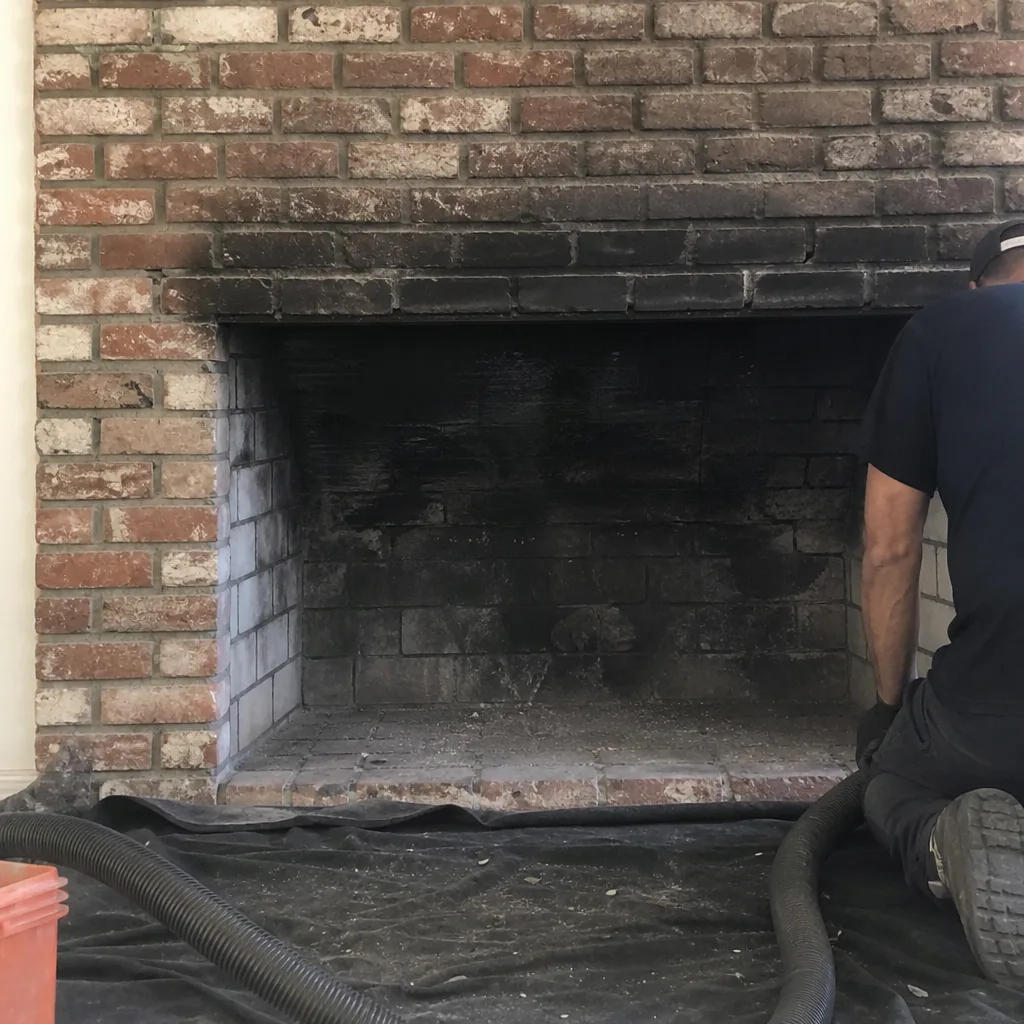 Before
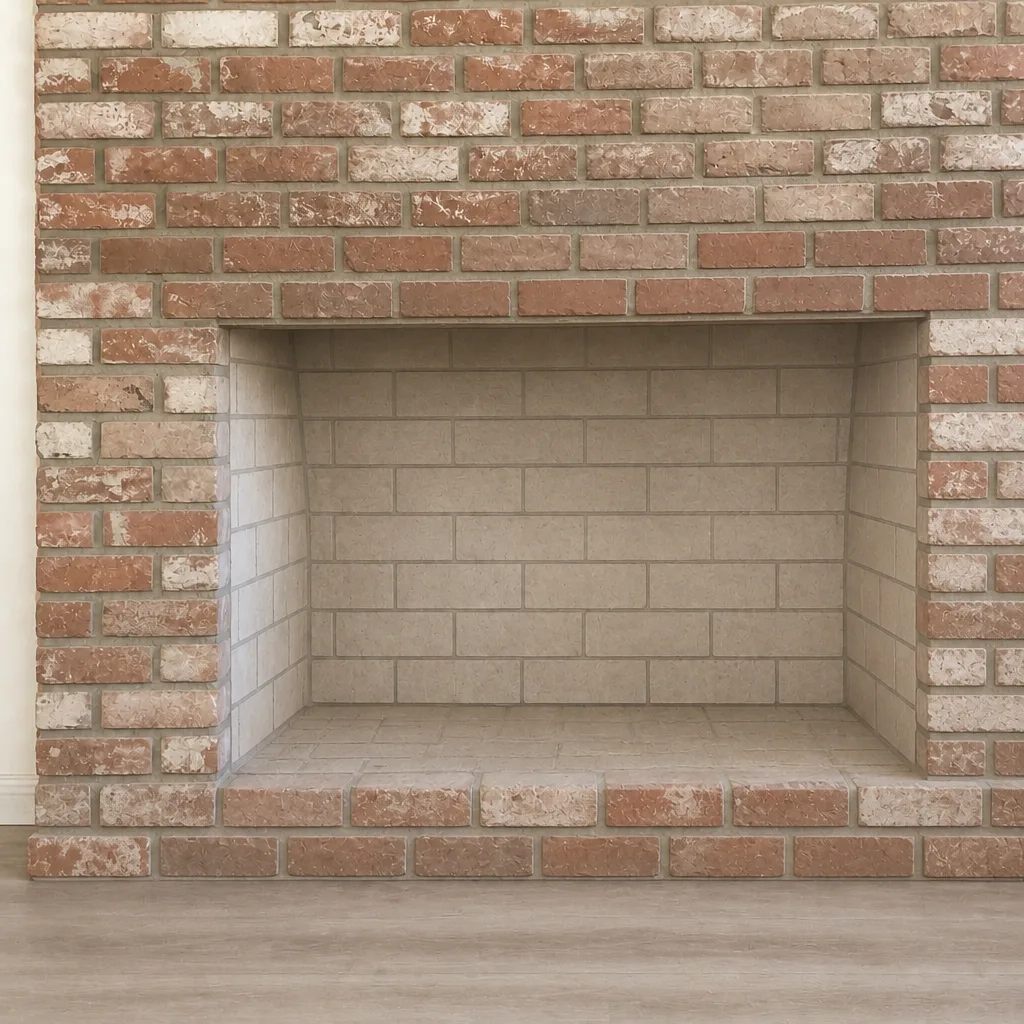 After
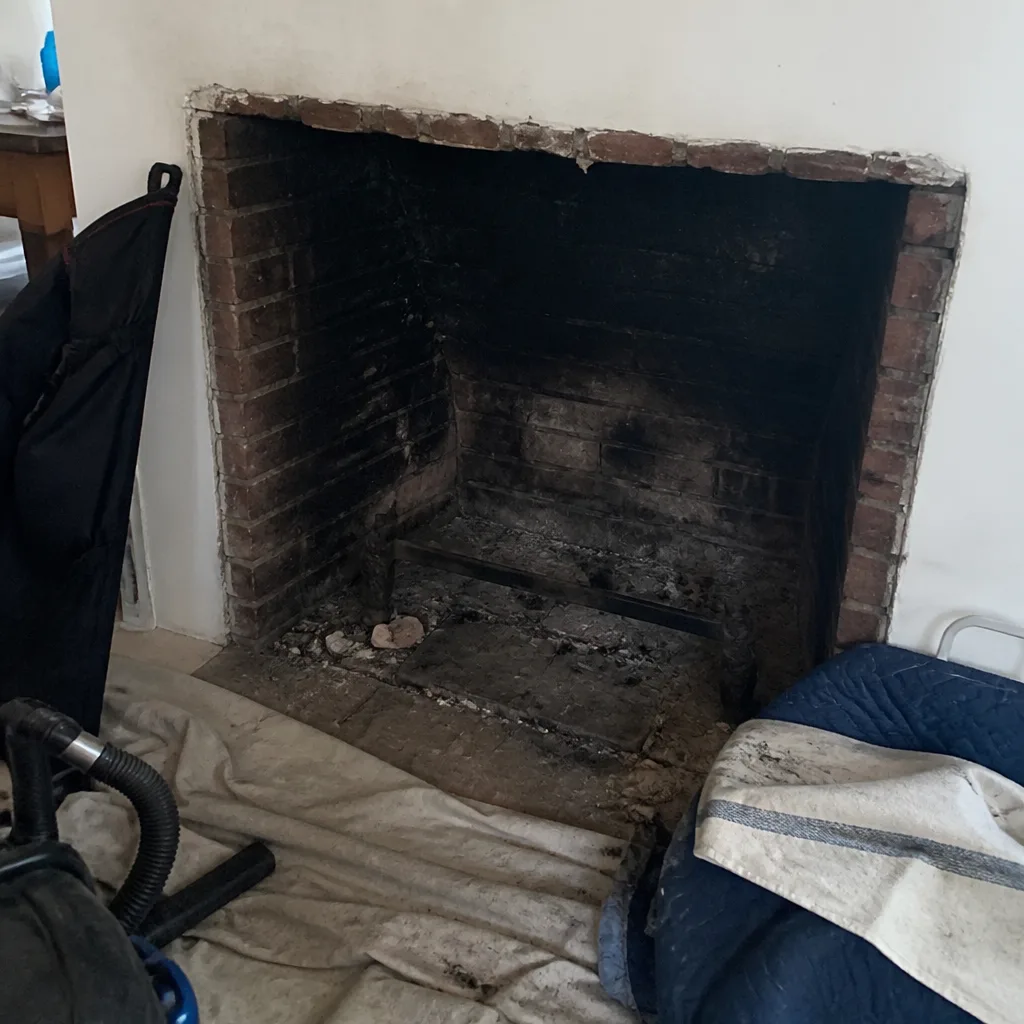 Before
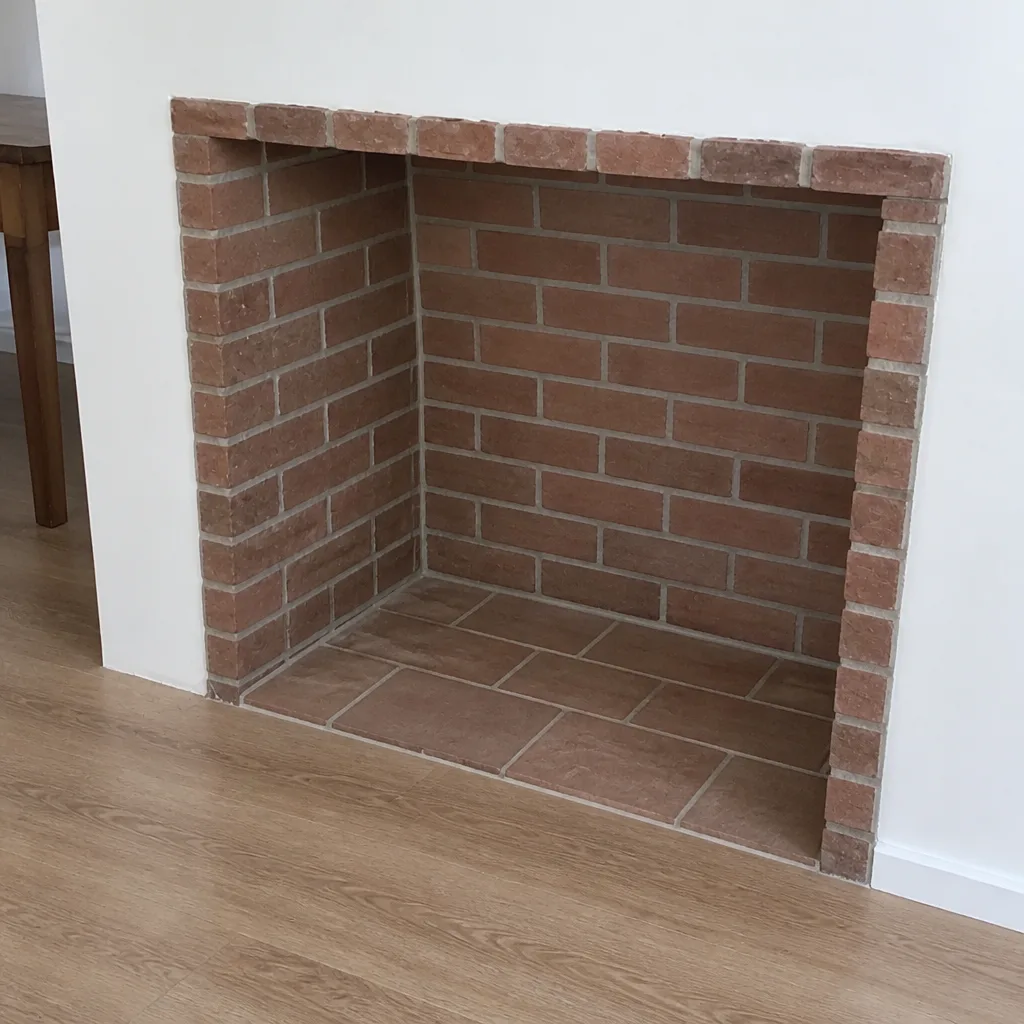 After
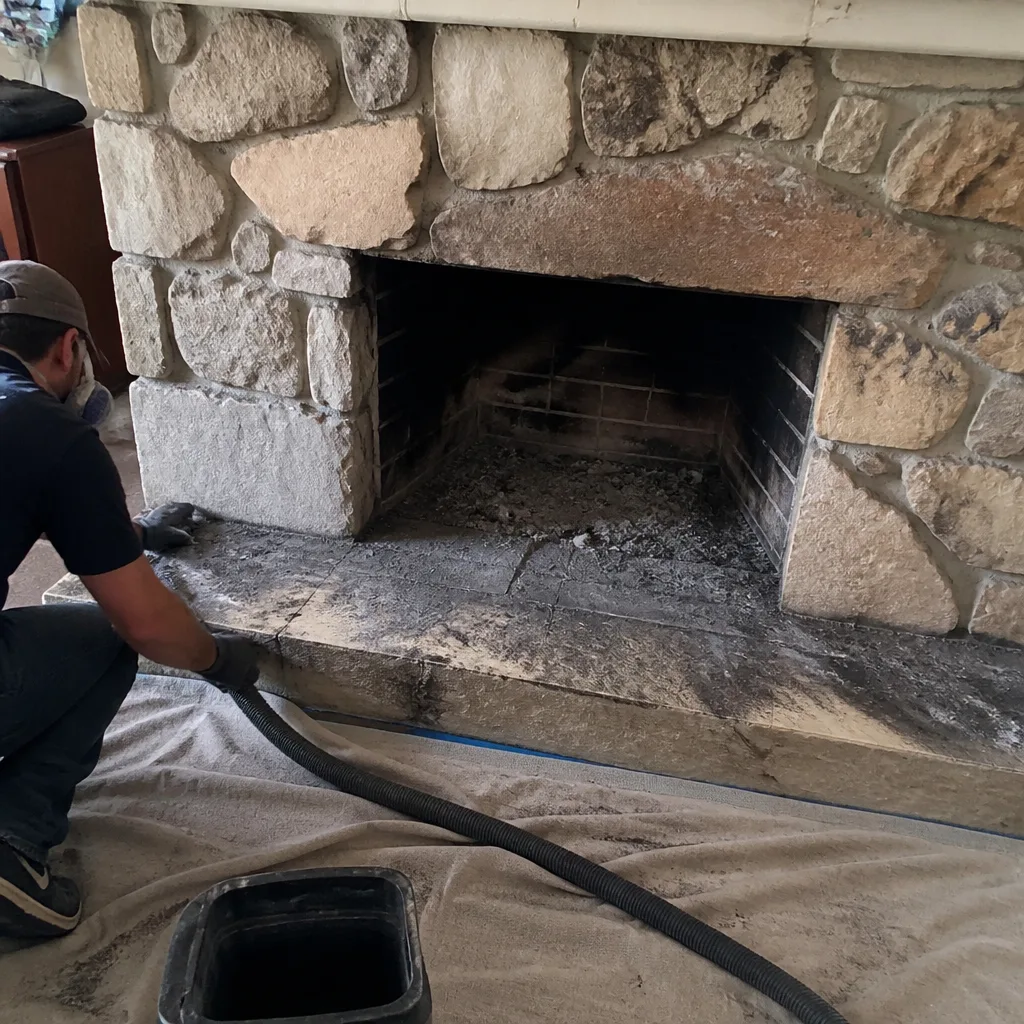 Before
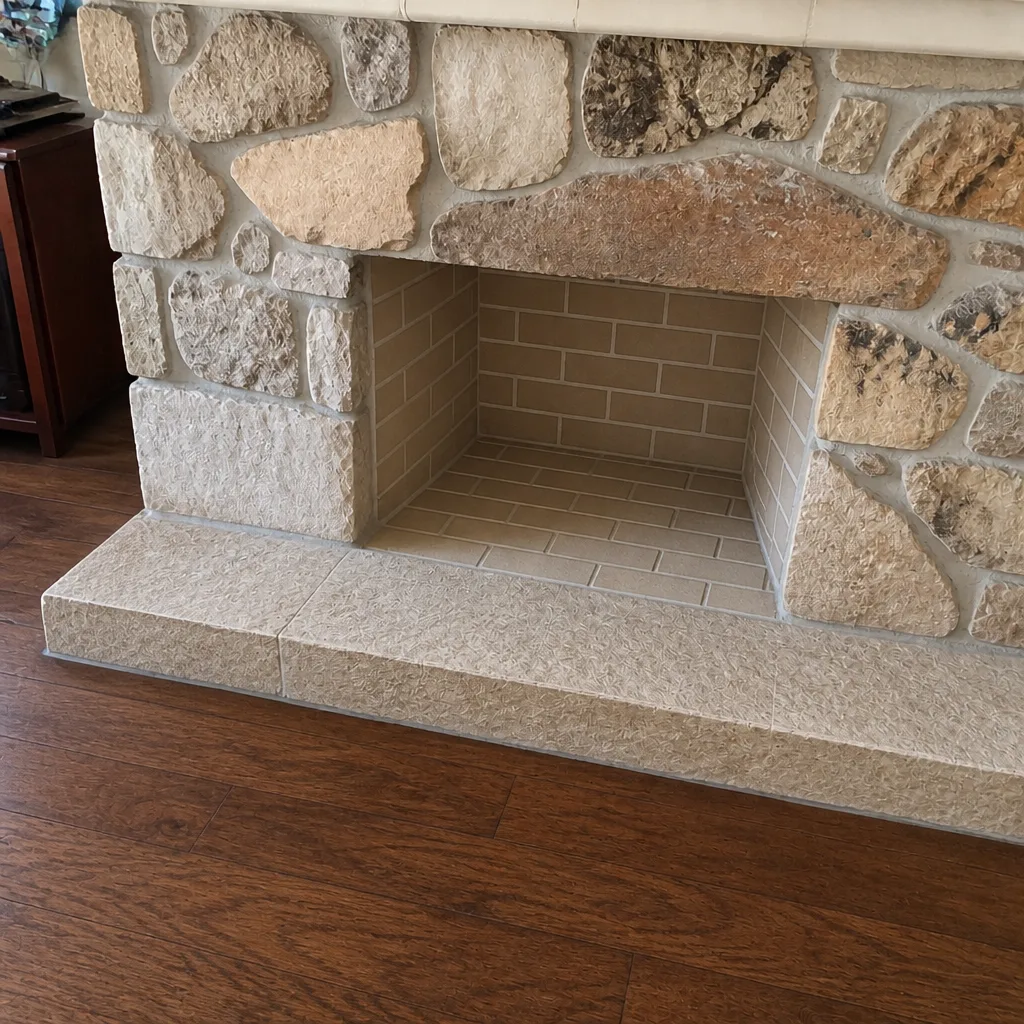 After