
Last updated November 4, 2026
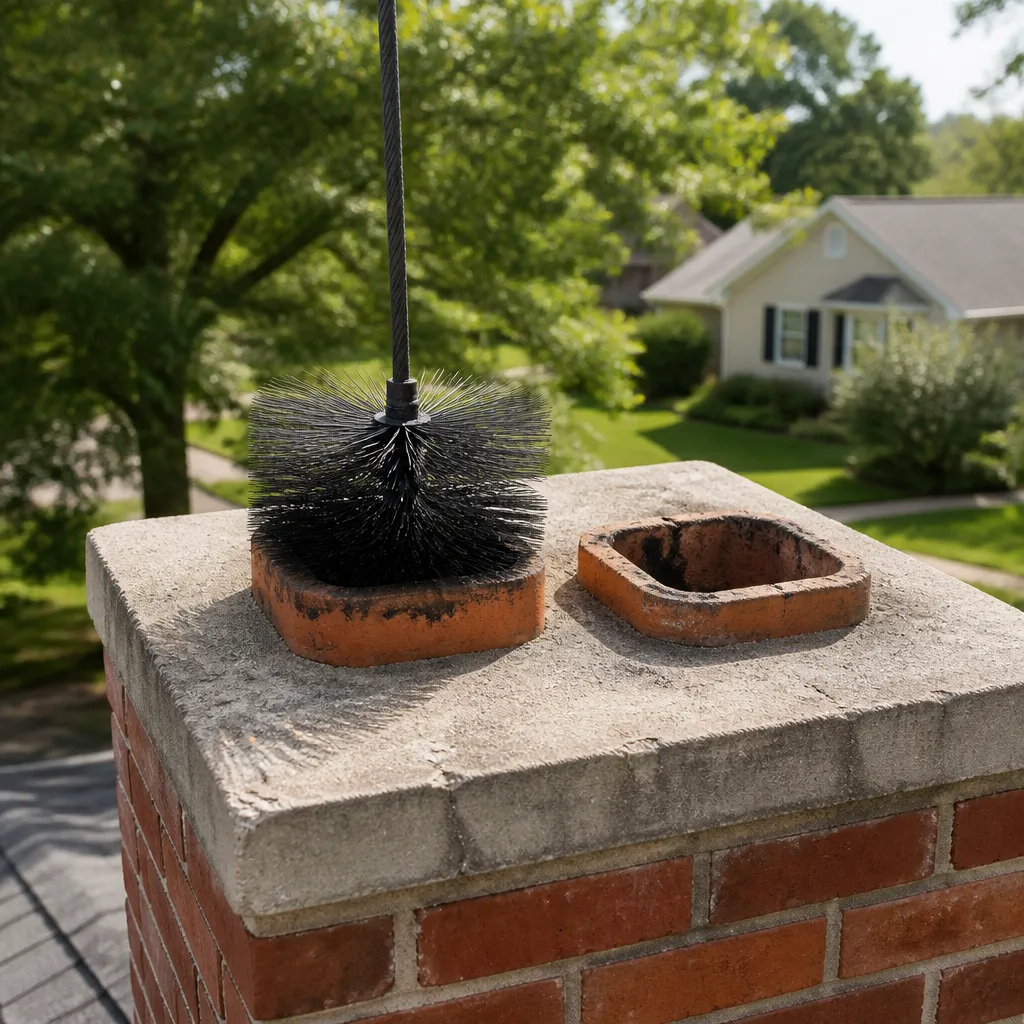 Sweep & inspection
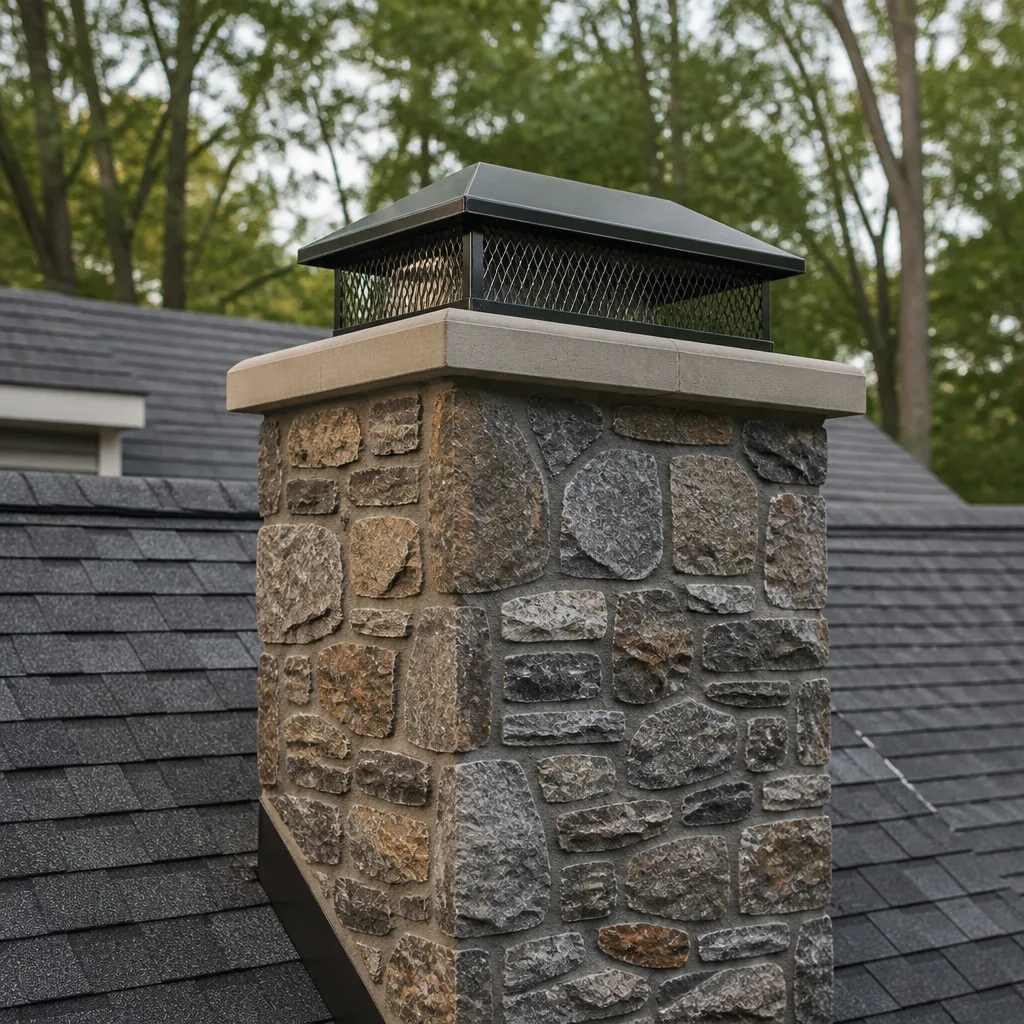 Caps & crowns
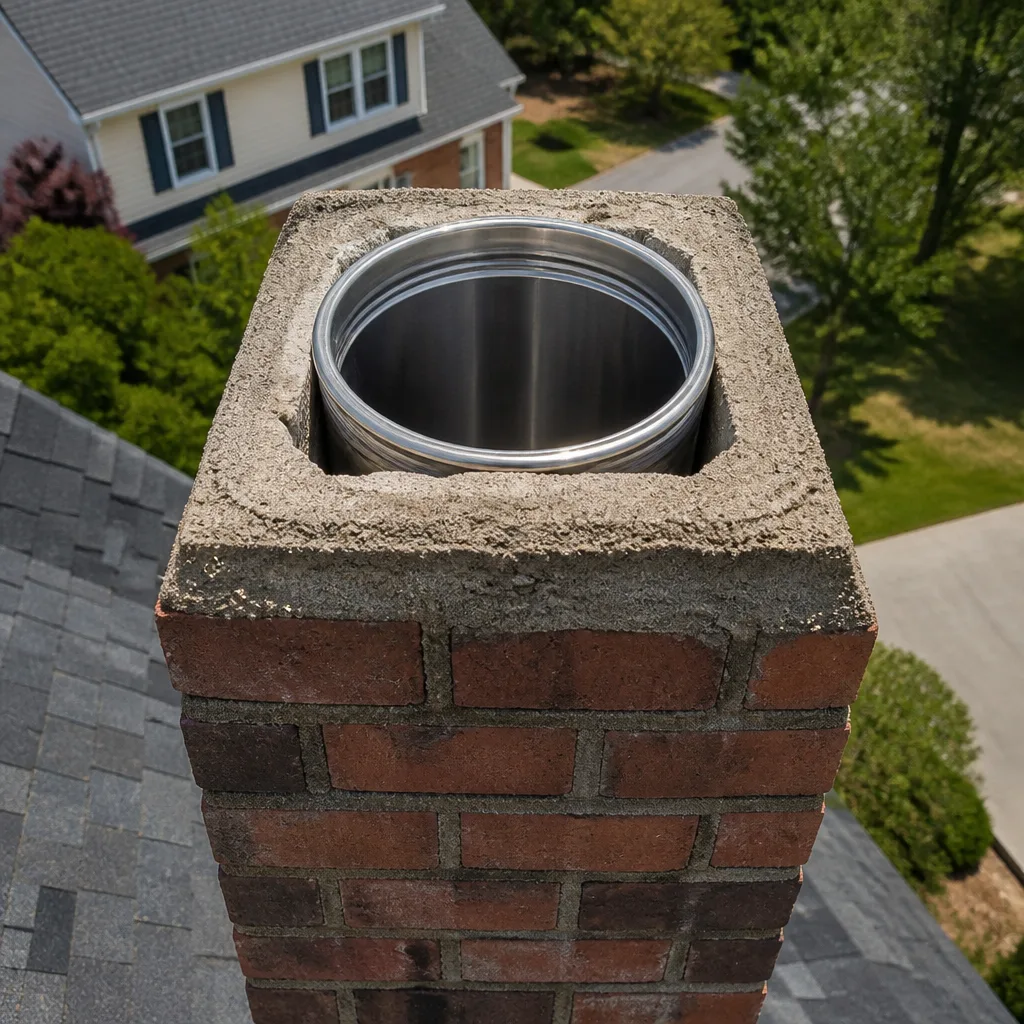 Flue relining
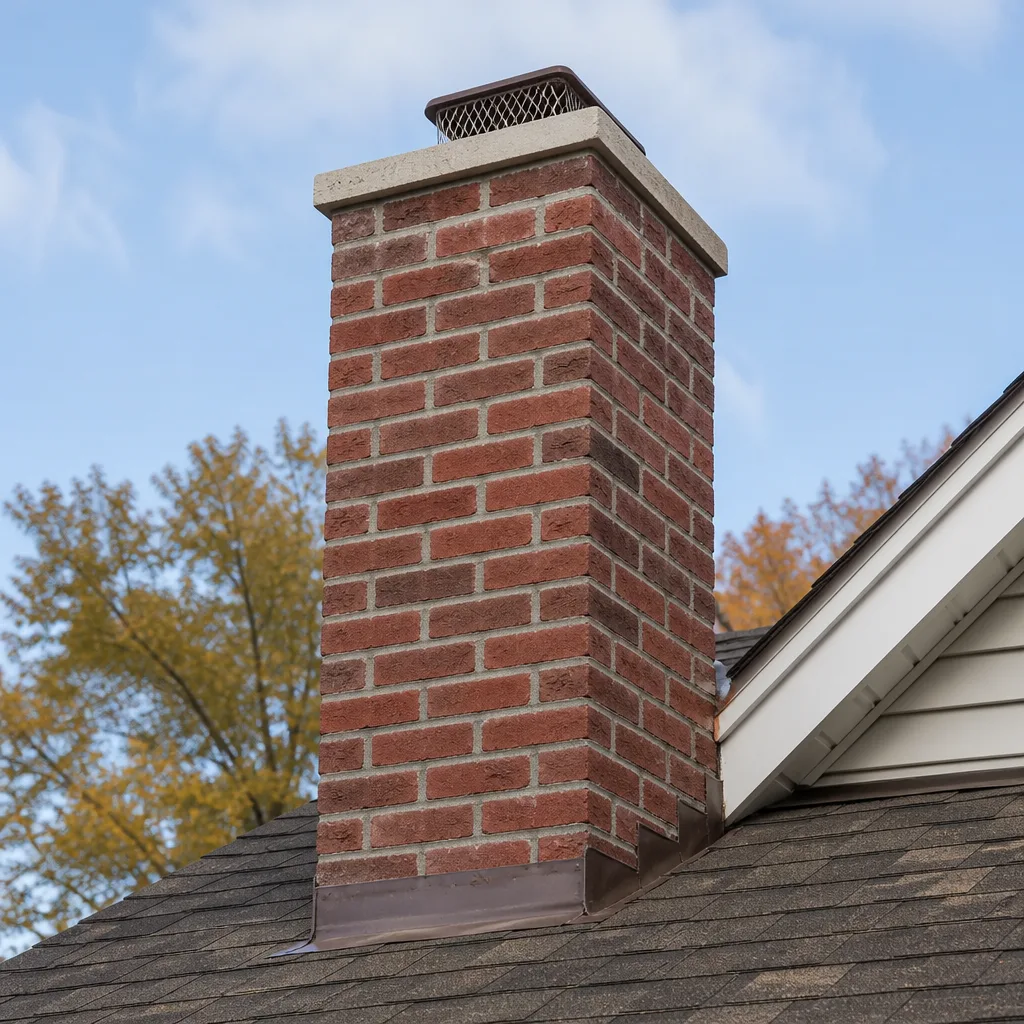 Masonry repair
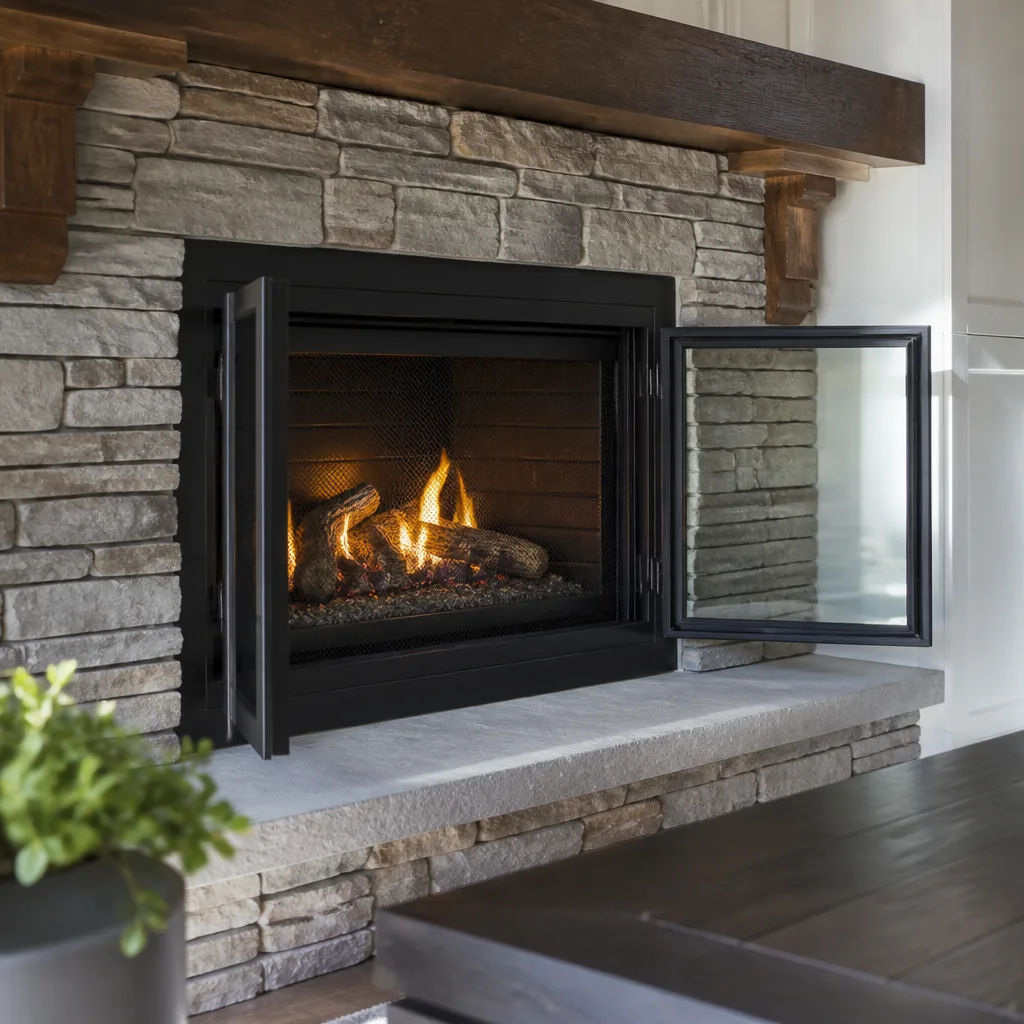 Gas fireplace service
Level 1 sweep and inspection to the NFPA 211 annual standard - flue, crown, cap, and flashing checked and photographed
Chimney sweep logs do not sweep chimneys. They loosen some creosote - which then falls where a brush and vacuum still have to collect it.
Chimney Sweep Maintenance Schedule: What to Do and When
Most Hollywood Hills homeowners treat chimney maintenance like a fall chore, something to handle when the first cool evening arrives and the fireplace suddenly matters again. That calendar-based thinking creates a predictable problem: the chimney sits untouched through Hollywood Hills’ long dry summer, then gets pressed into service without anyone checking what accumulated during those idle months. A maintenance schedule built around seasons works in places with hard winters, but homes here face a different rhythm. You’ll get a schedule that matches how Hollywood Hills chimneys actually age and when each task genuinely matters, not a generic calendar that ignores local fire-season realities.
Styles & brands we work with
- Sweep & inspection
- Caps & crowns
- Flue relining
- Masonry repair
- Gas fireplace service
Quick Answer
A chimney maintenance schedule in Hollywood Hills should be built around three anchors: a visual inspection every 30 days during burn season, a professional sweep after every 50 to 60 fires (tracking creosote by use, not calendar date), and a post-rain structural check on mortar joints, crown, and flashing after any storm dropping more than half an inch. Most homes need one professional sweep annually, but the timing shifts based on how often you burn and what the dry season leaves behind, not because it’s October.
Table of Contents
- Month-by-Month Maintenance Calendar for Hollywood Hills
- Track Creosote by Burn Frequency, Not Calendar Date
- After-Rain Checks: Mortar, Crown, and Flashing
- Owner-Serviceable Tasks vs. What Needs a Technician
- Why Summer Is the Season for Repairs, Not Inspections
- Santa Ana Wind Maintenance for Chimney Caps and Flues
- Common Mistakes to Avoid
- When to Call a Professional
- Frequently Asked Questions
- The Bottom Line
Month-by-Month Maintenance Calendar for Hollywood Hills
Hollywood Hills doesn’t do freezing winters, but it does have a fire season that stretches from late summer through late fall, and that changes when certain tasks actually matter. February through May is the heaviest burn period for most households, as cool canyon evenings make the fireplace genuinely useful. June through September is when dry conditions settle in and the chimney sits idle, often for months at a time. Here’s how that shapes the calendar:
- September (Late): This is the inspection window that matters most. Before fire season peaks in October, have the flue inspected for soot and creosote from the previous winter’s last burns, plus any debris that dry-season wind carried into the cap. This is the period when households that skipped a spring sweep discover the buildup they forgot about.
- October: Book the professional sweep before the fireplace becomes a regular fixture again. Early October is ideal because it gets the flue clean before the season’s heaviest use, and most reputable sweep companies still have open availability before demand spikes.
- November through February: Do a quick visual check every 30 days, even if all you do is shine a flashlight up the flue from the firebox and inspect the smoke chamber. In Hollywood Hills, the burn season is active enough that creosote can accumulate surprisingly fast, especially if you use manufactured logs or burn in a wood stove.
- March: After the heaviest burn months end, schedule a spring sweep if you’re toward the higher end of usage, or if you notice visible creosote more than 1/8 inch thick. This clears the flue before the long dry idle period ahead, reducing the chance of caked-on buildup hardening over summer.
- April through August: This is the repair window, not the inspection window. Book lining work, crown sealing, mortar repairs, cap replacement, or HeatShield liner restoration during these months when there’s no pressure from the burn season and crews aren’t rushing to complete jobs before temperatures drop.
- After any significant rain: Do the rain-event check described below. It takes ten minutes and is the single most effective way to catch structural damage before it becomes a several-thousand-dollar repair.
One nuance specific to Hollywood Hills: the long dry season is not actually kind to chimneys. When mortar sits in extended dry heat, small voids and hairline cracks can develop without the visual clues that rain would normally expose. That’s why the late-September inspection window matters as much as the fall sweep itself. By then, any summer damage has had time to form and any debris carried by canyon wind has had months to settle into the cap or flue. For a deeper look at what the fall inspection should cover, our guide on chimney sweep work walks through the full process.
Track Creosote by Burn Frequency, Not Calendar Date
The most common question we hear is “how often should I have my chimney swept?” and the honest answer is that it depends entirely on how much wood you actually burn, not on what the calendar says. A household that burns three or four fires a week from November through March is using the chimney maybe 70 to 80 times a season. A household that fires up the fireplace twice a month in Hollywood Hills is using it maybe 10 to 15 times. The professional sweep recommendation differs significantly between those two homes.
Here’s a practical tracking method that works better than a fixed calendar date:
- Under 30 fires per year: One sweep per year is generally sufficient, and the timing is flexible. Late summer or early fall works well, before the burning season starts.
- 30 to 60 fires per year: Plan on two sweeps, or one thorough sweep plus a mid-season inspection. The mid-season check catches creosote before it gets thick enough to be a real fire risk.
- Over 60 fires per year: Two sweeps per year is the minimum, and if you use the fireplace daily, you may find a sweep every 8 to 10 weeks during peak season is necessary. The heavier the use, the faster the creosote accumulates.
If you want to track creosote between professional visits, here’s what to look for:
- Shine a light up the flue from the firebox. Look at the walls. A light dusting of gray or brown soot is normal. A shiny, tar-like black coating is creosote and it needs attention.
- Scrape the surface with a screwdriver from the firebox side, not from the top of the flue. If you can see a groove where the screwdriver ran, that’s buildup thicker than 1/8 inch and it’s time for a sweep.
- Check the damper area, which is often the coolest point in the flue system and where creosote forms first. If the damper looks caked or sticky, don’t wait for the next calendar date.
The reason we emphasize burn frequency over calendar date is that Hollywood Hills weather doesn’t create the same forced rhythm as colder climates. Homes here go months without using the fireplace, then use it heavily for a stretch. That irregular pattern means the calendar is a poor proxy for actual wear. Tracking usage gives you a trigger that reflects reality.
After-Rain Checks: Mortar, Crown, and Flashing
In Hollywood Hills, rain is when chimney problems reveal themselves. The dry season hides moisture damage until the first meaningful rain event, and then the evidence shows up quickly: a stain on the ceiling near the flue, a musty smell from the firebox, or damp masonry that stays dark long after the rain stops. What some homeowners don’t realize is that the inspection window after a rain event is when the most expensive structural problems can be caught early, before water works its way deeper into the masonry.
Here’s the specific four-point check after any storm that drops more than half an inch of rain:
- Mortar joints: Run your hand along the exterior chimney brickwork where you can reach it safely from the ground or a ladder. Rainwater that penetrates hairline cracks in mortar will leave a darker stain once the surface dries. If you see stains that didn’t exist before the storm, the mortar needs re-pointing sooner rather than later.
- Crown sealing: The crown is the concrete slab at the top of the chimney, and it’s the first place water runs off during rain. Look for ponding, visible cracks, or a white, chalky residue called efflorescence, which is a sign water is moving through the masonry.
- Flashing: Flashing is the metal seal where the chimney meets the roof. After rain, check for water staining on the interior ceiling near the chimney, and inspect the flashing from the roof side for any lifted or corroded sections. Flashing failures in Hollywood Hills often happen gradually, and the first sign is usually a ceiling stain rather than a visible gap.
- Firebox dampness: Open the damper and feel the firebox walls. If the firebox is damp after rain, water is getting past the cap or the crown, and that moisture is working its way into the flue liner whether you see it or not.
We recommend doing this check every single time, no exceptions. The worst water damage in chimneys is almost always the result of a small leak that went unnoticed for one or two seasons. Early detection means the difference between re-sealing a crown for a few hundred dollars and rebuilding a masonry section that water has quietly compromised over years.
Owner-Serviceable Tasks vs. What Needs a Technician
There are a handful of things a diligent homeowner can and should do between professional visits, and there are several things that genuinely require a credentialed technician with the right equipment. The dividing line is not about being handy, it’s about access, safety, and knowing what you’re looking at.
Owner-serviceable tasks:
- Debris clearing from the cap: If you can safely access the roof and are comfortable doing so, clearing leaves, twigs, or bird nesting material from an accessible cap is straightforward. In Hollywood Hills, canyon wind carries debris onto roofs regularly, and a cap packed with dry leaves is both an airflow problem and a potential spark hazard.
- Damper function check: Open and close the damper fully to confirm it moves freely and seals reasonably well. A stuck or stiff damper often goes unnoticed until the first fire of the season, when it’s already an emergency.
- Visual inspection from the firebox: Look up the flue with a strong flashlight. You’re looking for obvious debris, visible creosote, and any gaps in the flue liner. You don’t need to be a professional to recognize the difference between clean flue walls and a dark, shiny buildup.
- Firebox inspection: Check the firebrick walls of the firebox for cracked or crumbling brick, and inspect the grate and ash dump for obvious warping or rust.
Requires a technician:
- Flue cleaning and creosote removal: This requires specialized brushes, rods, and access from the roof or through the firebox that most homeowners aren’t equipped for. A professional sweep also captures the soot and debris that would otherwise end up in your living room or on the roof.
- Liner inspection: A proper liner inspection typically involves a camera, and the reason matters. Most liners don’t fail visibly from the firebox side. By the time you can see damage, the flue has been compromised for longer than you think. A professional inspection can catch liner cracks, spalling, or holes that would otherwise go unnoticed for years.
- HeatShield liner restoration: If the liner is damaged but not collapsed, a HeatShield resurfacing can restore it without a full reliner. This is a specialized system that requires certification and the right equipment, not a homeowner project.
- Crown repair or replacement: Working on the crown means standing on the roof and handling masonry materials, which is a fall hazard. It’s also a precision job, because a crown that doesn’t seal properly will continue to leak water into the chimney structure.
- Structural chimney repair: Any cracking in the masonry shell, leaning, or visible spalling is a structural issue. It requires an experienced eye to determine whether it’s cosmetic or a sign of deeper failure, and repairs usually involve specialized materials like Gelco or Olympia Chimney products applied by someone who understands chimney construction.
The brush-and-rod sweep is not a solo project, and the structural assessment genuinely requires someone who has seen enough chimney failures to know what they’re looking at. Carlton Chimney Sweep handles the full service arc, from cleaning to diagnosis to structural repair, which means you’re not trying to coordinate two separate contractors when one problem turns out to have a second problem behind it.
Why Summer Is the Season for Repairs, Not Inspections
Most homeowners in Hollywood Hills wait until fall to think about their chimney, which is exactly why summer is the best time to book repair work. The irony is that the off-season is when repair crews are available, prices are stable, and there’s no pressure to finish before the first cold night. That’s the opposite of what most people do.
Some additional context on why the calendar matters for repair work specifically:
- Availability: Chimney repair companies in Southern California book heavily from September through January, when every homeowner suddenly remembers their fireplace. If you need a liner, crown repair, cap replacement, or HeatShield work, a June or July booking gets you on the schedule quickly and without the rush.
- Drying time: Masonry sealants, crown compounds, and liner materials cure best when there’s no moisture in the air. Hollywood Hills’ dry summer air is ideal for these products to set properly, whereas a repair done in late fall may be applying materials into cooler, damper conditions that slow curing.
- Material sourcing: If your chimney needs a Gelco cap, an Olympia Chimney flashing component, or any professional-grade part, the supply chain is less stressed in summer. During peak fall demand, even reputable suppliers occasionally run into backorders on specific parts.
- Cost stability: Summer is simply less competitive. When every chimney company in the region is booked solid, prices naturally firm up. Booking in the off-season means you’re paying for work, not urgency.
The other practical advantage is that summer repairs can be scheduled around vacations and travel, because there’s no fireplace heat creating a daily reminder that the chimney is offline. You can have the chimney repaired in July and forget about it until October, when it’s already in working condition.
Santa Ana Wind Maintenance for Chimney Caps and Flues
Hollywood Hills sits in one of the windiest corridors in the Los Angeles basin when the Santa Ana season kicks in, usually from September through December. These winds are strong enough to strip unsecured caps, carry branches and debris into open flues, and in some cases lift flashing that wasn’t nailed or sealed properly. Homes in the higher-elevation canyon areas, especially those with direct exposure to the prevailing wind direction, see the worst of it.
What Santa Ana conditions mean for chimney maintenance:
- Cap security: After any significant Santa Ana event, check the cap from ground level or with binoculars. A shifted or tilted cap is a sign the clamp or fastening system has loosened, and a missing cap is an open invitation for debris, birds, and rain. We use Famco and Gelco cap components because they’re engineered for weather durability and precise fit, which matters more than homeowners realize when high winds hit.
- Debris in the flue: Wind-driven debris can pack a flue quickly, especially if the cap is missing or has a wide mesh screen. A flue packed with dry leaves becomes both a draft problem and a fire risk, because the first fire of the season can ignite the entire packed column.
- Flashing lift: Sustained high wind can work on flashing over time, particularly on older roofs where the fasteners have lost grip. If you hear flapping or rattling from the chimney area during a Santa Ana event, that’s often flashing that’s coming loose.
- Fire-season sensitivity: Santa Ana wind is the worst possible time for a chimney problem to surface, because it’s when structure fires spread fastest and fire agencies are already on high alert. A chimney that throws sparks onto a dry shake roof in October is a completely different risk profile than the same spark in February after rain has dampened everything.
A useful habit is to do a quick cap check after any Santa Ana wind event that’s strong enough to rattle windows. You don’t need to climb onto the roof, just walk around the house and look for anything shifted, missing, or obviously out of place. If the cap is damaged, book a replacement before the next wind event rather than waiting for the next burn season.
Common Mistakes to Avoid
- Sweeping on a fixed calendar date regardless of burn frequency: This is the most common error we see. A household that burns twice a month and a household that burns five times a week don’t need the same schedule, and treating them as if they do either wastes money on unnecessary sweeps or leaves dangerous creosote in the flue for months longer than it should be there.
- Skipping the post-rain inspection because “the chimney seemed fine”: Moisture problems in masonry develop silently. By the time you see a stain on the ceiling or notice spalling brick, the water has been working on the chimney for a season or more. The ten-minute after-rain check exists to catch that before it becomes expensive.
- Assuming summer means the chimney can be ignored entirely: The dry season is exactly when hairline mortar cracks can form, caps can get baked by sun and wind, and debris can accumulate. The chimney isn’t on vacation just because you’re not using the fireplace.
- Using hardware-store caps or patch materials: The cap you find at a big-box store is not built for the wind and weather conditions of Hollywood Hills’ canyon areas, and masonry patch compounds sold at retail are not the same products that certified chimney professionals use. We install Famco and Gelco components because they’re professional-grade materials, not hardware-store substitutes, and they hold up under conditions that cheap caps simply don’t.
- Ignoring the dryer vent in the same house: A chimney company that only cleans fireplaces is missing a sibling fire hazard in the same home. The dryer vent in a Hollywood Hills home accumulates lint the same way a flue accumulates creosote, and dryer vent cleaning is part of a complete approach to home ventilation safety.
- Book the inspection and the repair at the same time in fall: If you wait until October to learn that your chimney needs a new liner, you’re now competing with every other homeowner in the Los Angeles basin for repair availability during peak season. The inspection should happen in late September, and any needed repairs should go on the books for a later slot rather than being squeezed into the fall rush.
- Assuming a wood-burning fireplace and a wood stove need the same schedule: They don’t. Wood stoves burn hotter and more efficiently, but they also tend to produce a fine, flaky creosote that accumulates differently than the tar-like buildup in a fireplace flue. Track the stove separately if you have both in the same house.
When to Call a Professional
There are signs that mean the chimney needs professional attention now, not at the next convenient moment. If you see porous or flaking brick on the exterior chimney, especially after rain, that’s water damage working through the masonry. If you smell smoke in the house after the fire is out, that’s a draft or liner problem. If you can see shiny black creosote in the flue from the firebox, the chimney is past due for a sweep. If the damper won’t open or close fully, or if you find water in the firebox after rain, those are immediate priorities. In any of those situations, the recommended next step is a professional inspection with a camera, because the visible symptom is rarely the whole story. Carlton Chimney Sweep offers free estimates in Hollywood Hills. Call (855) 731-2852. We answer 24/7. Fast dispatch from 7am to 7pm, Sunday through Friday.
Frequently Asked Questions
A professional chimney sweep in Hollywood Hills typically runs between $150 and $350, depending on the height of the flue, accessibility from the roof, and whether the chimney has a standard masonry configuration or something more complex like a steep canyon slope approach. The written estimate sets the final price, and the estimate is free. Call (855) 731-2852 for an exact quote.
Most homes in Hollywood Hills need a chimney sweep after every 50 to 60 fires, which for the average household works out to once a year. If you burn more frequently, or if you use manufactured logs, softwoods, or haven’t had the flue cleaned in several seasons, you may need a sweep every six months. Track your usage and inspect the flue monthly during burn season rather than relying on a fixed calendar date.
Creosote builds up inside the flue, and once it gets thicker than 1/8 inch, it becomes a genuine fire risk because creosote is highly combustible at chimney temperatures. A creosote fire can damage the liner and the masonry shell, and in the worst cases, it spreads to the roof or the walls. In Hollywood Hills’ dry conditions, a chimney fire during Santa Ana wind season is a scenario every homeowner should avoid.
The answer depends on the condition of the existing liner. If it’s cracked but not collapsed, a HeatShield resurfacing can often restore it to full function without the cost or disruption of a full reliner. If the liner has already collapsed or has significant holes, replacement is the only sound option. A camera inspection is the only way to know which situation you’re in. Call (855) 731-2852 for an exact quote, estimates are free.
Technically yes, but practically no, and the reason isn’t just the mess. A proper sweep requires roof access, specialized brushes, and the knowledge to recognize when what you’re seeing in the flue is harmless soot versus a structural problem. A professional also brings the right equipment to capture the debris and a camera to document liner condition, which is something most homeowner sweeps skip entirely. The professional sweep is a cleaning and an inspection, not just a brushing.
Yes, and this is the one many Hollywood Hills homeowners miss. The dryer vent accumulates lint the same way a chimney accumulates creosote, and lint is extremely combustible. If the dryer vent hasn’t been cleaned in more than a year, it’s due. The same home that has a clean chimney and a clogged dryer vent is still holding a real fire hazard.
A chimney maintenance schedule in Hollywood Hills has to respect the local conditions: year-round fire season, Santa Ana wind, dry summer months, and irregular use patterns. The calendar is a useful framework, but the real triggers are burn frequency, rain events, and wind-driven damage. Track creosote by how often you fire up the fireplace instead of by the month. Check the mortar, crown, flashing, and cap after any meaningful rain or wind event. Book repairs in summer when availability and conditions are best. And have the chimney professionally swept and inspected once a year at minimum, more if you burn heavily. A clean flue is a safe home, and the maintenance schedule that works is the one that matches how these homes actually age.
Written by the team at Carlton Chimney Sweep, serving Hollywood Hills since 2015.
See the difference
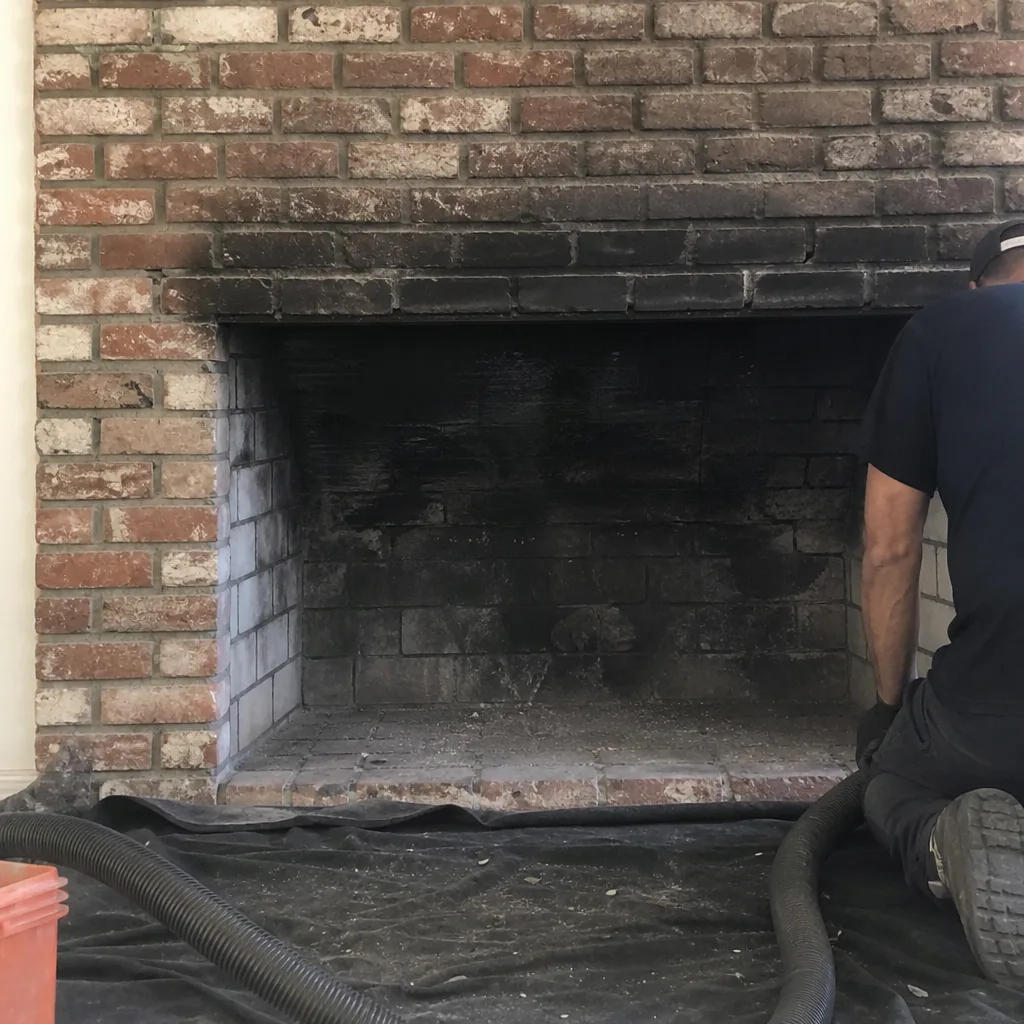 Before
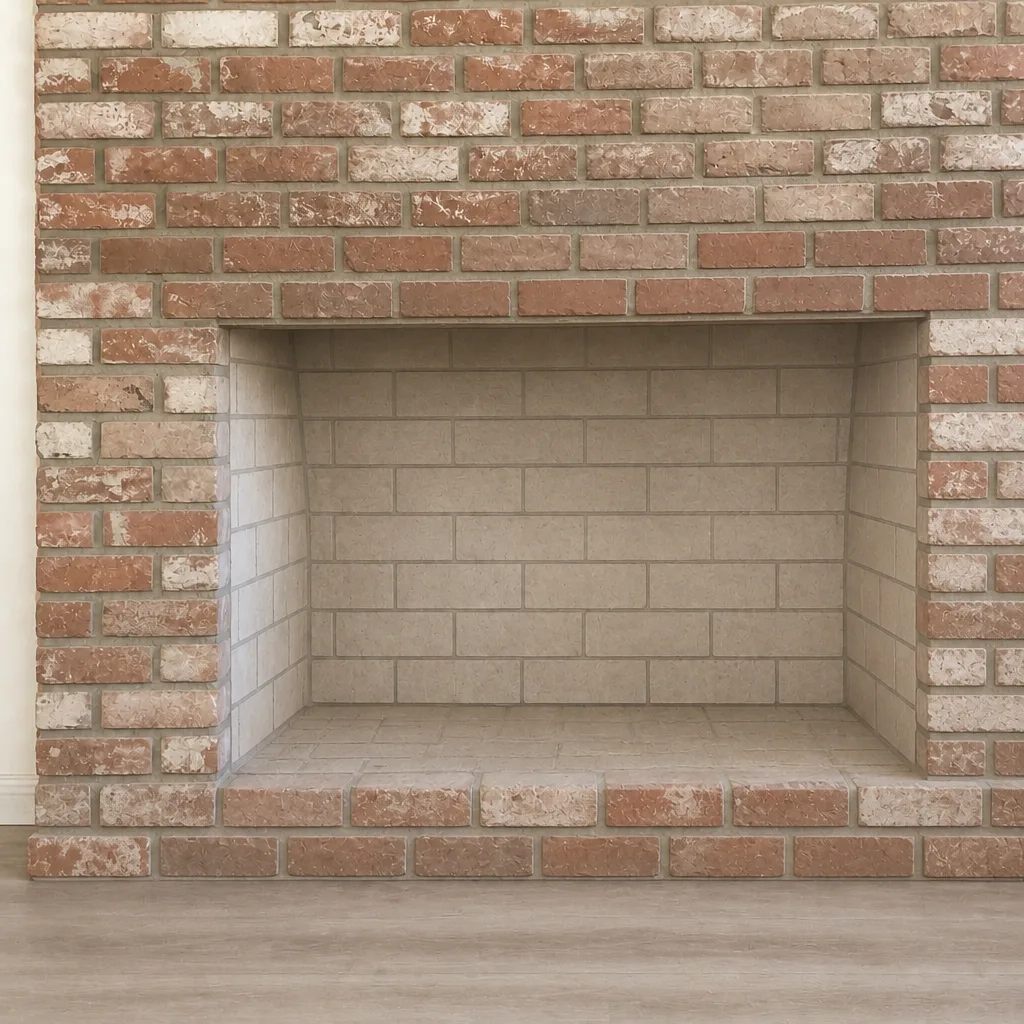 After
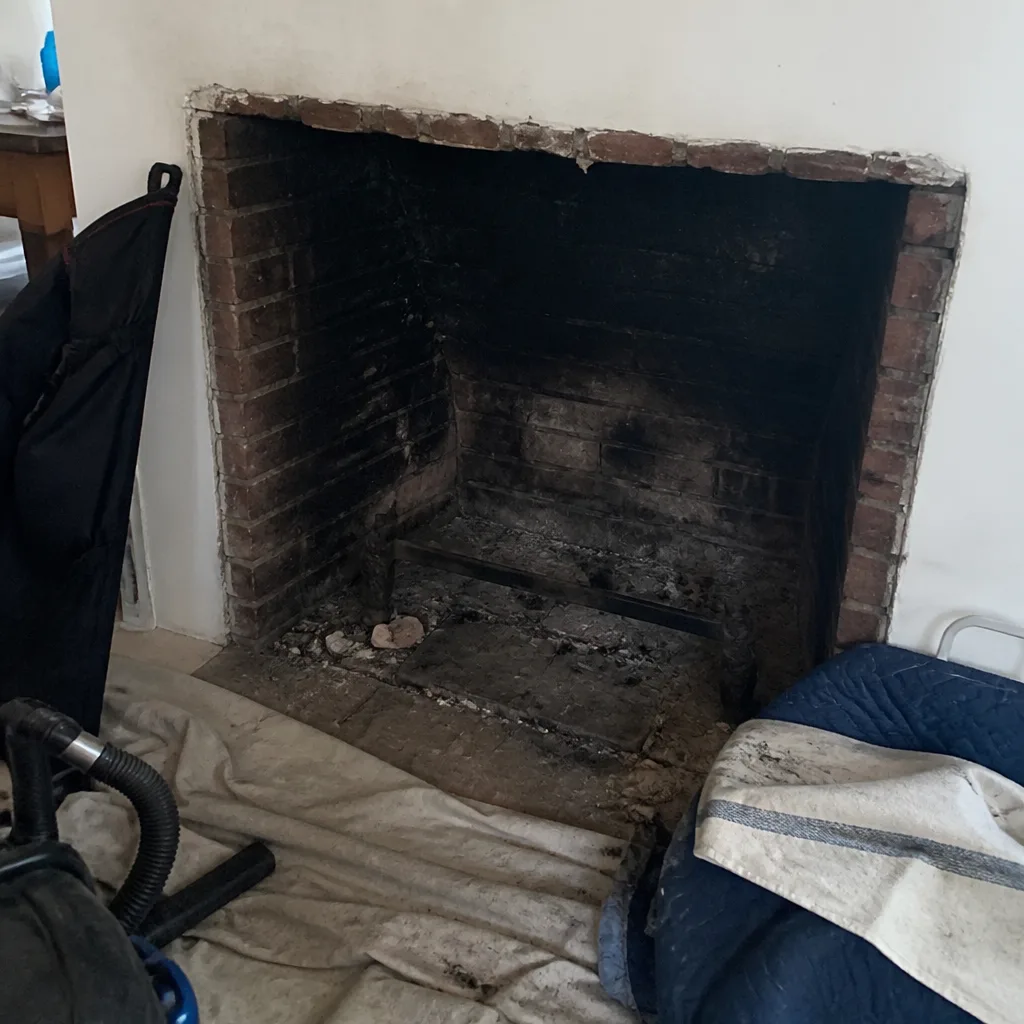 Before
 After
 Before
 After