Last updated November 4, 2026
 Sweep & inspection
 Caps & crowns
 Flue relining
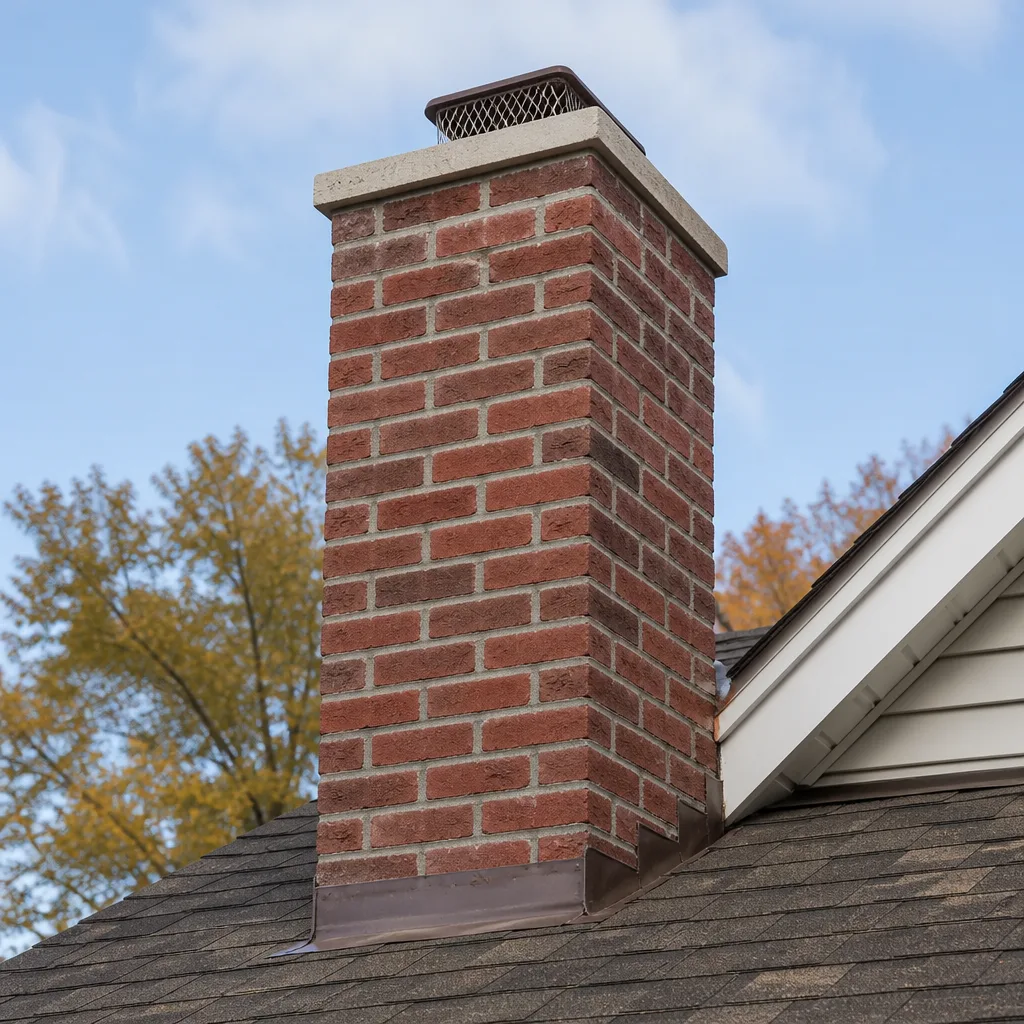 Masonry repair
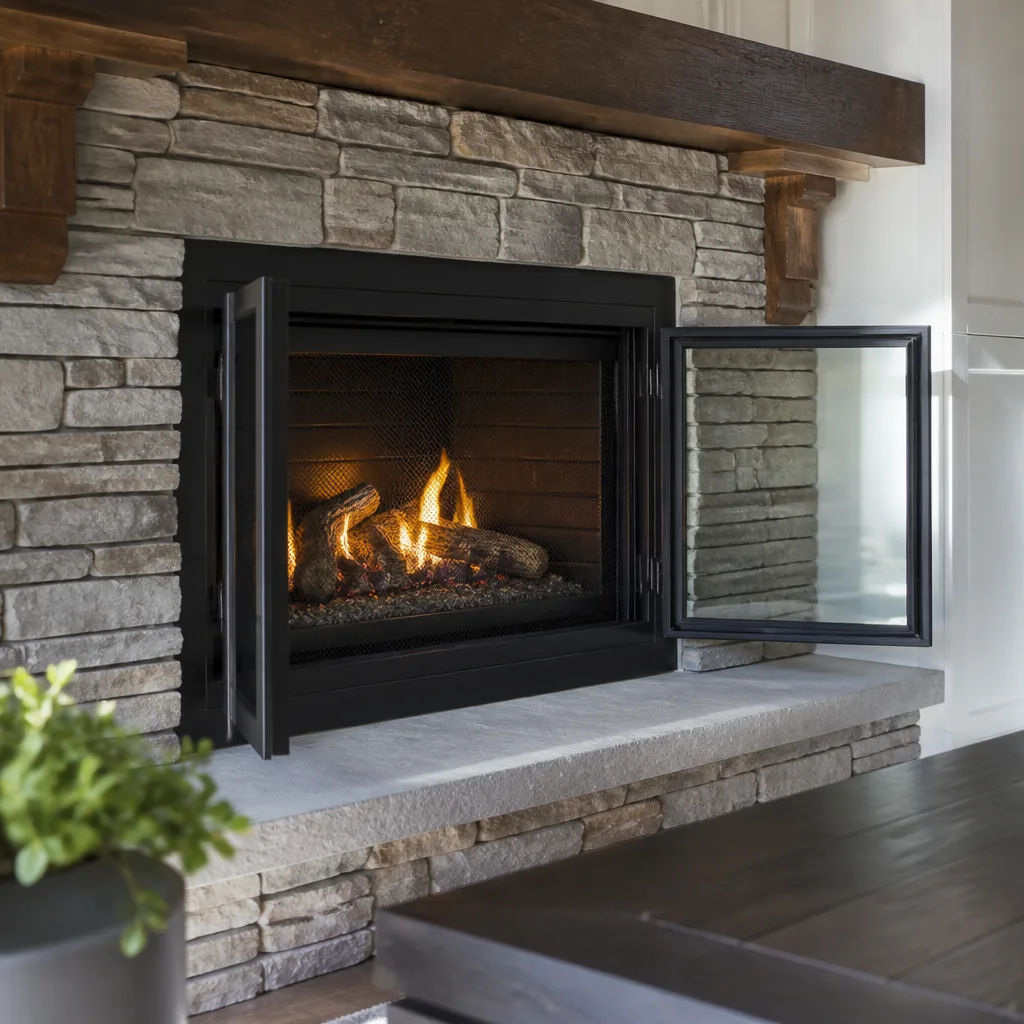 Gas fireplace service
Level 1 sweep and inspection to the NFPA 211 annual standard - flue, crown, cap, and flashing checked and photographed
Chimney sweep logs do not sweep chimneys. They loosen some creosote - which then falls where a brush and vacuum still have to collect it.
Choosing the Right Chimney Cleaning Brand: A Buyer’s Guide for Hollywood Hills
There’s no chimney cleaning brand that solves a liner problem or a draft issue. Walk the aisles of any hardware store and you’ll see powders, sprays, and logs that promise a cleaner flue, but none of them address what actually keeps a Hollywood Hills chimney safe. The brand that matters is the material specification your technician selects when something needs repair, and most homeowners have no idea how to ask about that. This guide explains what to look for in professional-grade chimney materials, what to ask a contractor, and how to separate real solutions from retail packaging.
Quick Answer
The right “brand” for chimney cleaning in Hollywood Hills isn’t a consumer product you buy off a shelf. It’s the professional-grade material system your chimney sweep uses, such as 316L stainless steel liners, high-temperature refractory mortar, and properly sized spark-arrestor caps. Ask your contractor which materials they stock and why, and you’ll learn more than any retail brand comparison will ever tell you.
Styles & brands we work with
- Sweep & inspection
- Caps & crowns
- Flue relining
- Masonry repair
- Gas fireplace service
Table of Contents
- Why Retail Cleaning Brands Miss the Point
- Understanding Liner Alloys: 316L vs 304 Stainless
- Cap Specifications for Hollywood Hills Fire Zones
- High-Temperature Mortar and Sealant Classifications
- Professional vs Consumer Creosote Removers
- Questions to Ask a Chimney Contractor
- What a Full-Service Chimney Company Stocks
- Common Mistakes to Avoid
- When to Call a Professional
- Frequently Asked Questions
Why Retail Cleaning Brands Miss the Point
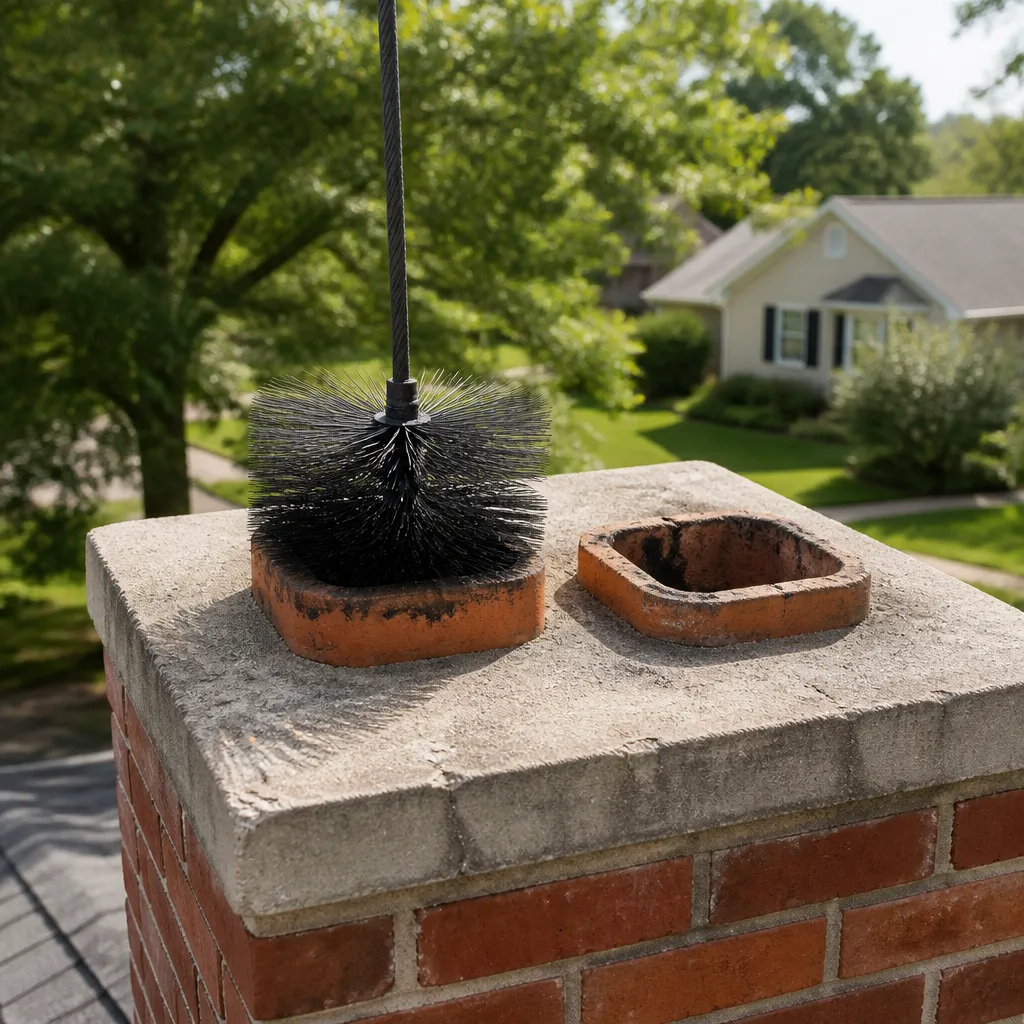
Most homeowners searching for “chimney cleaning products brands” in Hollywood Hills are really asking a different question: how do I know my chimney is actually clean and safe? The creosote-removal powders and sweeping logs sold at big-box stores target surface deposits in the firebox, not the full flue. Creosote accumulates as a glazed, tar-like residue along the entire interior wall of the chimney, where a retail product applied to the fire can’t reliably reach. A professional chimney sweep uses rotary brushes, rod systems, and inspection cameras that physically remove this buildup and verify the result.
The more consequential brand decision happens when cleaning reveals a problem. A cracked flue tile, a deteriorated crown, a missing rain cap, or a rusted chase cover each requires a repair material with specific performance characteristics. That’s where professional-grade product lines like Copperfield and Olympia Chimney come in, because these manufacturers supply the chimney trade directly, not the consumer shelf. In our experience working across Hollywood Hills, the homes that hold up best are the ones where the owner asked what material was going in, not which retail product to buy.
Here’s what actually determines whether a chimney cleaning and repair job lasts:
- Mechanical removal of creosote, not chemical conversion that leaves residue behind
- Liner material and gauge chosen for your specific appliance and flue configuration
- Cap mesh size and mounting hardware rated for spark arrestor compliance
- Mortar and sealant classifications designed for high-temperature cycling
- Ventilation components sized for proper draft, not just whatever fits
Hollywood Hills homes range from mid-century ranches with original masonry chimneys to newer builds with factory-built systems, and each has different material requirements. A one-size approach rarely works here, which is why the specification conversation matters more than brand loyalty.
Understanding Liner Alloys: 316L vs 304 Stainless
When a chimney liner needs replacement, the alloy grade is the single most important specification a homeowner in Hollywood Hills should ask about. Stainless steel chimney liners are made primarily from two alloys: 304 and 316L. The difference is molybdenum, a metal added to 316L that significantly improves resistance to corrosion from acids and chlorides. Wood burning produces acidic condensate that attacks liner walls from the inside, and the temperature swings between a hot fire and cool canyon air create condensation cycles that accelerate that attack.
For most wood-burning fireplaces and stoves in this climate, a 316L liner is the safer long-term choice. It handles the acidic byproducts of wood combustion better than 304, and homes in the Hollywood Hills often fire their chimneys in the same evening they run a furnace for the first time in months, creating exactly the kind of thermal cycling that exposes alloy weaknesses. The gauge matters too: a 0.006-inch liner flexes easily during installation and may meet minimum standards, but 0.006-inch material is less forgiving of installer error and long-term thermal stress than 0.007-inch or heavier. Reputable chimney companies will tell you what they’re installing and why.
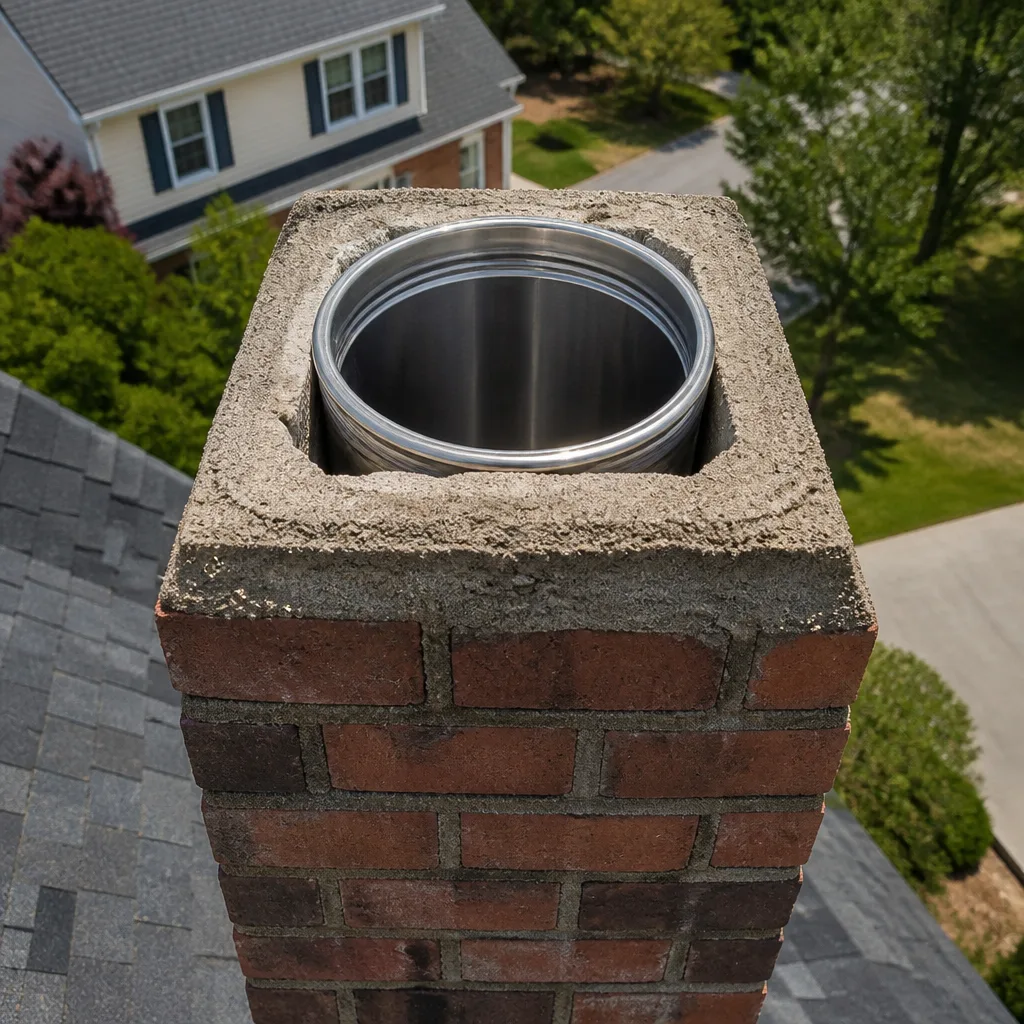
Flexible liner systems, such as DuraFlex, handle retrofit applications in older Hollywood Hills chimneys where rigid sections won’t navigate existing offsets or irregular flue dimensions. Many mid-century chimneys in the hills have clay tile liners with mortar joints that have shifted over decades, and a flexible 316L system can be pulled through those imperfections without the disruption of tearing out masonry. What you’re paying for is the alloy and the installation skill, not just the brand name on the box.
Cap Specifications for Hollywood Hills Fire Zones
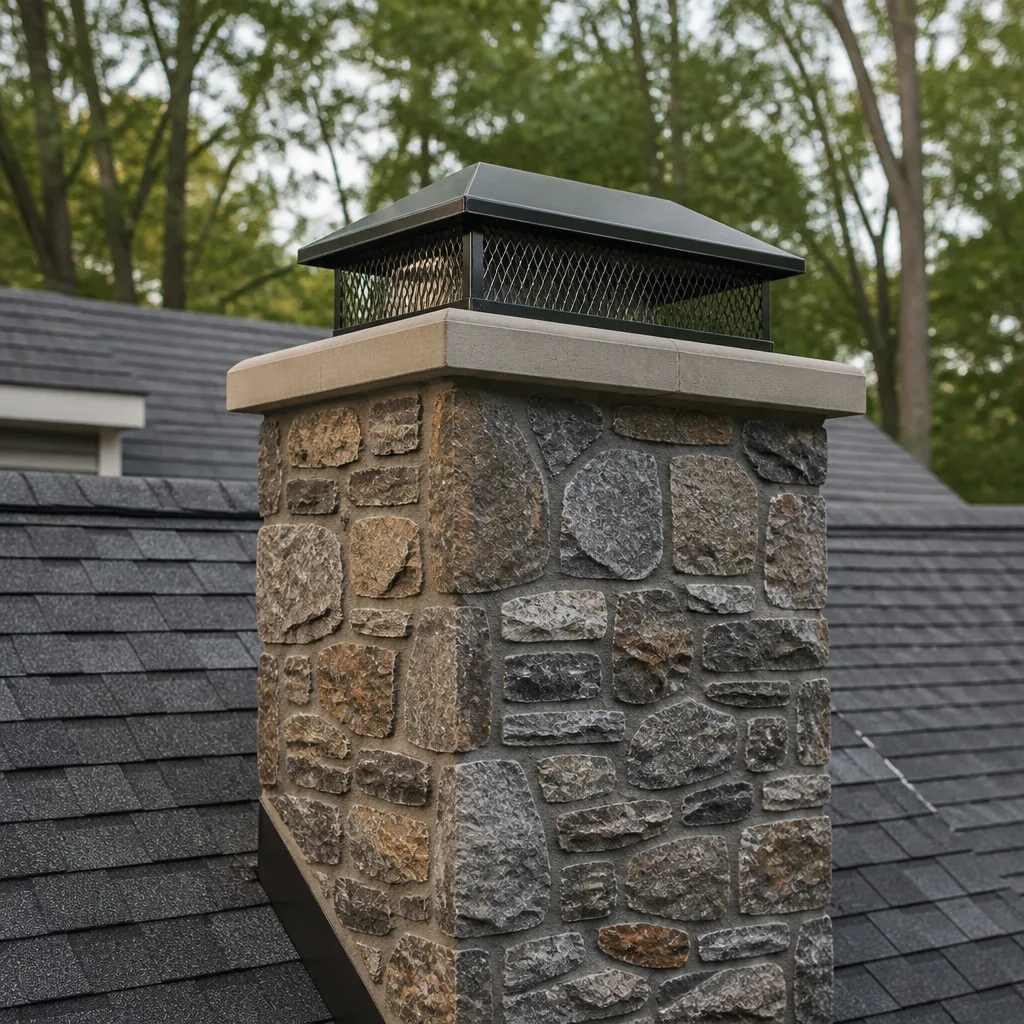
Chimney caps in the Hollywood Hills serve two functions that consumers rarely think about until something goes wrong: keeping rain and animals out, and stopping sparks from leaving the flue. The second function is codified. The Los Angeles Fire Department requires spark arrestors on chimneys serving solid-fuel appliances in designated Very High Fire Hazard Severity Zones, and parts of the Hollywood Hills fall within that designation. The mesh size standard is half-inch openings for the arrestor itself, and a cap that doesn’t meet that spec isn’t compliance.
Mesh size, cap gauge, and mounting type are the three specifications to ask about. Stainless steel mesh with half-inch openings is the VHFHSZ standard. The cap body should be stainless or copper, not galvanized material that corrodes after a few seasons of exposure to sun and smoke. A proper cap mounts with a pressure-fit or mechanical fastener system rated for the flue tile size, not a friction fit that a strong gust can dislodge. Gelco and Famco both manufacture cap and ventilation components known for precision fit, and their product lines reflect the professional trade’s preference for component tolerances that hold up over time.
The cap conversation comes up constantly in Hollywood Hills. Owners replace a missing cap after a rain event, or after raccoons nest in an uncapped flue, and the question is always whether the replacement will pass an inspection by the Fire Department or an insurance underwriter. A cap with the right mesh size and a proper mounting system solves both problems at once. The written estimate should list the cap model and specifications, not just “cap installed.”
High-Temperature Mortar and Sealant Classifications
The chimney crown and the mortar joints between bricks are the two places where material quality shows up in years, not months. A crown is the concrete or mortar surface that caps the top of a masonry chimney and sheds water away from the flue. It’s exposed to direct sun, rain, and the full heat of the chimney below in a climate that cycles between damp marine-layer mornings and dry Santa Ana afternoons. Hardware-store caulk and standard masonry mortar are not rated for this. High-temperature refractory mortar and crown-coat products are formulated to expand and contract with the chimney’s thermal cycles without cracking, and they bond to the existing masonry rather than just sitting on top of it.
What goes into a professional-grade crown coat is different from a consumer sealant in two ways: the aggregate and the binder. Refractory products use aggregates that withstand direct flame exposure and repeated heating without spalling, and binders that maintain flexibility across a temperature range that would shatter a hardware-store product. When we repair a crown in Hollywood Hills, the material comes from commercial product lines that chimney trades use, not a caulking aisle. That’s the difference between a repair that lasts a decade and one that needs redoing after two winters.
This is also where the full-service advantage shows up. A chimney company that sweeps, inspects, and repairs in-house sees the crown condition during every cleaning and can address a minor crack before it becomes a water damage problem. When you’re hiring a Carlton Chimney Sweep technician, you’re getting someone who works with these materials every week, not someone who learned crown repair from a video.
Professional vs Consumer Creosote Removers
Consumer creosote removers, whether powder, spray, or log form, work by chemically altering creosote so that it becomes more brittle and easier to brush off. The idea is not to replace sweeping but to make sweeping more effective between visits. The limitation is in the application. A product that sits in the firebox touches only the creosote near the bottom of the flue, and the chemical reaction requires sustained heat and dwell time that a typical recreational fire may not reach. Professional-application compounds are different, starting with the dilution rate and the method of application. A chimney technician applies a liquid compound to the full interior surface following a mechanical cleaning, often with a spray wand that reaches the entire flue length. The compound is designed to break down the residual layer that brushes can’t fully remove.
The dwell-time difference matters. A consumer log burns for an hour or two and the active ingredient is gone up the chimney. A professional compound remains on the flue wall and continues neutralizing residue until the next heating cycle, which is why it reduces buildup over the course of a season rather than just on the day it’s applied. For Hollywood Hills homeowners who burn regularly from November through February, that residual effect is the difference between one annual cleaning being enough and needing a mid-season touch-up.
The bottom line on cleaning products: they support a cleaning program, they don’t replace one. A Hollywood Hills chimney that burns seasoned hardwood and gets an annual mechanical sweep doesn’t need chemical help. A chimney with a history of slow-burning fires or green wood may benefit from a professional compound after the sweep, but no retail product will substitute for physical removal of a heavy creosote layer.
Questions to Ask a Chimney Contractor
The single best thing a Hollywood Hills homeowner can do when interviewing a chimney company is ask about materials and specifications. A contractor who answers specifically is sourcing from a professional supply chain. A vague answer, like “we use good quality parts,” signals a company that buys from whatever is cheapest or reuses old components. Here’s how to run that conversation.
- Ask what liner alloy they install and what gauge they stock. The answer should be 316L stainless for most wood-burning applications, with a specific gauge like 0.006 or 0.007. “Stainless steel” without the alloy designation is not an answer.
- Ask what cap they recommend and have them specify mesh size. In a fire hazard zone, the answer needs to be half-inch mesh meeting VHFHSZ requirements, plus a stainless or copper body. If they can’t name the mesh size, they aren’t checking compliance.
- Ask what they use for crown repair. A professional answer names a refractory mortar or crown-coat product, not “cement” or “caulk.” Follow up by asking how it handles thermal cycling.
- Ask to see the material after it’s delivered, before installation. A real chimney company will show you the liner sections or cap components. The box label will list the alloy, gauge, and manufacturer.
- Ask how they document their work. Camera inspection before and after a cleaning is now standard practice for reputable companies, and the photo report is what turns a sweep from an assertion into a verified fact.
- Ask whether dryer vent cleaning is part of their scope. This is a surprising quality signal: a company that includes dryer vent work understands full-home ventilation, not just fireplaces.
We handle the sweep and the fix. That’s our operating principle at Carlton Chimney Sweep. Homeowners don’t get handed off to a second contractor mid-problem, and the materials we use come from professional-grade product lines like Copperfield and Olympia Chimney, not a local shelf.
What a Full-Service Chimney Company Stocks
When a chimney company says it’s full-service, the proof is in the inventory it keeps. Carlton Chimney Sweep works with a material lineup that includes DuraFlex flexible liners, HeatShield liner restoration materials, and components from Gelco, Famco, Copperfield, and Olympia Chimney. These are names that certified chimney professionals recognize, because they’re the same supply chain that guilds and trade organizations rely on for repair work that has to pass inspection.
DuraFlex flexible liner systems cover retrofit applications in older or irregular flue configurations common throughout the Hollywood Hills. Masonry chimneys with offsets, partial collapse, or deteriorated tile don’t always accommodate rigid liner sections, and a flexible 316L system handles those cases without major structural demolition. HeatShield is a different tool in the same kit: a certified resurfacing system that rehabilitates a damaged liner by applying a ceramic coating to the existing flue walls. It’s a repair method, not a workaround, and it can restore liner integrity at a fraction of the disruption of a full reliner.
Beyond the fireplace, we extend the same standard to dryer vent work. Your dryer vent is a fire risk too. Lint accumulation in a dryer exhaust line is among the most common ignition sources in residential buildings, and most chimney companies ignore the ducting altogether. A dryer vent cleaning from a company that understands ventilation as a full system catches problems that a fireplace-only sweep never sees. Famco and Gelco components show up here as well, in the vent caps and termination fittings that keep the exhaust line moving properly.
The common thread across all these services is that nothing gets recommended without camera evidence. Clean flue, safe home. We’ll show you what we found and why it matters. A homeowner in the Hollywood Hills should never approve a liner or crown repair based on a verbal claim; the camera image makes the condition visible, and the photo report is yours to keep.
Common Mistakes to Avoid
After years of working in Hollywood Hills chimneys, certain mistakes repeat themselves. Here are the ones we see most often, and what they cost.
- Buying a retail creosote log instead of scheduling a sweep. The log changes the creosote chemistry, but a glazed fourth-stage creosote layer needs mechanical removal. The chimney isn’t cleaner because the log burned; it’s just slightly easier to ignore.
- Accepting a vague material description. “We’ll put in a new liner” without a stated alloy and gauge means you’re buying whatever the company got cheapest. Ask for the specification in writing before work starts.
- Skipping the cap or replacing it with a generic model. In a fire hazard zone, the cap is a compliance item. Half-inch mesh, stainless or copper body, proper mounting. An unrated cap is not a cheap shortcut; it’s a code failure waiting to be flagged.
- Patching a crown with hardware-store caulk. The temperature swings in the Hollywood Hills will crack a consumer sealant within a season or two, and water damage to the chimney’s interior masonry will follow. Refractory materials exist for a reason.
- Going with the lowest quote without checking what’s included. A low quote often means a lighter sweep, no camera inspection, and cheaper materials. Ask what the written estimate covers line by line before comparing prices.
- Assuming the chimney is fine because the fireplace works. Draft and safety are different things. A chimney can draw well while the liner is cracked, and the fire still operates fine until it doesn’t. The inspection is what catches this.
- Using the fireplace as the primary heating source without asking about the flue temperature. This is about burn cycle, not air quality. A heavily used flue in a mild climate still cycles through temperature changes, and condensation plus creosote are the result.
None of these mistakes are irreversible, but each one adds cost or risk. The fix for all of them is the same: ask what’s going in your chimney, and verify it.
When to Call a Professional
Most chimney problems in Hollywood Hills start quietly. A homeowner notices a smell that wasn’t there before, or the fire seems harder to light, or a rainstorm leaves water streaks on the fireplace wall. Any of these is a reason to have the chimney inspected before the next burn. The smell may be creosote buildup. The hard start may be a draft or cap problem. The water streaking is almost always a crown or flashing failure. None of these fix themselves.
An annual inspection is the baseline for a regularly used fireplace, and a sweep plus inspection is the most common service call we run. If an inspection has never been done, or the home is new to you and came with a chimney, that’s an immediate reason to schedule one. If you know the warm fire season is approaching and you want the chimney ready before it gets cold, a sweep now beats a scheduled service in the middle of the season. Carlton Chimney Sweep offers free estimates in Hollywood Hills. Call (855) 731-2852. We answer 24/7. Fast dispatch from 7am to 7pm, Sunday through Friday.
Frequently Asked Questions
The price of a chimney sweep in Hollywood Hills depends on the flue type, the level of creosote buildup, and whether an inspection with camera documentation is included. The written estimate sets the final cost before work begins, and the estimate is free. Call (855) 731-2852 for an exact quote.
A liner with minor surface damage can often be repaired with a resurfacing system. HeatShield ceramic coating restores liner integrity without the disruption of a full reliner, and a camera inspection shows the difference. A severely cracked or collapsed liner needs replacement, typically with 316L stainless steel in a flexible or rigid configuration. The camera tells the story, and we’ll show you what we found and why it matters.
The National Fire Protection Association standard is an annual inspection with cleaning as needed, and we recommend the same for any Hollywood Hills fireplace used more than a few times a season. A flue that burns seasoned hardwood and gets a mechanical sweep every year rarely needs chemical help. A flue that has never been inspected is due the day you schedule it.
Creosote continues to accumulate until it either restricts the draft or ignites. A restricted draft pushes smoke and carbon monoxide into the living space. A creosote fire burns inside the flue and can crack the liner, spread to the structure, or send burning material onto the roof. Both outcomes are preventable with an annual sweep and inspection. Call (855) 731-2852 to schedule one.
Consumer creosote removers alter the chemical structure of creosote so it brushes off more easily during the next professional cleaning. They are a supplement, not a replacement, and they work only when a real mechanical sweep follows. Professional-application compounds, applied by a technician after a cleaning, offer a stronger residual effect because they coat the full flue and continue working through multiple burn cycles.
Spark arrestors in designated Very High Fire Hazard Severity Zones must meet half-inch mesh standards, and much of the Hollywood Hills falls within that designation. A cap with the wrong mesh size doesn’t comply, and it won’t stop embers from escaping the flue. Our cap and ventilation components come from Famco and Gelco product lines known for precision fit, and we specify the half-inch mesh on every cap install.
The Bottom Line
The right chimney cleaning brand in Hollywood Hills is not a retail product. It’s the professional-grade material your technician chooses when a sweep finds something that needs repair: a 316L liner, a half-inch mesh cap, a refractory crown coat, or a certified resurfacing system. Ask your contractor for specifications before you approve any work, and don’t accept vague answers. A company that names its alloys, stocks professional product lines, and documents everything on camera is the company you want. Carlton Chimney Sweep handles the sweep and the fix, from the firebox to the dryer vent, and every recommendation comes with photo evidence you keep. Call (855) 731-2852. We answer 24/7. Fast dispatch from 7am to 7pm, Sunday through Friday.
Written by the team at Carlton Chimney Sweep, serving Hollywood Hills since 2015.
See the difference
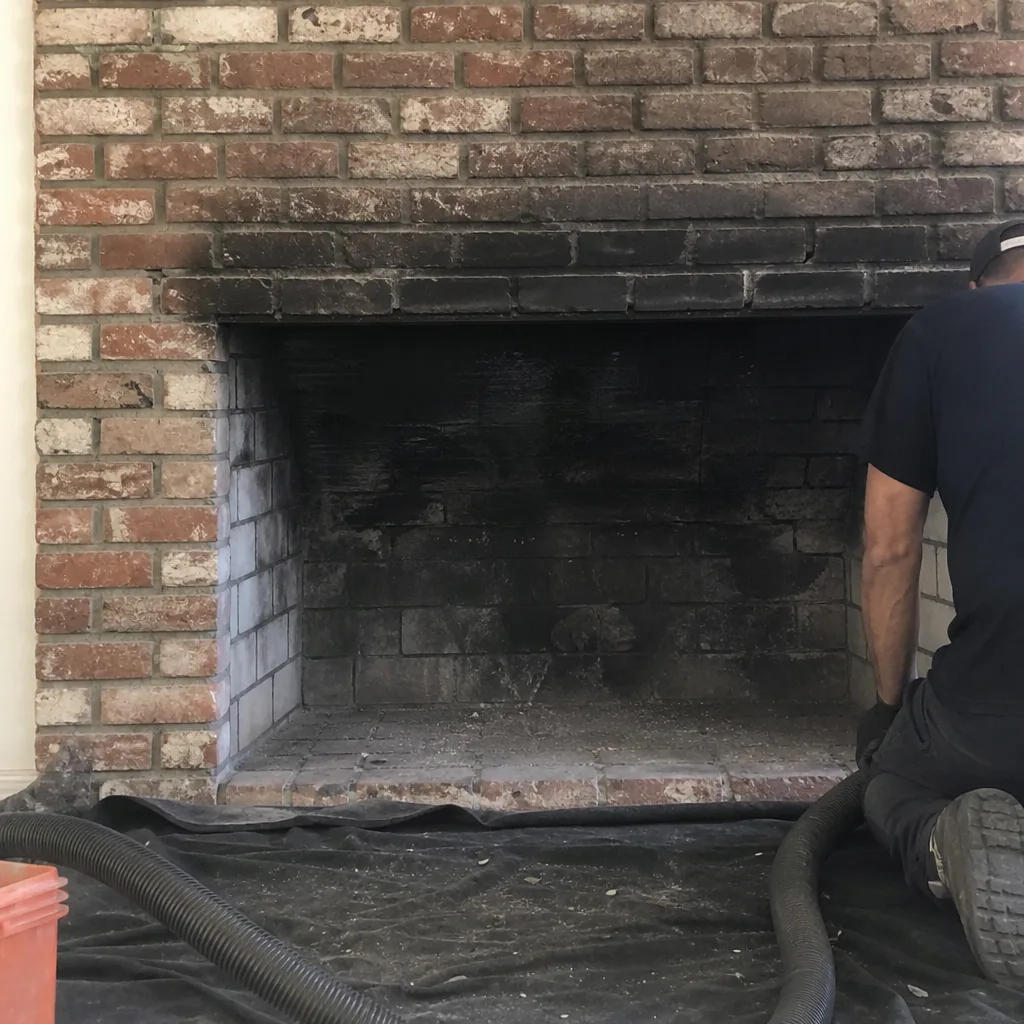 Before
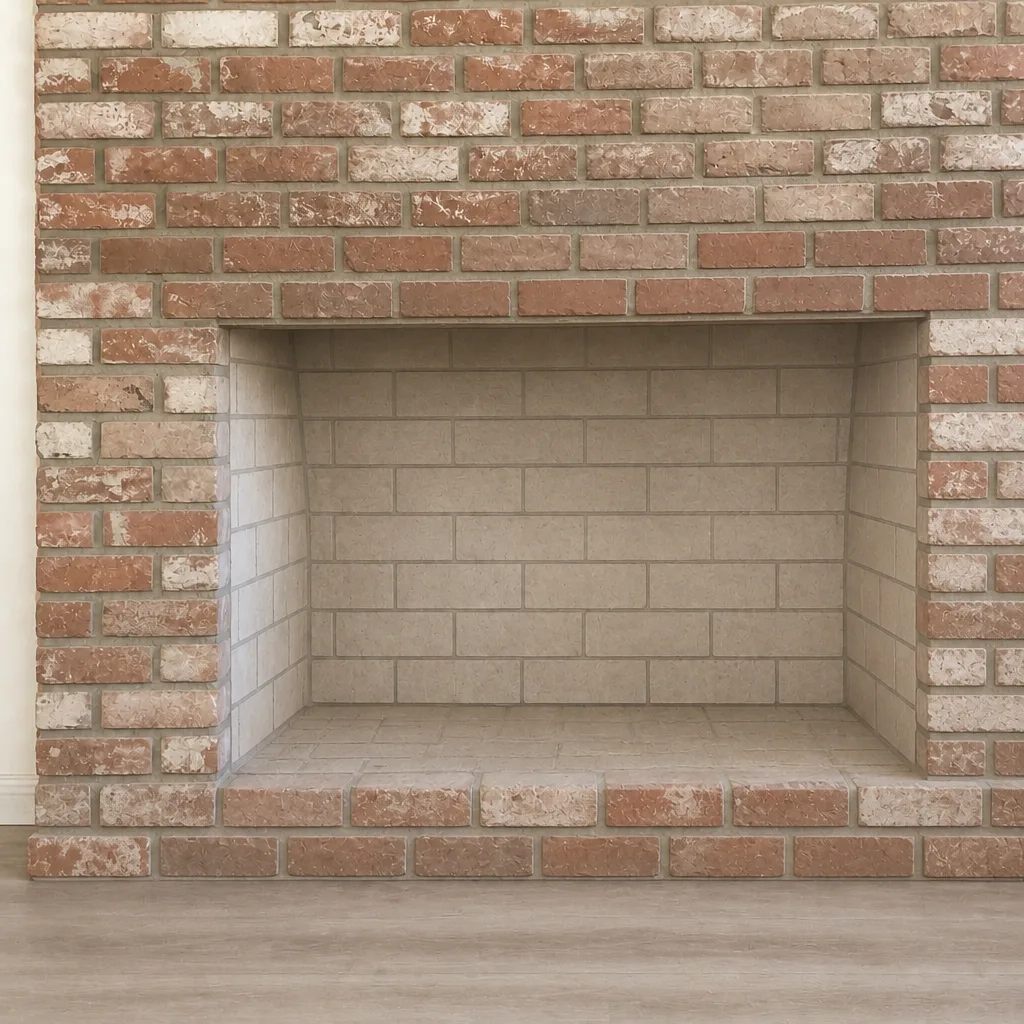 After
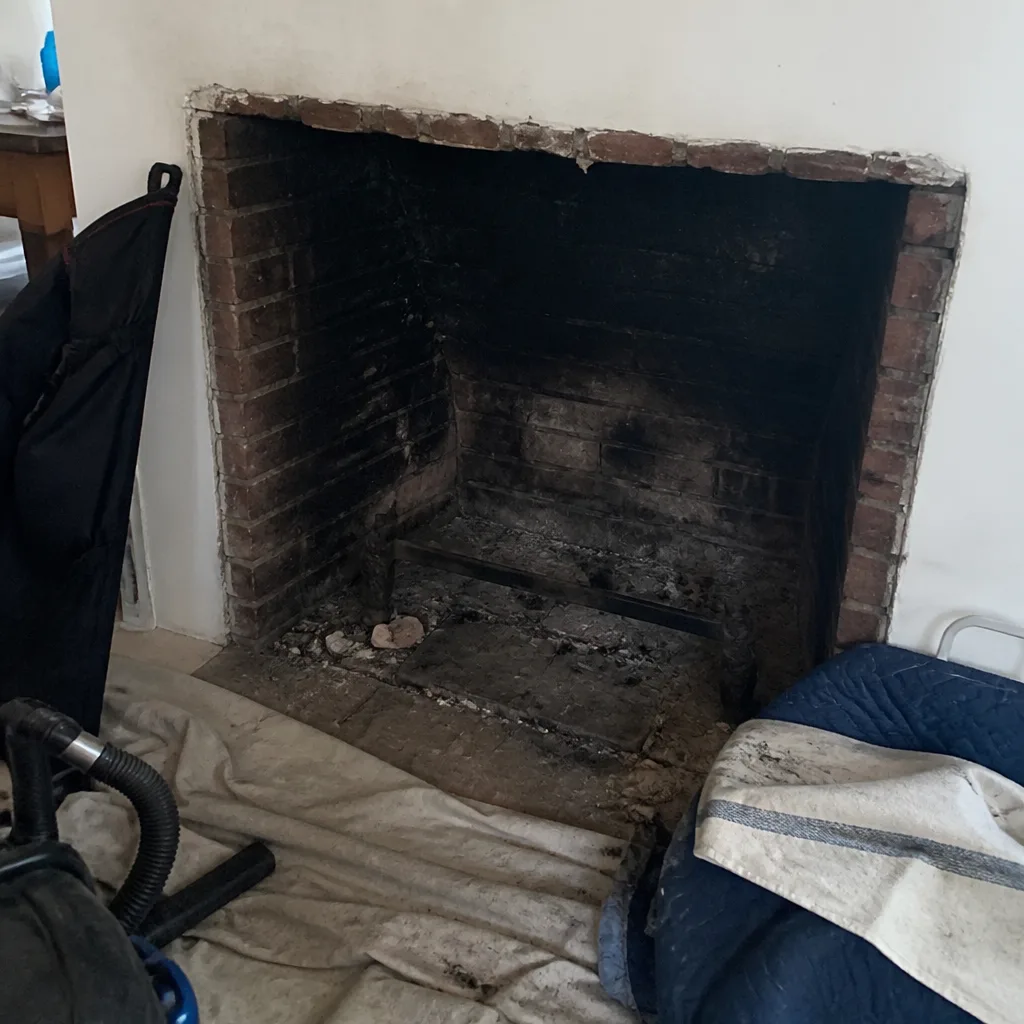 Before
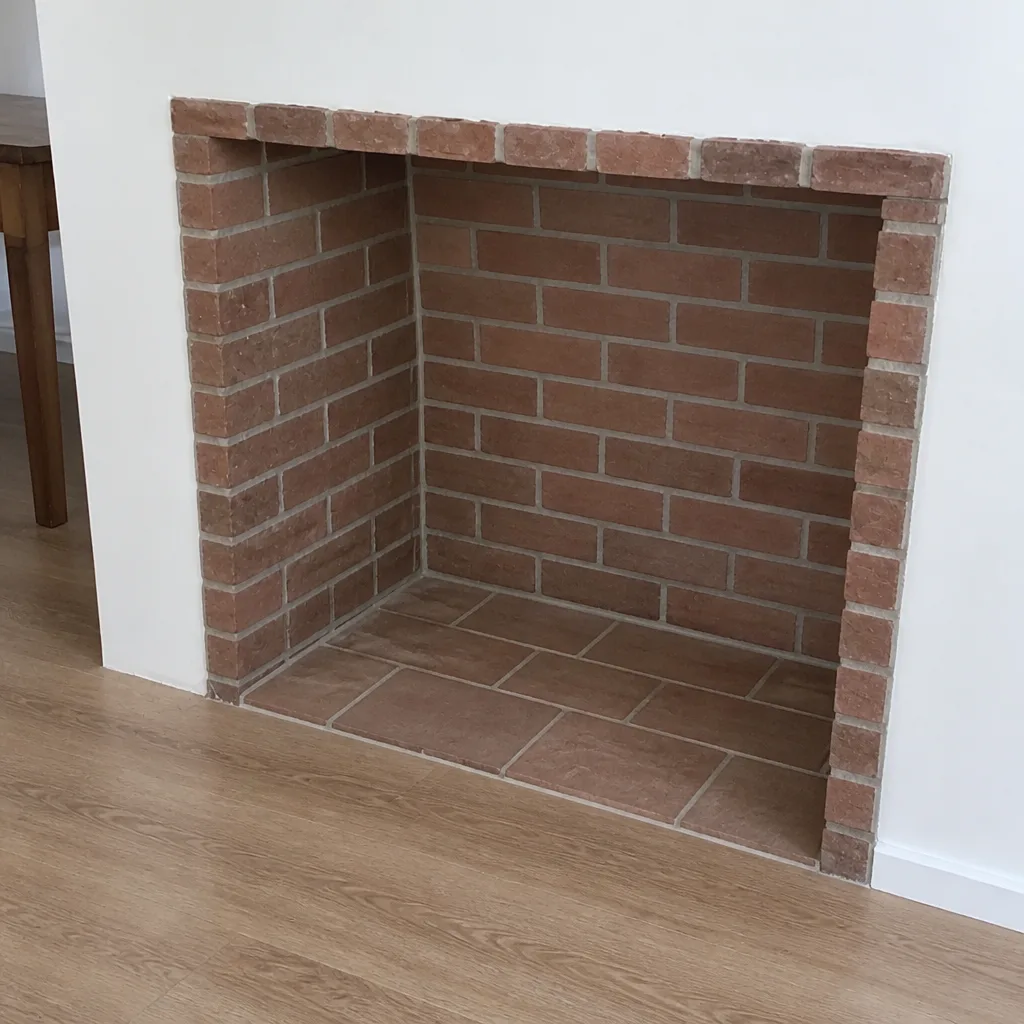 After
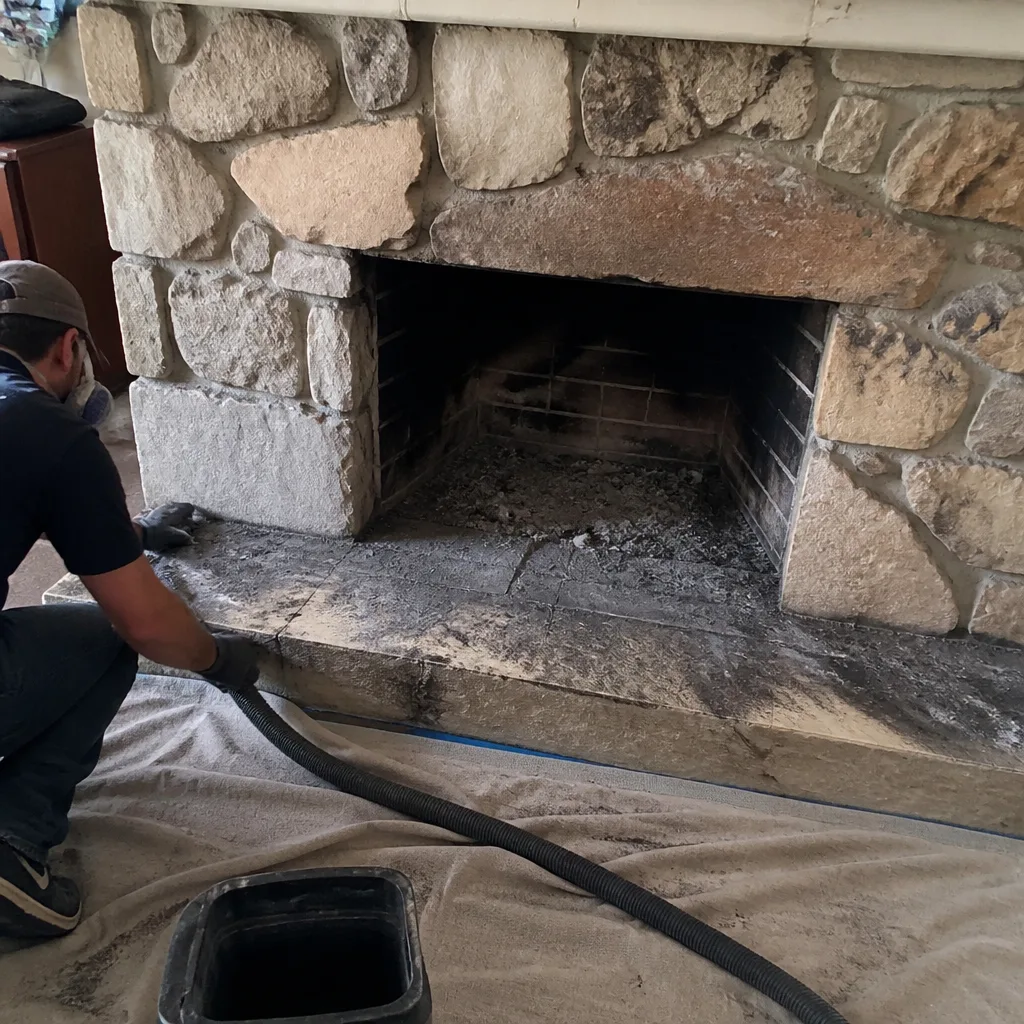 Before
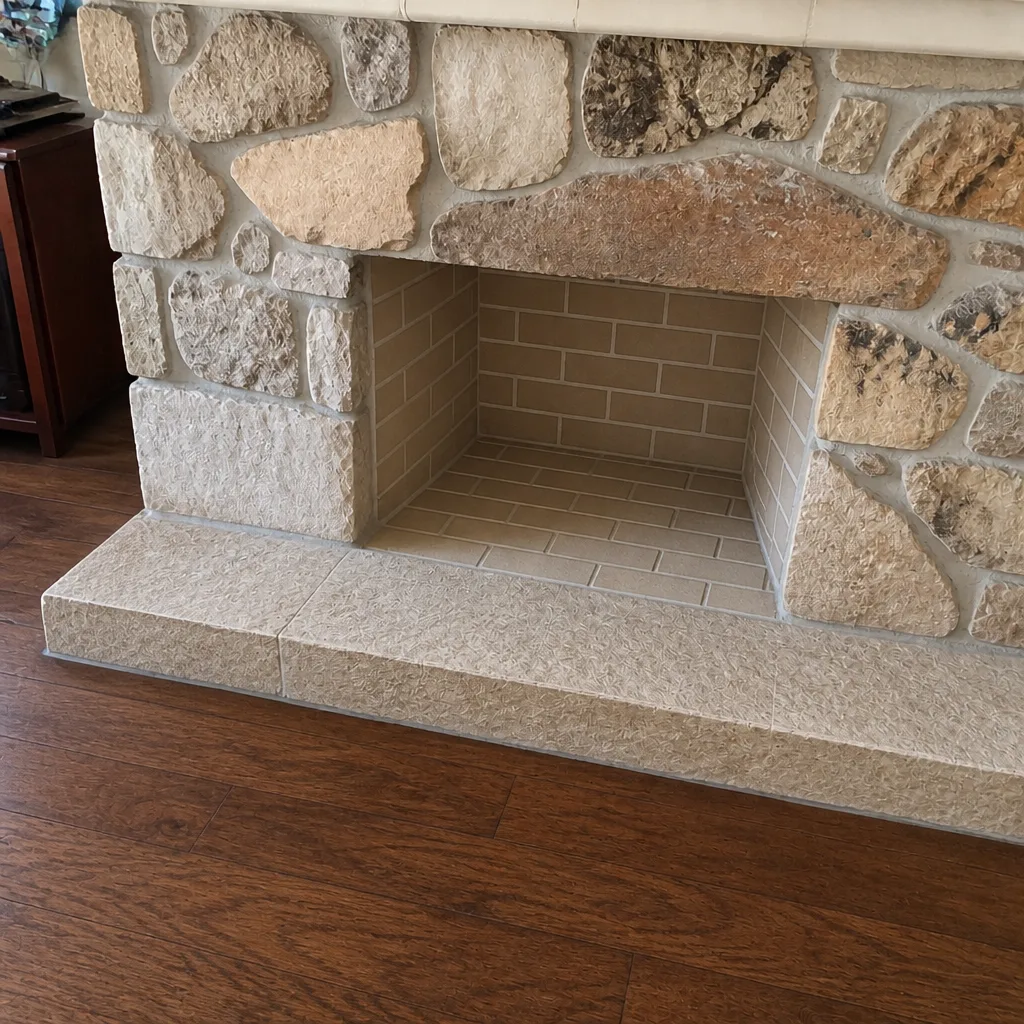 After