
Last updated November 4, 2026
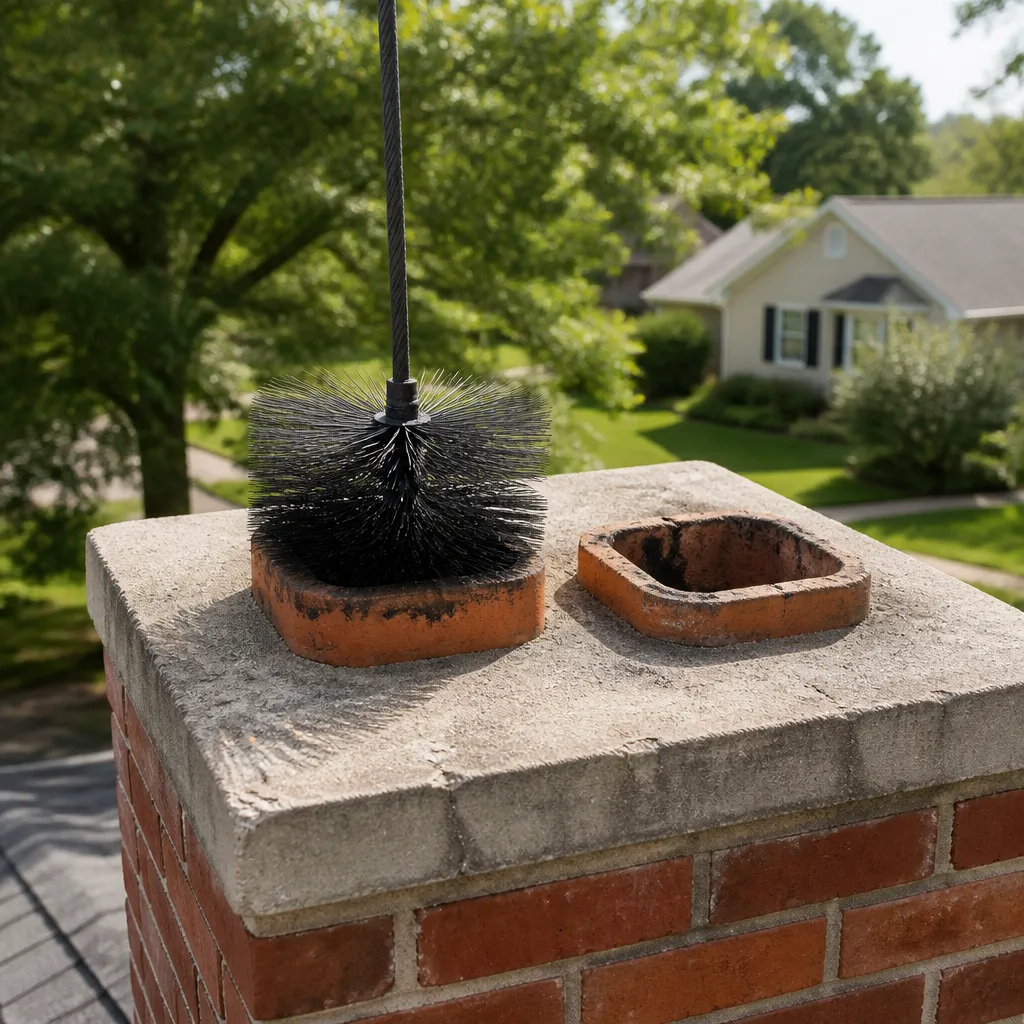 Sweep & inspection
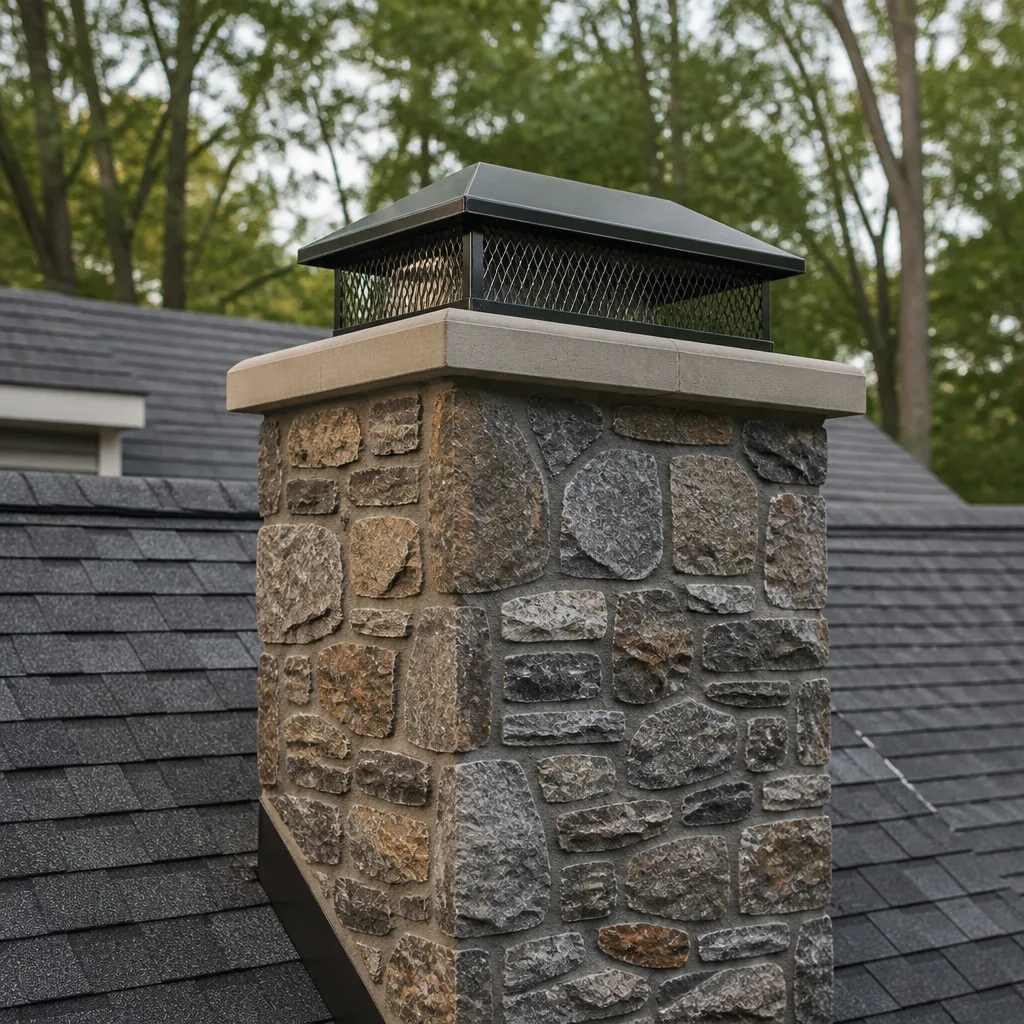 Caps & crowns
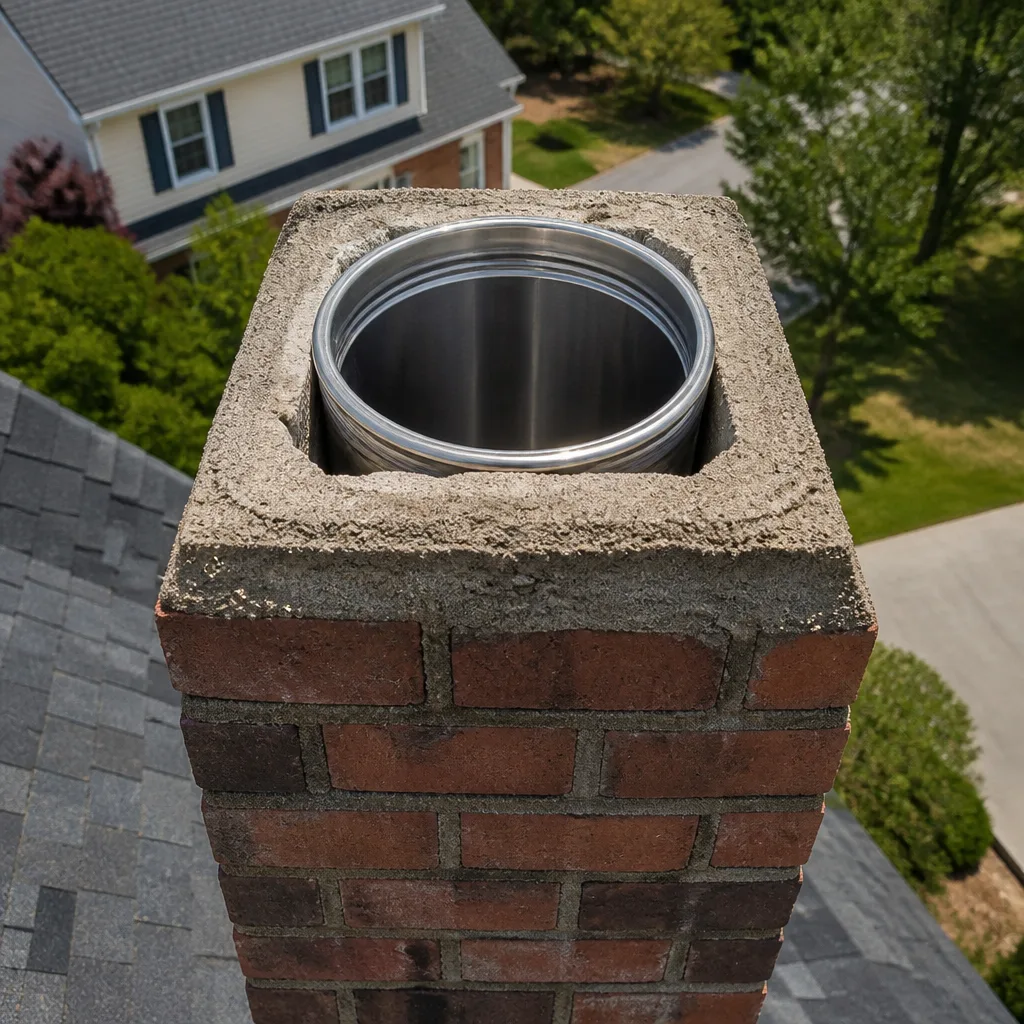 Flue relining
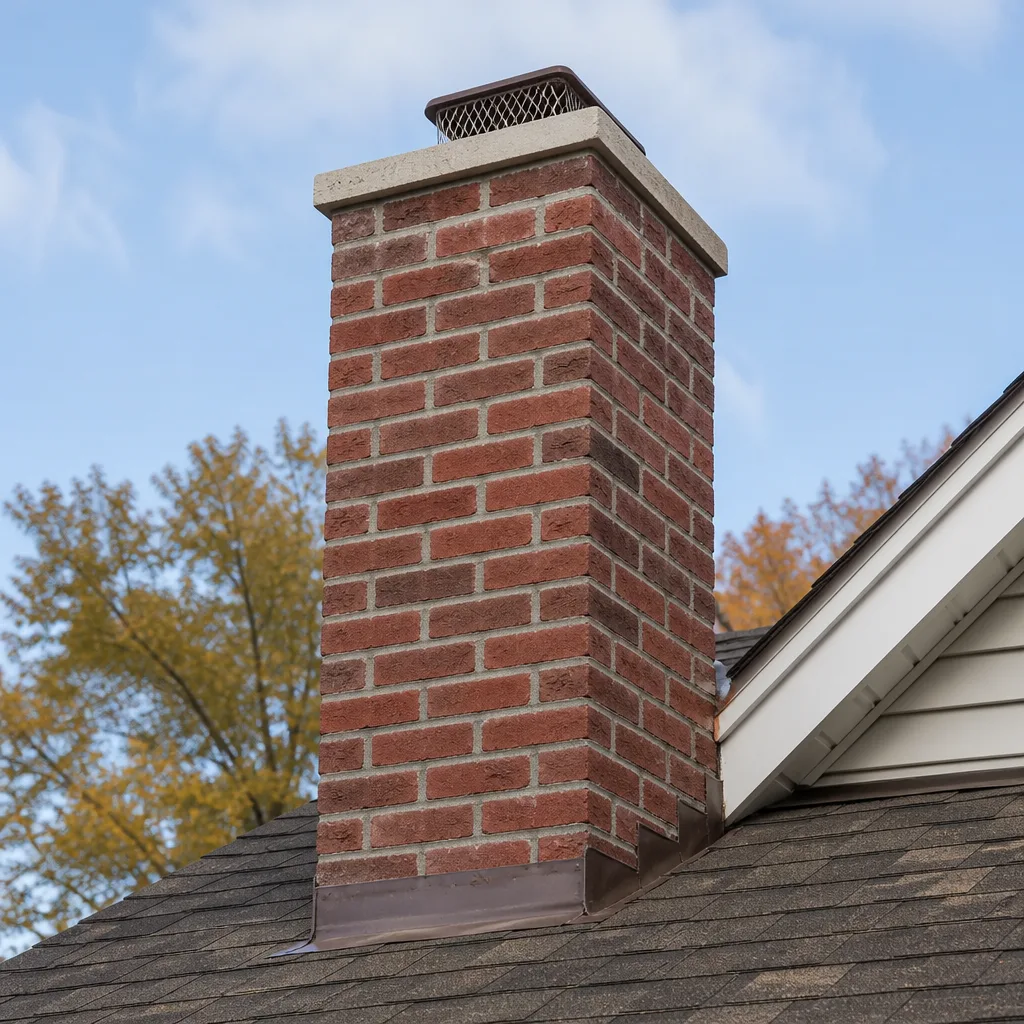 Masonry repair
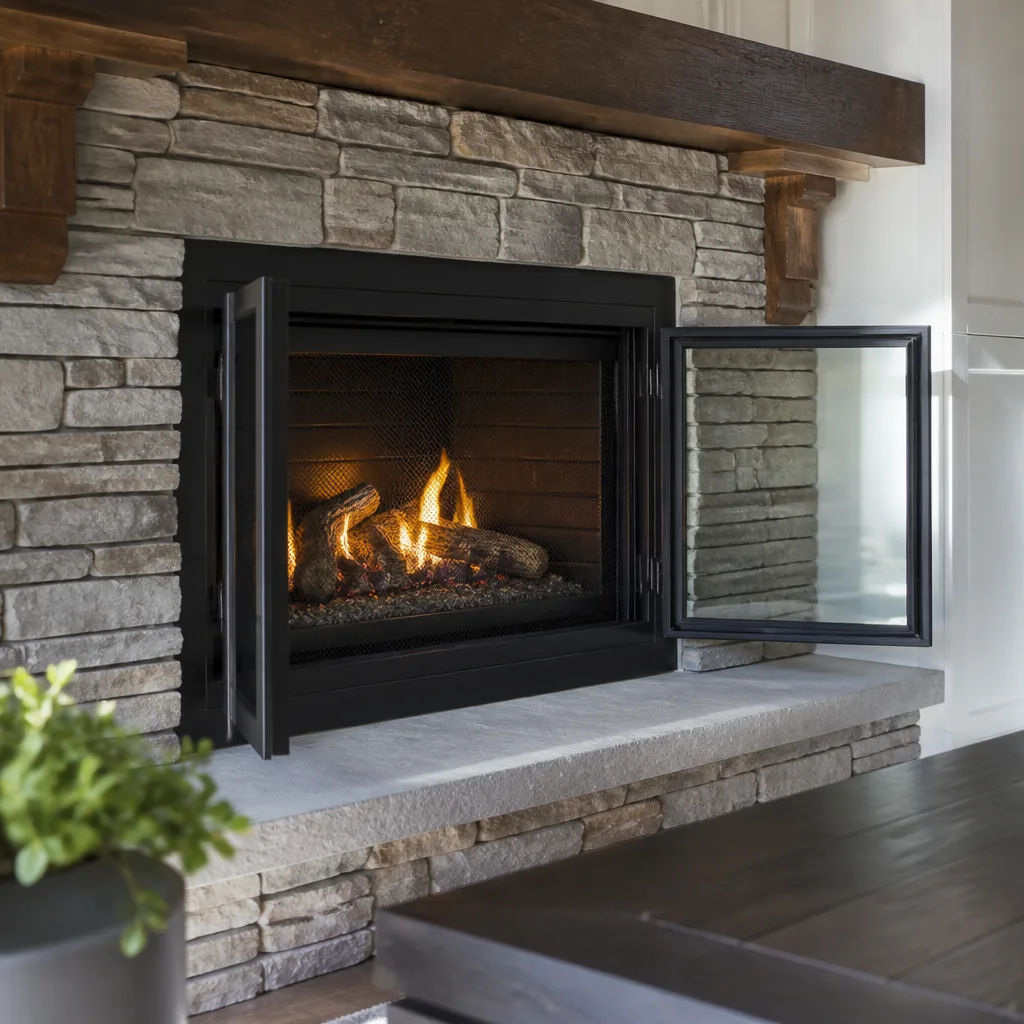 Gas fireplace service
Level 1 sweep and inspection to the NFPA 211 annual standard - flue, crown, cap, and flashing checked and photographed
Chimney sweep logs do not sweep chimneys. They loosen some creosote - which then falls where a brush and vacuum still have to collect it.
The Complete Guide to Chimney Cleaning in Hollywood Hills
Most chimney cleaning guides were written for homes in the Midwest that use their fireplaces four months a year. A Hollywood Hills home sits in a fire-prone canyon, absorbs coastal humidity year-round, and may go untouched for a decade – that’s a different problem entirely. If you’ve been following generic advice about annual sweeps and creosote buildup, you’re working from a playbook that doesn’t match the conditions your flue actually faces. This guide maps every cleaning decision to the specific environment your chimney operates in, from the Santa Ana wind cycle to marine-layer moisture. By the end, you’ll know exactly when to sweep, what level of inspection your home actually needs, and which signs mean real trouble versus routine wear.
Quick Answer
Chimney cleaning in Hollywood Hills typically costs $180 to $340 for a standard sweep with visual inspection, and should be scheduled annually if you burn wood regularly, or at minimum every two years even with light seasonal use. Unlike colder climates where creosote builds up from heavy winter burning, Hollywood Hills chimneys face a different threat pattern: creosote pushed into unusual zones by Santa Ana winds, moisture-driven spalling from marine-layer humidity, and heavier debris loads from canyon vegetation. A Level 2 inspection with a camera is the right starting point for most hillside homes because it documents liner condition – something you need when buying, selling, or after any suspicious burning episode.
Styles & brands we work with
- Sweep & inspection
- Caps & crowns
- Flue relining
- Masonry repair
- Gas fireplace service
Table of Contents
- Why Hollywood Hills Chimneys Are Different
- How Often Should You Clean a Chimney in Hollywood Hills?
- The Santa Ana Wind Factor: Creosote in Places a Standard Brush Misses
- Marine-Layer Moisture: The Invisible Threat to Your Liner
- Canyon Vegetation and Debris Load: What Gets Inside Your Flue
- Level 1, Level 2, Level 3: Which Inspection Does Your Chimney Need?
- Professional-Grade Materials vs. Big-Box Patch Products
- What Does Chimney Cleaning Cost in Hollywood Hills?
- Common Mistakes to Avoid
- When to Call a Professional
Why Hollywood Hills Chimneys Are Different
Chimney maintenance advice is overwhelmingly written for homes in places like Ohio, Michigan, or upstate New York. Those chimneys run hot for four or five months straight, building up thick creosote layers that need to be scraped and swept every year without exception. They also face snow load, freeze-thaw cycles, and ice dams that stress the masonry from the outside. A chimney in Hollywood Hills operates under a completely different set of rules.
Your fireplace probably gets used on cool evenings between October and March, maybe two or three dozen burns a year. The temperatures are lower, the fires are smaller, and the burn season is shorter. That sounds like it should mean less maintenance – and in some ways it does. But the conditions that replace heavy winter use create their own set of problems. Mild weather means intermittent burning, and intermittent burning means more opportunity for moisture to work into flue walls between fires. It also means more time for canyon debris to collect on the chimney cap and filter down into the flue. The result is a chimney that ages differently than its Midwestern counterpart, and needs a different kind of attention.
We’ve worked on hundreds of chimneys in the Hollywood Hills area, and the pattern is consistent: the problems we find are rarely the classic “thick glazed creosote” issues you read about in generic guides. Instead, we see moisture damage in the upper flue, spalled brick at the crown, debonding liner sections, and creosote accumulation in unexpected zones driven there by wind pressure. Understanding why these happen is the first step to knowing what your chimney actually needs. For a full assessment of your system, a chimney sweep with camera inspection gives you a documented baseline you can compare year over year.
How Often Should You Clean a Chimney in Hollywood Hills?
The short answer: if you burn wood regularly, schedule an annual sweep. If you use your fireplace only a handful of times each season, every two years is usually sufficient – but you should still get a visual check each year. This is different from the national guidance, which is built around daily burning in cold climates. The reason for the annual recommendation in Hollywood Hills isn’t creosote volume. It’s the combination of debris, moisture, and occasional ember exposure that accumulates over a fire season and needs to be cleared before it becomes a fire hazard or a structural problem.
Here’s a practical schedule based on your usage pattern:
- Regular wood burner (20+ fires per year): Annual sweep and inspection. You’re putting enough creosote into the flue that a yearly cleaning is the safe baseline.
- Occasional user (5 – 20 fires per year): Annual visual check, sweep every 18 – 24 months. Debris and moisture are your bigger concerns than creosote volume.
- Rare user (under 5 fires per year): Sweep every 2 years, but inspect the cap and crown annually. Unused chimneys collect more debris than used ones, and moisture has more time to work.
- New home purchase: Schedule a Level 2 inspection before the first burn, regardless of what the previous owner said about maintenance. You need to know what you’re working with.
If you also have a gas fireplace or a wood stove in the house, the venting system for that appliance needs to be checked on the same schedule, even though combustion byproducts are different from wood creosote. And if your home has a dryer vent cleaning need, that’s a separate annual task with its own schedule – lint is the leading cause of household appliance fires, and most homeowners never think about it until there’s a problem.
The Santa Ana Wind Factor: Creosote in Places a Standard Brush Pass Misses
Santa Ana winds are a defining feature of life in the Hollywood Hills. They blow down through the canyons from the high desert, picking up speed and heat as they compress. For a chimney, this isn’t just a weather inconvenience. It’s a mechanical force that changes how your flue pressurizes, and it changes where creosote deposits end up.
In a typical chimney, creosote builds up on the inner flue walls in a relatively even layer, with the thickest deposits forming where the smoke cools fastest – usually in the upper third of the flue. That’s the standard pattern, and the standard chimney brush is designed to address it. But in a hillside home exposed to strong canyon winds, the pressure differentials can push smoke and combustion gases into corners, offsets, and connector joints that a straight brush pass won’t fully clean. The wind creates eddies and back-pressure conditions that force particulates against flue surfaces unevenly. Over time, that means creosote collects in pockets you can’t see from the firebox.
This is one of the reasons a visual-only sweep isn’t enough for a hillside home. A camera inspection reveals exactly where those wind-driven deposits have formed, so the cleaning technician can target those zones with a rotary whip or specialized brush instead of running a standard pole brush through and calling it done. Without that step, you can have a “clean” chimney that still has significant creosote hiding in the offsets. The next fire you light has everything it needs to ignite those pockets and turn a quiet evening into a chimney fire.
The takeaway: Santa Ana winds make standard cleaning methods incomplete. You need an inspection that shows the actual acid glazing and creosote distribution inside your flue, not a generic sweep that assumes uniform deposition. That’s the difference between a chimney that’s actually safe and one that just looks clean on the receipt.
Marine-Layer Moisture: The Invisible Threat to Your Liner
Hollywood Hills sits close enough to the Pacific that marine-layer moisture is a year-round presence, even when the sun burns it off by mid-morning. That humidity works on your chimney from both the outside and the inside, and it’s harder on a lightly used flue than on one that gets fired daily.
Here’s why. When you burn a fire, the flue heats up and drives moisture out of the masonry and the liner. In a cold climate with daily burning, that drying cycle happens all winter long. In Hollywood Hills, a chimney that gets used once a week sits with that moisture in the system for six days at a time. The water absorbs into the mortar joints, the crown, and the brickwork. Over the years, that moisture cycling causes spalling – the flaking and breaking of brick faces driven by water expansion and contraction. It also accelerates corrosion in clay tile liners, which are porous and can absorb water that weakens the tile’s structure.
Hillside homes have an additional exposure factor. The elevation and the canyon orientation mean your chimney is up where the marine layer sits, not down in the basin where the air burns off quicker. The morning fog that rolls through the canyon passes directly across the top of your chimney, depositing fine moisture on the crown and cap. If your crown has hairline cracks – and after a few years, most do – that moisture works its way into the masonry and starts doing damage that’s invisible from the ground.
This is where a HeatShield liner restoration becomes relevant. When moisture and time have damaged a clay tile liner but the chimney structure is still solid, a full reliner is expensive and disruptive. HeatShield is a certified resurfacing system that restores the interior of the flue to a smooth, sealed, moisture-resistant surface without pulling the old liner out. For a Hollywood Hills chimney that’s seen fifteen years of marine-layer humidity, this is often the right intervention at the right price. Carlton Chimney Sweep is a certified HeatShield applicator, which means we can make that assessment honestly and show you the camera footage that supports it – or tell you when it isn’t needed.
Canyon Vegetation and Debris Load: What Gets Inside Your Flue
The closer your home sits to canyon vegetation, the more material is trying to get into your chimney. Hollywood Hills neighborhoods vary a lot in this respect. A home on a bare ridge has less debris pressure than one tucked into a hillside with oak, eucalyptus, pepper trees, and jasmine canopy right at the roofline. But most homes in the area have at least some vegetative influence on their chimney caps.
The debris that matters isn’t just leaves and twigs. It’s the fine combustible material – eucalyptus bark, pepper tree berries, dried flower heads, dead grass blown up from the canyon floor – that collects on the chimney cap and slowly filters into the flue. This material is lighter than firewood smoke, so it doesn’t always follow the same draft path as combustion byproducts. It settles on ledges, behind dampers, and in the smoke chamber, creating a layer of flash fuel that wouldn’t be there in a climate without this kind of vegetation load.
Birds add to the problem. Hillside homes are prime nesting territory for starlings, sparrows, and occasionally chimney swifts. A bird building a nest in your flue isn’t just a blockage – it’s a highly flammable obstruction that can ignite from the first decent fire of the season. Even if a nest doesn’t catch fire, it changes the draft dynamics of the flue, pushing smoke and carbon monoxide back into the home.
The practical implication is that a chimney cap is not optional in the Hollywood Hills – it’s a core part of the system. And the cap itself needs attention during every cleaning. We use Famco and Gelco caps and vents, which are built for real weather exposure and sized precisely to the flue dimensions, rather than the universal-fit models you find at big-box hardware stores. When a cap doesn’t fit right, it either blocks draft or lets debris in around the edges. In a hillside home with the debris pressure this area generates, that’s not a minor annoyance. It’s a safety issue.
Level 1, Level 2, Level 3: Which Inspection Does Your Chimney Need?
Chimney inspections are categorized into three levels by the National Fire Protection Association, and understanding the difference saves you from paying for more than you need – or settling for less than your situation requires. Here’s what each level covers and where Hollywood Hills homes typically land.
Level 1 inspection: This is the basic check performed during an annual sweep. The technician examines all readily accessible parts of the chimney – the firebox, the damper, the visible flue surface from above and below, the cap, and the exterior masonry – with a flashlight and basic hand tools. There’s no camera work and no intrusive access. Level 1 is appropriate when you’re using the chimney the same way as before, with the same fuel, and nothing unusual has happened since the last cleaning.
Level 2 inspection: This adds camera scanning of the interior flue, a thorough attic check, and closer examination of the exterior crown, flashing, and chase if present. It’s required by code whenever there’s a change in the system – a new liner, a new stove, a new fuel type – and whenever a property changes hands. In the Hollywood Hills, the Level 2 is also the inspection we recommend most often, even for existing owners who haven’t changed anything. Why? Because the moisture and wind conditions described earlier create hidden issues that a Level 1 can’t detect. A hairline crack in the upper flue, a debonding tile, a void behind the brick – those show up on a Level 2 camera pass and are invisible from the firebox or the top.
Level 3 inspection: This is the invasive inspection, reserved for when a Level 2 has already identified a problem that requires dismantling part of the structure to fully assess. It involves removing sections of the chimney, cutting access holes, or other demolition work. It’s not a routine service. In a hillside home where spalling is suspected deep in the masonry, a Level 3 might be needed before committing to a full rebuild.
For most Hollywood Hills homeowners, we recommend a Level 2 every two to three years, and at minimum whenever there’s a real estate transaction or a significant change in burning habits. The camera footage you get from a Level 2 is the single most useful document in chimney maintenance – it’s the difference between knowing and guessing.
Professional-Grade Materials vs. Big-Box Patch Products
When something does need repair in your chimney system, the material you choose has a direct effect on how long the fix lasts – and in this climate, the wrong material fails fast. Big-box hardware stores stock chimney products that are designed for the broadest possible market, not for the specific demands of a hillside environment with marine-layer moisture and wind-driven debris. The result is patched chimneys that look fixed for a season or two and then need the same repair again.
Here’s a practical comparison of what we see in the field:
- Stainless liner systems: A DuraFlex flexible stainless steel liner is the standard professional choice for retrofitting older chimneys or relining damaged flues. The stainless holds up to moisture, resists corrosion, and carries a lifetime warranty that actually reflects real-world durability. The rigid or thin-wall liners sold at the hardware store are not the same grade, and the connectors and fittings that come with them are where problems start.
- Crown repair materials: A proper crown repair uses a flexible sealant engineered for masonry movement, not a rigid patching compound. In a Hollywood Hills chimney exposed to daily temperature swings and marine moisture, a rigid patch cracks within a year. The professional materials we use – including Gelco and Copperfield products – are designed for exactly this application.
- Cap and vent components: An ill-fitting universal cap from a box store creates the debris and bird problems described earlier. Precision-fit Famco caps sized to the actual flue dimensions keep debris out and maintain proper draft.
- Waterproofing treatments: A breathable masonry waterproofing applied by a professional allows moisture vapor to escape while blocking liquid water. A sealant from the hardware store often traps moisture inside the masonry, which accelerates spalling in this climate rather than preventing it.
The difference isn’t just price. It’s the supply chain behind the product. We install and service materials from DuraFlex, HeatShield, Gelco, Olympia Chimney, and Copperfield – the same brands professional chimney guilds rely on across the country. These products are tested to real standards, backed by real warranties, and specified for the conditions a hillside chimney faces. When a repair lasts fifteen years instead of three, the professional-grade material isn’t an upsell. It’s the whole point.
What Does Chimney Cleaning Cost in Hollywood Hills?
Chimney cleaning prices in Hollywood Hills run a little higher than the national average, driven by the complexity of hillside properties and the inspection standards this area warrants. Here’s a realistic breakdown of what to expect for the primary services.
- Standard sweep with Level 1 inspection: $180 – $280 based on flue height and accessibility.
- Sweep with Level 2 camera inspection: $300 – $450, with the camera footage included.
- Chimney cap replacement or install: $200 – $600 based on the flue size and material.
- HeatShield liner restoration: Quotes are per job based on liner condition and flue length; this is a structural repair, not a maintenance item.
- Full reliner with DuraFlex stainless: Quotes are per job, based on flue length, offsets, and access conditions.
These are typical ranges for the Hollywood Hills market, not firm quotes. The final price is set by the written estimate after we assess your specific chimney, flue access, and the condition of the existing system. When you call, we’ll ask a few basic questions about your fireplace, your burning habits, and when the chimney was last cleaned, then schedule a visit. The estimate is free, and the work is done with the camera evidence shown to you before any repair is recommended.
Common Mistakes to Avoid
- Skipping the camera inspection to save money. A sweep without a camera can miss the exact wind-driven creosote pockets and moisture damage that Hollywood Hills chimneys are prone to. You’ll pay less now and more later.
- Waiting until you see smoke backing into the room. By the time smoke is visible, you’ve already got a draft problem, a blockage, or a liner issue. The cleaning should happen before failure, not after it shows up.
- Using the fireplace as a debris incinerator. Burning wrapping paper, fallen branches from the yard, or construction scraps pushes ash and creosote into places that will not clear with a normal sweep.
- Painting the chimney with waterproof paint. This is a common hillside fix that looks like maintenance and actually traps moisture inside the masonry. Breathable treatments work. Paint doesn’t.
- Ignoring the dryer vent. Your chimney isn’t the only exhaust system in the home. A clogged dryer vent is the most common source of appliance fires in American homes, and a dryer vent cleaning is a simple annual task with real consequences if skipped.
- Assuming the previous owner’s maintenance is enough. Nothing documents the condition of your flue like a current camera inspection. When you buy a home in the Hollywood Hills, start your chimney relationship from zero, not from someone else’s memory.
- Choosing the cheapest material for repairs. The age of the chimney and the marine-layer exposure mean hardware-store patch products fail faster here than in drier climates. The right material costs a little more upfront and avoids the repeat repair.
When to Call a Professional
Some chimney issues you can see and some you can’t, but almost all of them benefit from professional attention sooner rather than later. Call a professional if you notice any of these: smoke entering the room instead of going up the flue, a persistent odor even when the fireplace isn’t in use, visible rust or scaling on the cap or crown, pieces of brick or mortar falling into the firebox, or animals nesting in the flue. If you’ve inherited a home with no chimney maintenance records, that’s also a reason to schedule a Level 2 inspection before the first burn. If your carbon monoxide detector has gone off near the fireplace, stop using it and call immediately.
Carlton Chimney Sweep offers free estimates in Hollywood Hills. Call (855) 731-2852. We answer 24/7. Fast dispatch from 7am to 7pm, Sunday through Friday.
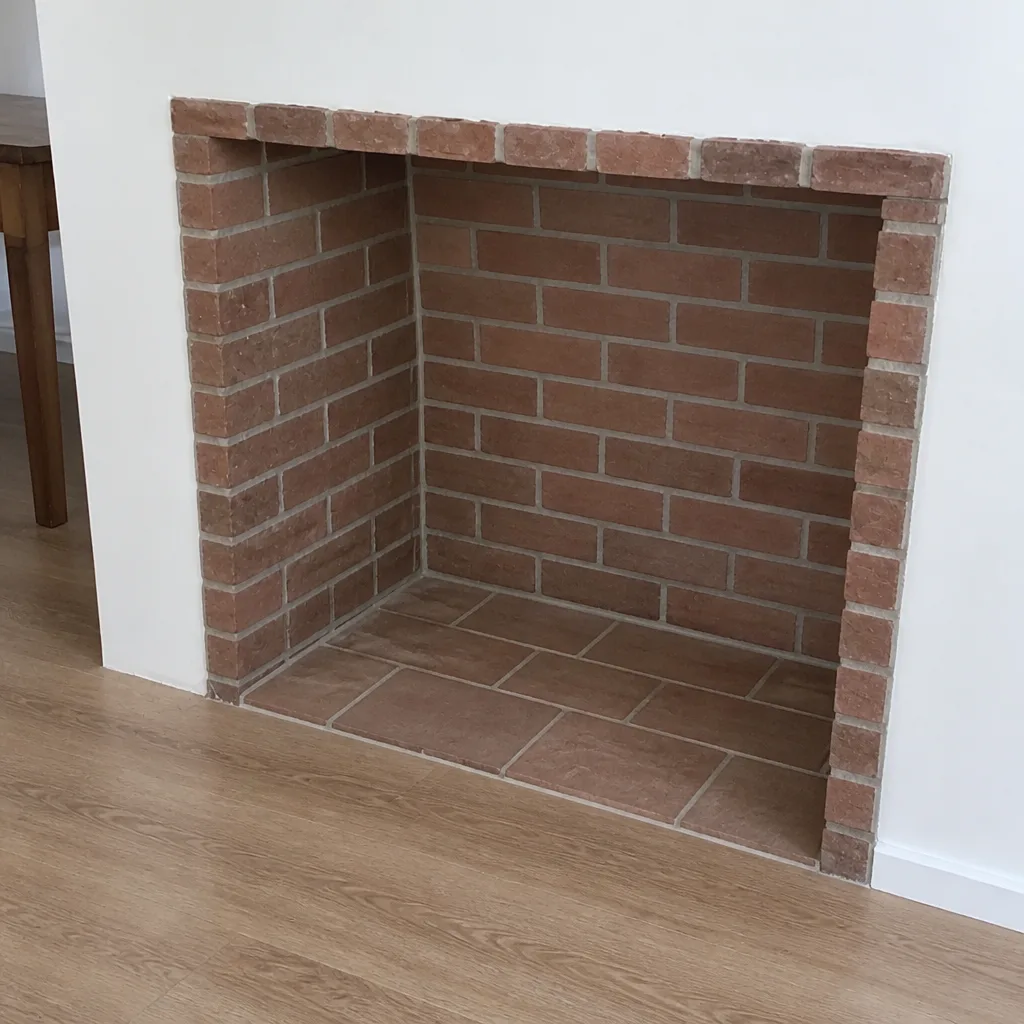
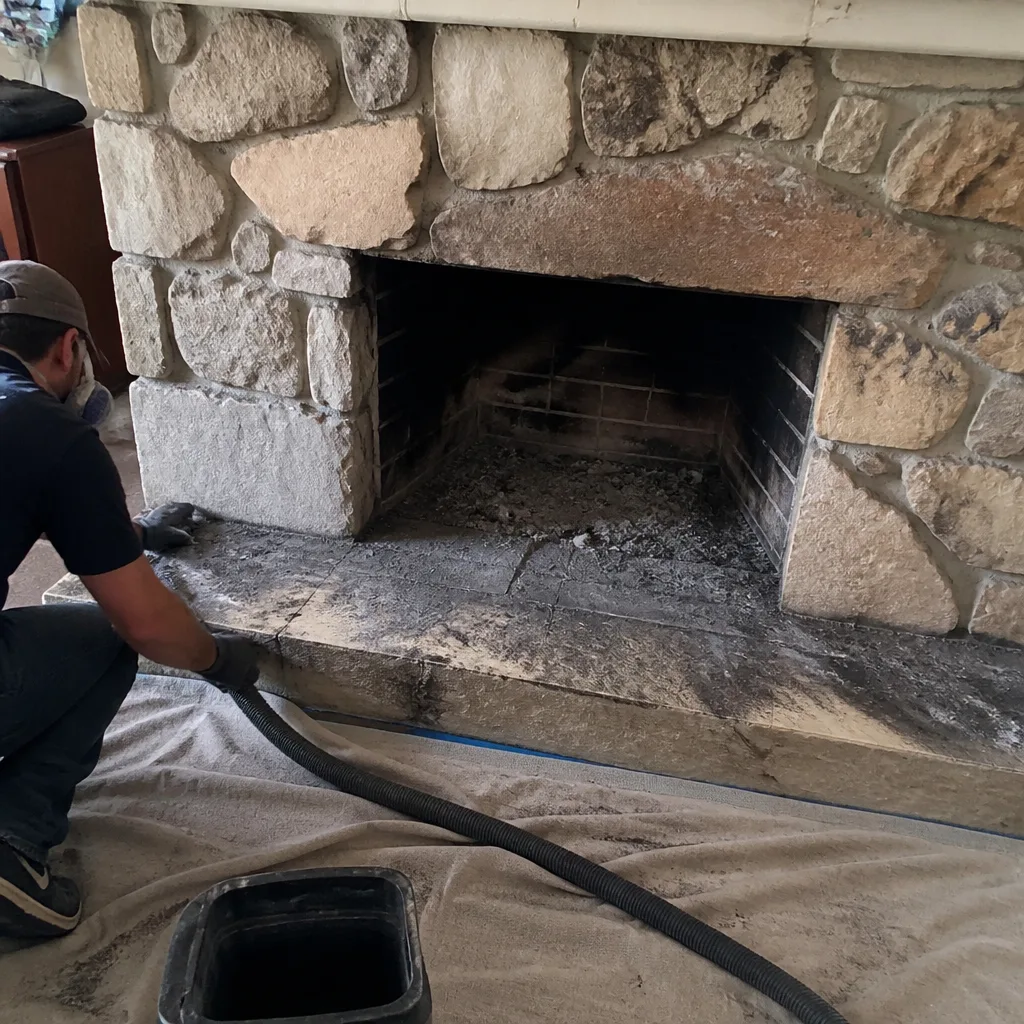
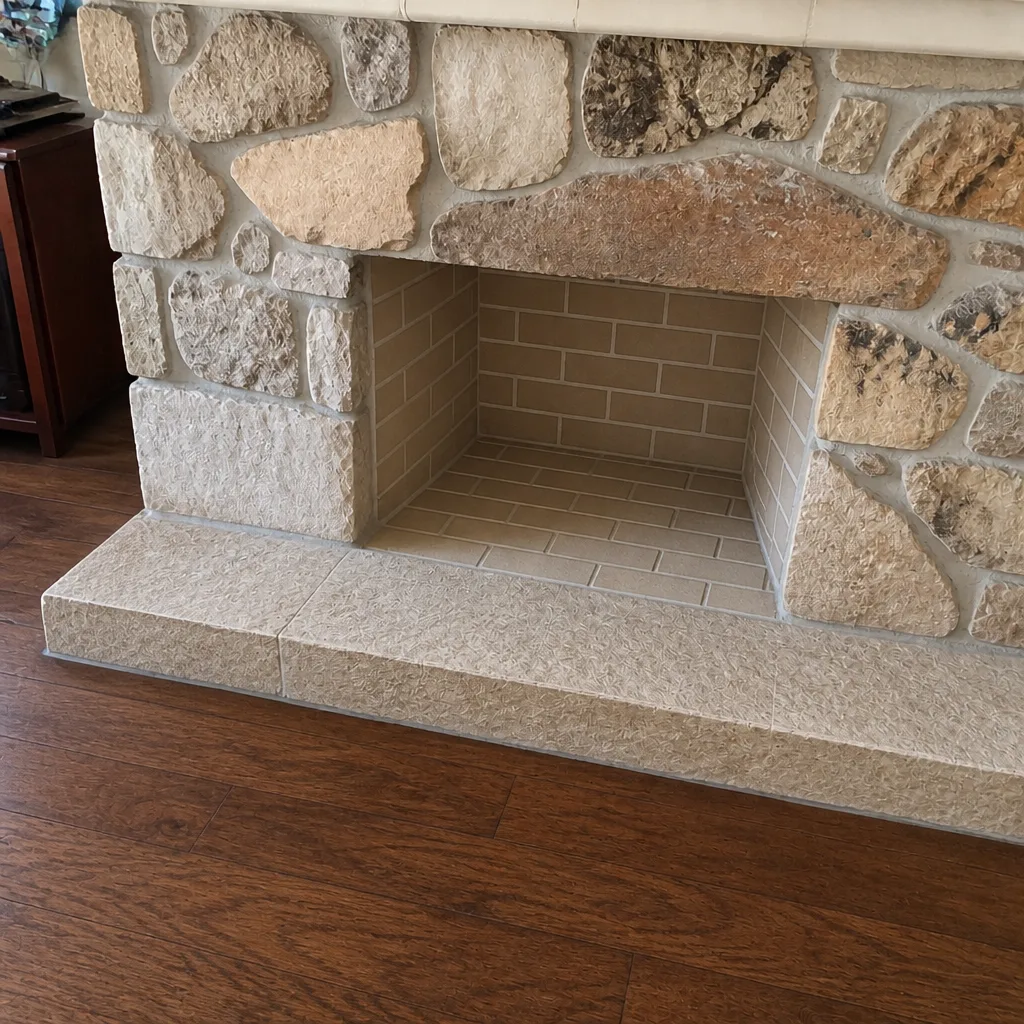
See the difference
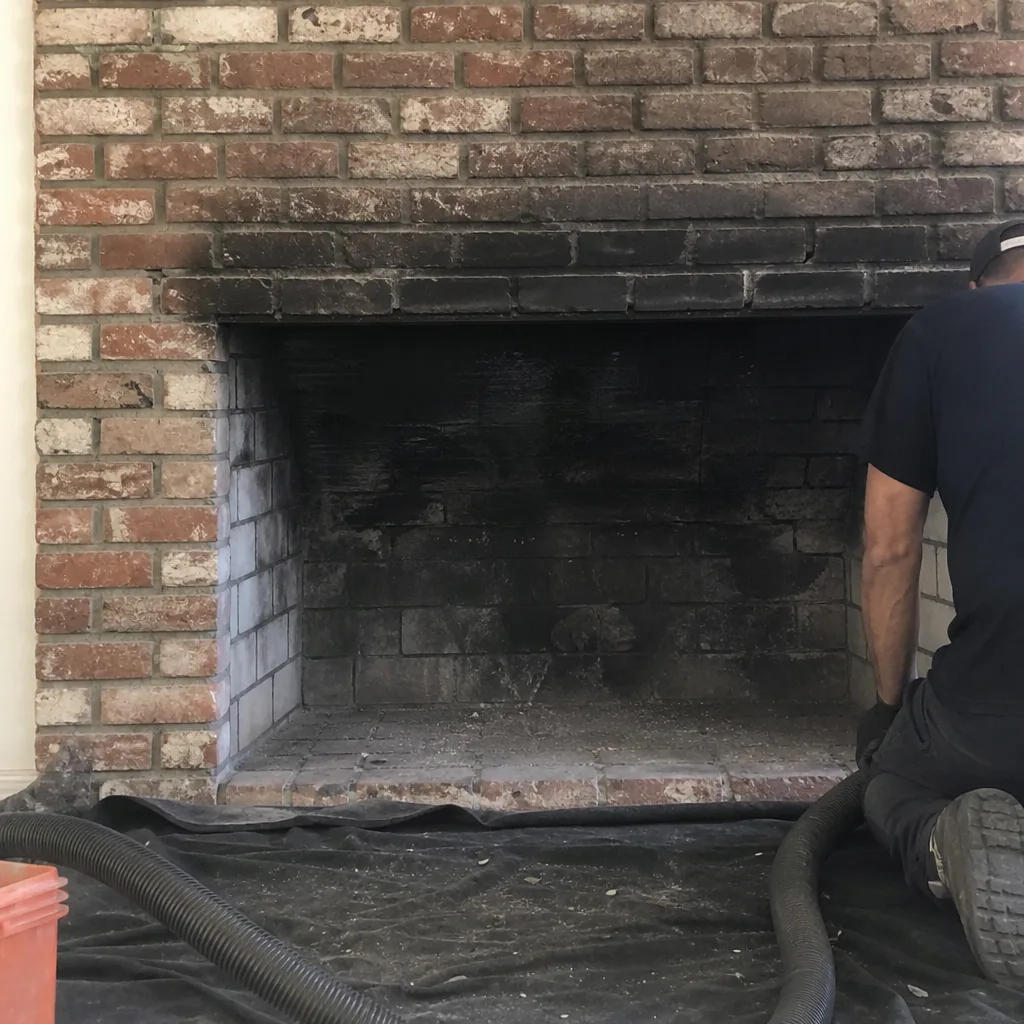 Before
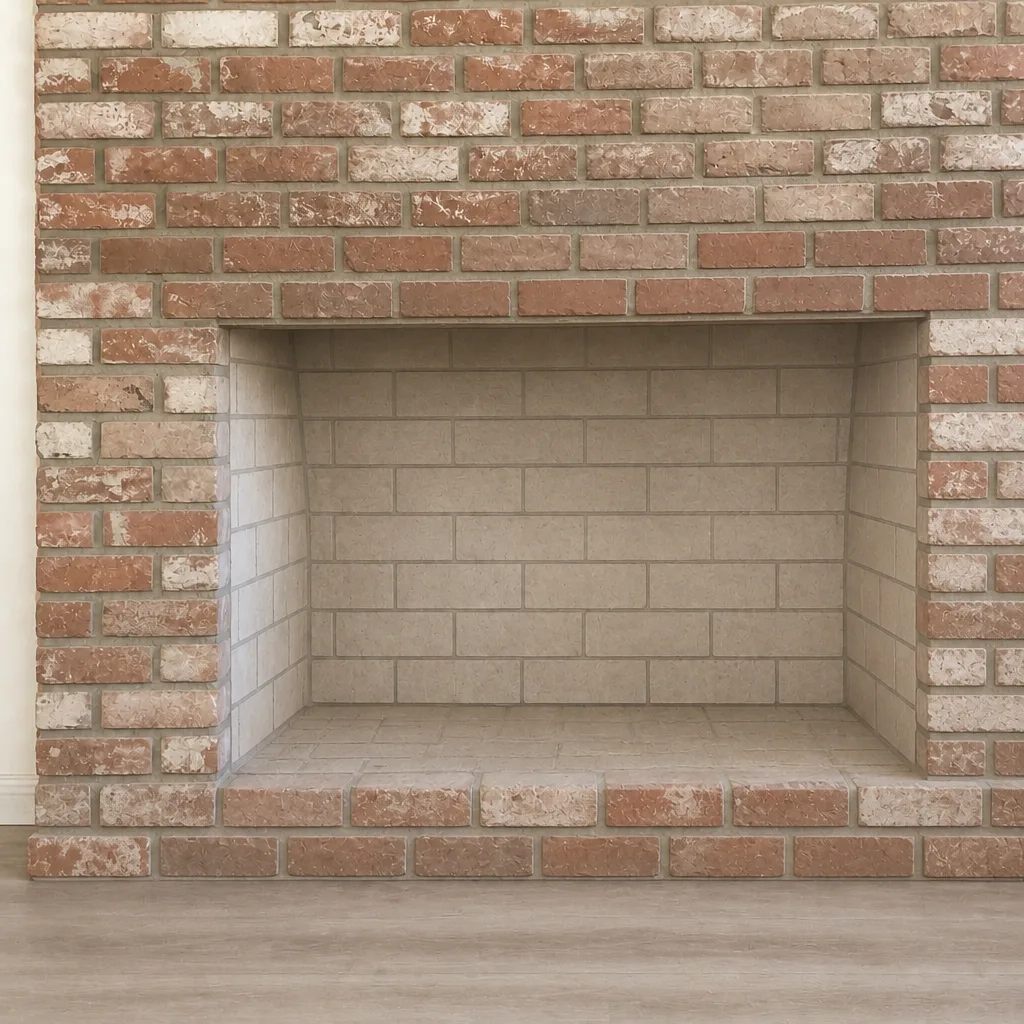 After
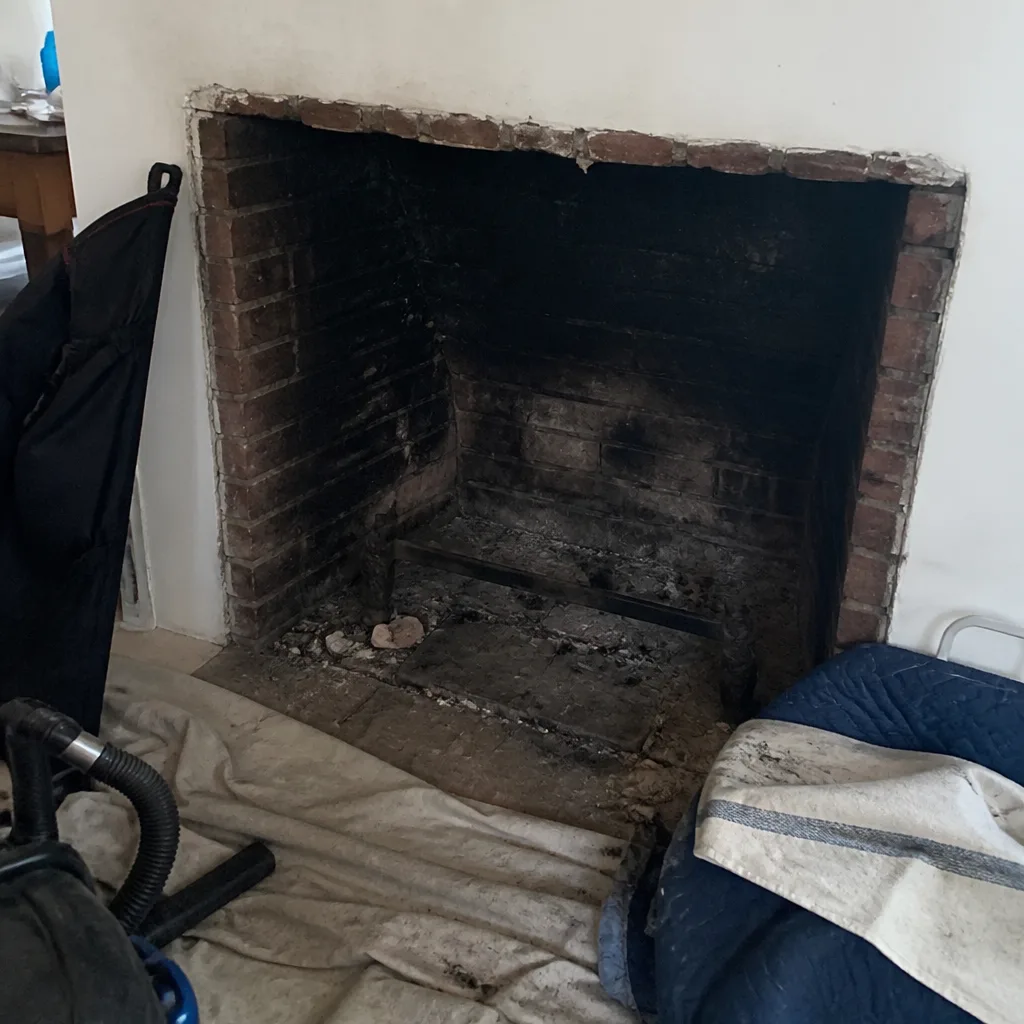 Before
 After
 Before
 After
Frequently Asked Questions
A standard chimney sweep with visual inspection in Hollywood Hills typically costs $180 to $280, with the final price depending on flue size and roof accessibility. A sweep with a Level 2 camera inspection typically runs $300 to $450. The free estimate confirms your exact price before any work begins – call (855) 731-2852 to schedule.
Annual cleaning is recommended if you burn wood regularly, and every two years is typical for occasional use. Hollywood Hills chimneys face unique moisture cycles and debris pressure that make the camera inspection just as important as the sweep itself, even when creosote buildup is light.
Yes. The Level 2 camera inspection is particularly important in this area because the Santa Ana wind cycle and marine-layer moisture create hidden issues – wind-driven creosote pockets and moisture cracks – that a standard visual sweep can’t detect. A hillside chimney should have a camera inspection every two to three years, not just during a real estate transaction.
The realistic risks include chimney fire, carbon monoxide backup, structural masonry damage from trapped moisture, and expensive liner repairs that could have been prevented with earlier detection. These are not extreme outlier scenarios – they are common outcomes documented in inspections across the Hollywood Hills area. Call (855) 731-2852 if you’re not sure when your last sweep happened.
That depends on what the camera shows. If the existing clay liner is intact but showing moisture penetration and surface cracking, HeatShield restoration can resurface the flue interior without a full reliner, preserving the structure and keeping the project cost contained. If the liner is fully compromised, a DuraFlex stainless reliner is the correct upgrade. We’ll show you the footage and explain which one your situation supports.
Yes. Homes tucked near vegetation collect fine combustible debris on the chimney cap and inside the flue at a much faster rate than homes on exposed ridges. Even if you don’t burn often, the debris alone can fill a flue in a couple of years and create a flash-fire risk. A properly fitted cap is essential, and a visual check of the cap should be part of every service call.
The Bottom Line
A chimney in Hollywood Hills doesn’t need the same maintenance plan as a chimney in Chicago. It needs a plan built around the actual conditions: wind-driven creosote, marine-layer moisture, canyon debris, and occasional-but-real fire season exposure. That means shorter intervals between camera inspections, professional-grade materials when repairs are made, and a sweep who understands what the camera is actually showing you. The most important decision you make isn’t which brush gets used – it’s whether you work with someone who shows you the evidence and lets you make the call with full information. A clean flue is a safe home, and in this environment, that’s a standard worth paying for.
Written by the team at Carlton Chimney Sweep, serving Hollywood Hills since 2015.